0551-68500918 


The Herbicides Market is changing pretty fast these days. Innovations are really shaking things up when it comes to weed control in agriculture. Looking ahead to 2026, a few key trends stand out — it’s clear that things are evolving. Big players like Bayer and Corteva are really pushing the envelope with new ideas and technologies.
We're seeing a growing interest in new formulations and smarter ways to deliver herbicides. Tech integration is making herbicides more efficient, which is pretty exciting. Plus, precision agriculture is becoming a total game-changer—farmers are now customizing treatments to give their crops the best shot at thriving. Honestly, it feels like this shift is also making farming more sustainable.
That said, it’s not all smooth sailing. Resistance is becoming a big issue—weed populations are getting tougher to control with the current products. And, regulatory rules are shifting too, which could impact what products are available to farmers. Companies really have to stay on their toes and adapt fast to keep up with the changing landscape. Looking at all these developments, it’s clear the industry has to keep evolving to meet future demands—and that’s pretty exciting to think about.

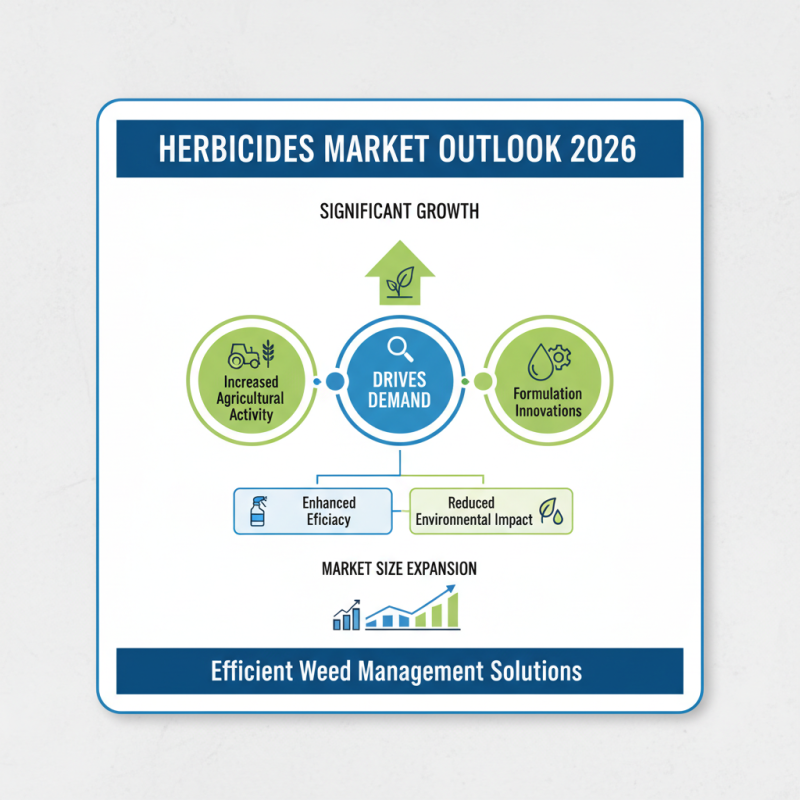
The herbicides market is poised for significant growth in 2026. Increased agricultural activity will drive demand. Innovations in formulation are crucial. These innovations aim to enhance efficacy while reducing environmental impact. The market size is expected to expand as farmers seek efficient solutions for weed management.
Tips: Monitor trends in sustainable herbicide options. Focus on products that align with eco-friendly practices.
As the competition intensifies, new entrants may shake up the market. Some may struggle to find their niche. Established players will likely invest in research and development. Gradually, this can lead to breakthroughs in effectiveness. However, the reliance on Chemical Herbicides raises questions about long-term sustainability.
Tips: Always assess the environmental impact of herbicide use. Engage with local agricultural communities for insights. They can offer practical advice on best practices.
By 2026, increased awareness of integrated pest management will shape usage. Many will explore alternatives to traditional herbicides. Adapting to these changes will be crucial for success in the evolving market. Keep an eye on regulatory developments as they can influence product availability.
The herbicides market in 2026 is evolving rapidly. Key trends show a shift towards more sustainable practices. According to recent industry reports, the global herbicide market is expected to reach $38 billion by 2026. This growth is driven by the need for effective weed management in agriculture.
Integrating advanced technologiesis becoming crucial. Companies are exploring biopesticides and precision agriculture. The increasing adoption of digital farming tools enhances the efficacy of Herbicide Applications. A report by the Agriculture Market Insights indicated that there is a significant rise in organic farming, with a20% increase in herbicide alternatives. However, challenges remain—finding the right balance between effectiveness and environmental impact.
The demand for innovative formulations is at an all-time high. Many stakeholders are prioritizing chemical safety and ecological balance. Market players are pressured to innovate constantly. Regrettably, not all innovations succeed in the market. Some products face scrutiny over performance and safety. With changing regulations and consumer preferences, the industry must remain adaptable.
The herbicide market is rapidly evolving. Innovations are emerging in formulations, both bio-based and synthetic. These new options aim to enhance crop yields while minimizing environmental impact.
Bio-based herbicides derive from natural sources. Examples include plant extracts and microbial agents. They work effectively while reducing chemical residues in soils. Farmers may benefit from improved soil health with these products. However, the effectiveness can vary based on conditions. Understanding how to best utilize these options is crucial.
Synthetic herbicides are also advancing. New formulations target specific weed species more accurately. These advancements lessen collateral damage to crops and beneficial plants. Still, there are concerns about resistance development. Balancing innovation with practical applications remains a challenge. Effective management strategies need to be in place to address these issues.
| Category | Innovation Type | Key Features | Market Growth Rate (2026) | Environmental Impact |
|---|---|---|---|---|
| Bio-Based Herbicides | Natural Formulations | Made from plant oils, biodegradable | 10% | Low toxicity |
| Synthetic Herbicides | Targeted Action | Highly effective with lower doses | 5% | Moderate toxicity |
| Integrated Solutions | Combination Products | Mix of bio-based and synthetic | 8% | Reduced environmental footprint |
| Precision Agriculture | Smart Application Technology | Data-driven application methods | 7% | Minimized chemical use |
Regulatory changes are reshaping the herbicide landscape. New guidelines aim to minimize environmental risks and enhance food safety. For instance, the European Union is tightening regulations on certain chemicals. These shifts impact both usage and development. In the U.S., the EPA has introduced stricter assessments for herbicides. This increases the burden on manufacturers, pushing them to innovate constantly.
Innovations are often driven by these regulations. Companies are exploring biopesticides and integrated pest management. Studies indicate that biopesticides can be 20-30% more effective in certain applications. This trend signifies a move towards more sustainable practices. However, transition challenges remain. Some farmers find it difficult to adapt to new protocols.
Tips: Always stay informed about local regulations. Engage with extension services for guidance. Consider integrating cover crops and crop rotation to enhance soil health. These practices can complement new herbicide strategies. Adaptation is key in today’s evolving market. Remember, change often leads to unexpected hurdles.
The herbicide market in 2026 is experiencing significant transformations, particularly due to advancements in application equipment. Modern sprayers now feature GPS technology, allowing for precise targeting of weeds. This specificity reduces the amount of herbicide needed and minimizes environmental impact. However, improper calibration can lead to uneven application, sometimes defeating the purpose of this technology.
New application methods are emerging, like drone spraying. Drones can access hard-to-reach areas, making the process efficient. They can cover large fields quickly and apply herbicides uniformly. Yet, the high initial cost and the need for skilled operators raise concerns. Are farmers ready to invest in this technology?
Additionally, smart sensors integrated into equipment can detect weed types and densities. This real-time data helps farmers decide the best way to apply herbicides. However, reliance on technology can lead to issues. If farmers overlook the need for manual scouting, they may miss out on important pest management insights. Balancing tech use with traditional methods remains a challenge.
The herbicides market is witnessing significant changes in its competitive landscape. Key players are constantly innovating to gain a larger market share. With advancements in technology, companies are developing new formulations that enhance effectiveness. These improvements often focus on targeting specific weeds without harming crops. This precision is valuable for farmers who seek efficiency.
Market dynamics are influenced by consumer preferences and regulatory pressures. Eco-friendly products are gaining ground as sustainability becomes a priority. However, the challenge lies in balancing efficacy and safety. Some companies struggle to meet these consumer demands. As a result, research and development budgets are increasing. This trend fuels competition.
Despite growth opportunities, not every strategy works. Market leaders may miss trends or underestimate smaller competitors. Observing their mistakes can offer valuable lessons. Some still rely on traditional methods, which can hinder innovation. As the market evolves, adaptability will be key for success.
Sustainability in herbicide production is becoming increasingly essential. Farmers and manufacturers are focusing on eco-friendly practices. This shift aims to reduce environmental impact and promote health. Natural alternatives to synthetic chemicals are gaining traction. They often require less application and can improve soil health.
Innovations include biopesticides and integrated pest management. These practices can minimize reliance on traditional herbicides. However, challenges exist. Many farmers are still hesitant to adopt new methods. They worry about cost and effectiveness. Education is needed to bridge this gap.
Herbicide usage is evolving. A growing number of farmers are exploring cover cropping techniques. These methods can suppress weeds naturally. They also enhance biodiversity. Yet, not all regions have the same access to resources. Some farmers struggle with limited knowledge and support. The path forward requires collaboration and commitment. It’s a journey toward a balanced approach in agriculture.
: The article discusses various topics, such as lifestyle, health, and personal development. It includes practical tips and guidelines.
Start small. Focus on one tip at a time. Gradually incorporate more as you feel comfortable.
Yes, individual experiences may vary. Some tips may not suit everyone. Always consider your personal situation first.
Track your progress using a journal. Note changes in your behavior and feelings. Regular reflection can help identify what works.
Absolutely. Feel free to tweak any suggestions. Personalization often enhances the effectiveness of the advice given.
It’s okay to face challenges. Reflect on what makes it difficult. You may need a different approach or more support.
Results vary. Some may notice changes quickly; others may need more time. Patience and consistency are key.
Different backgrounds and experiences impact effectiveness. Do not be discouraged if a method fails. Keep searching for what fits.
Consider local groups or online forums. Sharing experiences with others can provide motivation and new perspectives.
Take a break. Choose a few manageable tips to start with. It’s important to approach change at your own pace.
The 2026 Herbicides Market is poised for substantial growth, driven by evolving consumer preferences and increased agricultural demands. Key trends indicate a shift towards more sustainable and innovative herbicide formulations, with a notable rise in bio-based options alongside traditional synthetic products. These innovations are not only enhancing efficacy but also aligning with sustainability goals.
Additionally, regulatory changes are influencing herbicide usage and development, prompting companies to adapt their practices in compliance with new standards. Technological advancements in application equipment are further streamlining processes, making herbicide application more efficient. The competitive landscape remains dynamic, with major players actively adjusting their strategies to capture market share. Overall, the Herbicides Market is expected to continue evolving, reflecting the intersection of innovation, regulation, and sustainability.