Glyphosate has really become a hot topic in agriculture lately, sparking plenty of debate among farmers, environmentalists, and scientists alike. It’s one of the most commonly used herbicides out there, and folks tend to praise it for how well it helps control weeds and boosts crop yields. But on the flip side, a lot of people are also raising concerns about potential risks—things like health impacts on humans and effects on the environment. Dr. Jane Smith, an agricultural scientist at the International Institute of Crop Improvement, puts it pretty well when she says, “Using glyphosate in farming is a bit of a double-edged sword; sure, it helps increase productivity, but we’ve got to stay alert about what it might mean in the long run.”
There’s no denying that the benefits are pretty clear. Farmers often see higher yields and save time and money by reducing the need for manual labor. That’s a big plus, no doubt. But at the same time, there are some pretty serious concerns—like the rise of weeds that are resistant to glyphosate and the potential for harming biodiversity. As everyone involved in farming tries to balance these pros and cons, it’s really important to understand both sides if we want to make informed choices about using this herbicide. This article will break down the top ten advantages and risks associated with glyphosate, giving you a clear, straightforward look at what’s really going on so you can decide where you stand on all this.
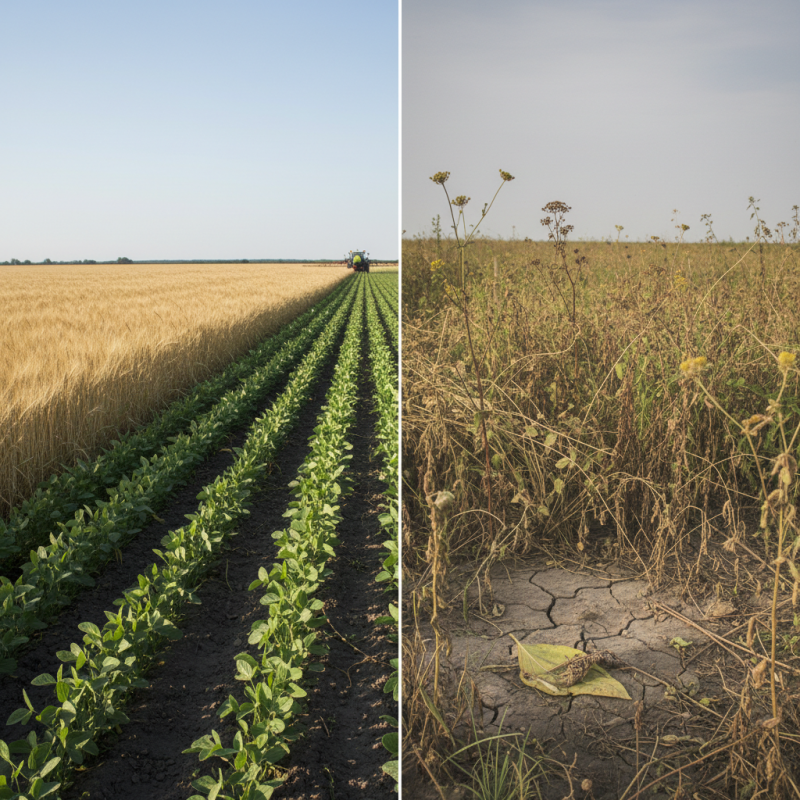
Understanding Glyphosate: A Brief Overview
Glyphosate is a widely used herbicide in agriculture, known for its effectiveness in controlling a broad spectrum of weeds. As a systemic herbicide, it gets absorbed by the plants and inhibits specific enzymes necessary for their growth, resulting in weed death while being less harmful to crops that are engineered to resist it. This intervention supports farmers by improving crop yields and facilitating no-till farming practices, which can enhance soil health and reduce soil erosion.
Tips for utilizing glyphosate effectively include ensuring the correct application timing, typically when weeds are small and actively growing for maximum efficacy. Additionally, it's important to rotate herbicides to prevent resistant weed populations and maintain effective control over time. Farmers should also consider integrating other weed management strategies to reduce reliance on glyphosate, promoting overall biodiversity in the ecosystem.
However, the use of glyphosate is not without its risks. Concerns about its potential health effects, environmental impact, and contribution to pesticide resistance have prompted ongoing debates within the agricultural community. Understanding these benefits and risks is crucial for farmers looking to make informed decisions about their weed management practices. Exploring alternative solutions and fostering sustainable agriculture can help mitigate these concerns while continuing to meet the demands of food production.
Top 10 Benefits and Risks of Glyphosate in Agriculture
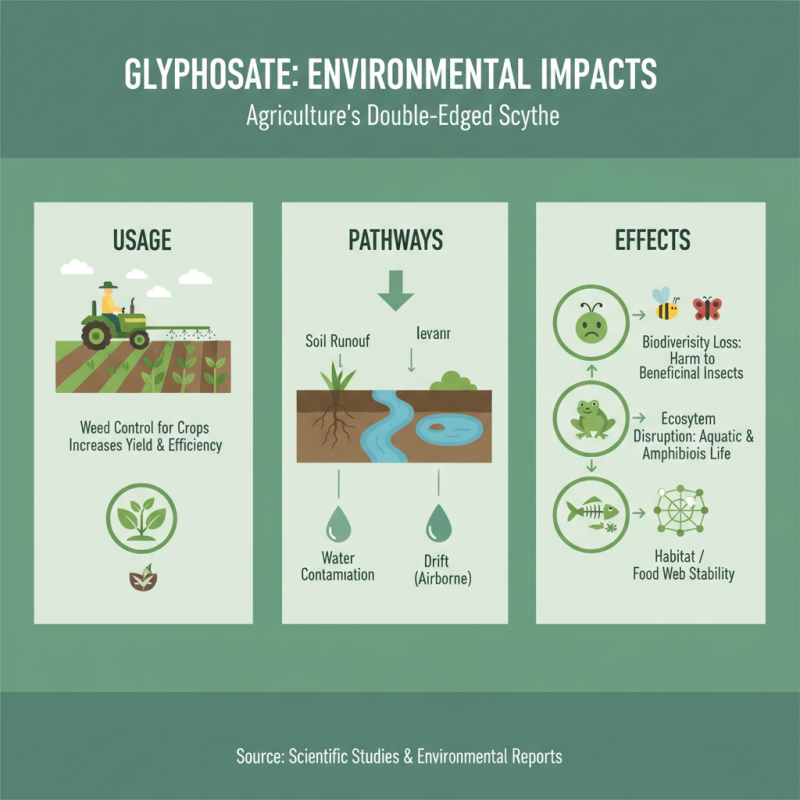
This chart illustrates the benefits and risks associated with Glyphosate Usage in agriculture, providing a visual representation of its impact.
The Role of Glyphosate in Modern Agriculture
Glyphosate has dramatically transformed modern agriculture, playing a crucial role in increasing crop yields and simplifying weed management for farmers. As a broad-spectrum herbicide, it effectively controls a wide range of weeds that compete with crops for nutrients, water, and sunlight. This is particularly important in the context of large-scale agriculture, where efficient weed management is necessary to maximize production. Farmers often find that glyphosate allows them to implement conservation tillage practices, improving soil health and reducing erosion while preserving moisture levels in the soil.
However, while glyphosate has its advantages, it is not without risks. The widespread use of glyphosate can lead to the development of herbicide-resistant weed species, posing significant challenges for farmers who may need to resort to more potent chemicals to control these superweeds. Additionally, concerns surrounding the potential health effects of glyphosate have sparked debate and led to calls for more research and regulation.
Tips: When utilizing glyphosate or any herbicide, it is essential to follow application guidelines carefully to minimize environmental impact. Rotate herbicides and integrate cultural weed management strategies to help reduce resistance. Keeping abreast of research and local regulations can also guide sustainable practices that ensure long-term agricultural viability.
Top Benefits of Glyphosate for Crop Production
Glyphosate, a widely used herbicide, has become an essential tool in modern agriculture, particularly for crop production. One of the main benefits of glyphosate is its effectiveness in controlling a broad spectrum of weeds, which can significantly reduce competition for nutrients, water, and light needed by crops. This efficient weed management allows farmers to achieve higher yields and better quality produce, contributing to improved food security.
Another advantage of glyphosate is its role in promoting conservation tillage practices. By enabling farmers to manage weeds without extensive soil disturbance, glyphosate helps maintain soil structure and health. This practice conserves moisture, supports soil microorganisms, and reduces erosion. As a result, farmers can cultivate their land more sustainably while optimizing their operational efficiency and reducing costs associated with labor and fuel. Overall, the integration of glyphosate into agricultural practices facilitates advancements in crop production while supporting environmentally responsible farming.
Top 10 Benefits and Risks of Glyphosate in Agriculture Explained - Top Benefits of Glyphosate for Crop Production
| Benefit/Risk | Description | Impact on Agriculture |
| Weed Control | Effective herbicide that eliminates a wide range of weeds. | Increases crop yields by reducing competition for resources. |
| Cost-Effectiveness | Lower application costs compared to other herbicides. | Improves profitability for farmers. |
| Soil Health | Reduction in soil disturbance due to fewer tillage operations. | Promotes soil structure and reduces erosion. |
| Environmental Benefits | Allows for more environmentally sustainable farming practices. | Encourages biodiversity and conservation. |
| Food Security | Increases crop production, aiding food supply. | Supports global food needs. |
| Resistant Weeds | Some weed species become resistant to glyphosate. | May require increased herbicide use or alternative methods. |
| Health Concerns | Debate over potential cancer risks associated with glyphosate. | Impacts public perception and regulatory scrutiny. |
| Ecosystem Impact | Effects on non-target species and biodiversity. | Potential long-term ecosystem changes. |
| Dependency | Overreliance on glyphosate may reduce diversity in weed management. | Can lead to reduced resilience against pests. |
| Regulatory Challenges | Increasing restrictions and regulations surrounding glyphosate use. | May lead to reduced availability for farmers. |
Environmental Impact of Glyphosate Usage
The environmental impact of glyphosate usage in agriculture is a topic of significant concern among scientists, farmers, and environmentalists alike. As one of the most widely used herbicides, glyphosate is employed to control weeds in various crops, which can lead to increased agricultural efficiency and crop yields. However, its extensive application raises critical questions about its effects on biodiversity and ecosystem health. Studies have shown that glyphosate can persist in soil and water, potentially affecting non-target organisms such as beneficial insects, amphibians, and aquatic life, disrupting food webs and habitat stability.
Moreover, the reliance on glyphosate can lead to herbicide resistance in weed populations, prompting the need for stronger and potentially more harmful chemicals to achieve desired results. This cycle not only threatens agricultural sustainability but also raises concerns about the long-term effects on soil health and the overall balance of local ecosystems. While glyphosate may offer short-term agricultural benefits, its environmental implications warrant careful consideration and a deeper investigation into alternative weed management strategies that safeguard biodiversity while still ensuring food security.
Health Risks Associated with Glyphosate Exposure
The health risks associated with glyphosate exposure have become a focal point in discussions about its widespread use in agriculture. Glyphosate, a broad-spectrum herbicide, is often applied to crops to control weeds, but concerns have arisen regarding its potential impact on human health. Studies have indicated a possible link between glyphosate exposure and various health issues, including cancer, particularly non-Hodgkin lymphoma. These findings have led to ongoing debates and investigations into the safety of glyphosate and its implications for farmworkers, consumers, and ecosystems.
In addition to cancer concerns, glyphosate exposure has been associated with other health risks, such as endocrine disruption and reproductive issues. Research suggests that glyphosate may interfere with hormonal functions, potentially leading to fertility challenges and developmental disorders. Furthermore, as glyphosate is widely used in many agricultural practices, the risk of chronic exposure for agricultural workers is significant and raises alarms about the long-term health implications of using this herbicide. Public health advocates emphasize the need for more rigorous safety assessments and regulatory measures to protect individuals at risk of exposure and to mitigate potential health effects.
Regulatory Perspectives on Glyphosate Use
Regulatory perspectives on glyphosate use have been a hotbed of discussion due to its widespread application in agriculture. A comprehensive review by the European Food Safety Authority (EFSA) in 2015 concluded that glyphosate is unlikely to pose a carcinogenic hazard to humans, which paved the way for its continued use in various countries. However, this conclusion has not alleviated public concerns, leading to a patchwork of regulations worldwide. For instance, some regions within the European Union have chosen to restrict or phase out glyphosate use, while others maintain a more lenient approach, highlighting the complex balance regulators must navigate between agricultural efficacy and public health.
Additionally, the International Agency for Research on Cancer (IARC) classified glyphosate as “probably carcinogenic in humans” in 2015, which has triggered various legal and political responses globally. This dichotomy in assessments has underscored the importance of ongoing research and consistent regulatory frameworks. Recent analyses from industry reports indicate that glyphosate use contributes to increased crop yields and ease of weed management, which are critical for food security.
Nonetheless, as studies continue to emerge, regulators face the challenge of ensuring that agricultural practices align with both safety standards and sustainability goals, reflecting the intricate relationship between agricultural advancement and consumer safety.
Alternatives to Glyphosate in Sustainable Farming
The shift towards sustainable farming practices has sparked interest in alternatives to glyphosate, a widely used herbicide. Farmers are increasingly exploring solutions that promote soil health and biodiversity while minimizing chemical inputs. One effective alternative is the use of cover crops, which are planted during off-seasons to protect the soil from erosion, suppress weeds, and enhance organic matter. These crops can be terminated before the main planting season, thus reducing the need for herbicides.
Another promising approach is integrated weed management (IWM), which employs a combination of mechanical, cultural, and biological methods to control weeds. Practices such as crop rotation, mulching, and the use of organic herbicidescan effectively reduce weed pressure while fostering a more resilient farming ecosystem. By adopting these alternatives, farmers not only decrease their reliance on Chemical Herbicides but also contribute to a moresustainable agricultural landscape that benefits both current and future generations.
FAQS
: Glyphosate plays a crucial role in modern agriculture by controlling a wide range of weeds, which helps increase crop yields and simplifies weed management for farmers.
Glyphosate allows farmers to implement conservation tillage practices, which improve soil health, reduce erosion, and help retain moisture levels in the soil.
The widespread use of glyphosate can lead to herbicide-resistant weed species, requiring farmers to use more potent chemicals. There are also concerns about potential health effects, including cancer and other health risks.
Studies have indicated possible links between glyphosate exposure and health issues such as cancer (especially non-Hodgkin lymphoma), endocrine disruption, and reproductive problems.
Concerns about glyphosate's safety stem from its potential health impacts on farmworkers, consumers, and ecosystems, prompting calls for further research and regulation.
To reduce resistance and environmental impact, it is recommended to follow application guidelines carefully, rotate herbicides, and integrate cultural weed management strategies.
There is a significant risk of chronic exposure for agricultural workers due to the extensive use of glyphosate, which raises alarms about potential long-term health implications and the need for rigorous safety assessments.
Public health advocates emphasize the need for more rigorous safety assessments and regulatory measures to protect individuals at risk of glyphosate exposure and mitigate its potential health effects.
Conclusion
Glyphosate in agriculture has become a cornerstone of modern farming practices due to its effectiveness as a herbicide. This article explores the multifaceted role of glyphosate, highlighting its numerous benefits, such as enhanced crop yield and reduced labor costs, which have made it invaluable for farmers seeking to maximize productivity. However, the use of glyphosate is not without controversy. Concerns regarding its environmental impact and potential health risks for humans and wildlife have led to increased scrutiny and regulatory measures.
In addition to discussing the regulatory landscape surrounding glyphosate, the article also examines sustainable alternatives that could mitigate the associated risks while maintaining agricultural productivity. As the debate over glyphosate's use continues, understanding its benefits and risks is crucial for informed decision-making in agricultural practices.

 0551-68500918
  Contact Email
 Contact WhatsApp