Leave Your Message
0%

Hey, have you noticed how much the agricultural scene is changing in 2026? One of the biggest shifts is happening thanks to Bio Pesticides. Unlike those old-school chemical ones, these are made from natural stuff, which is pretty cool. Farmers are finally realizing how much these products can do—promoting sustainable farming and helping cut down on environmental harm. It’s a win-win, really.

Companies like EcoSmart and GreenShield are really pushing the envelope here. They’re coming up with new Bio Pesticides that can protect crops without killing off the good bugs or messing with biodiversity—that’s a big deal. Plus, they’ve proven to be effective against pests but are way less toxic. Because of all that, more farmers are starting to see these options as part of their pest management plans.

That said, it’s not all smooth sailing. Not every farmer is fully in the loop about the real benefits of Bio Pesticides And Bio Fertilizers. Spreading awareness and education is super important if we want more people on board. We need to figure out how to communicate these advantages better, you know? Moving toward sustainable agriculture isn’t without its hurdles, but it’s definitely a journey worth taking—lots of opportunities along the way.

What are the Benefits of Bio Pesticides in 2026?

Benefits of Bio Pesticides in 2026: An Overview of Eco-Friendly Alternatives

In 2026, the adoption of Bio Pesticides is playing a crucial role in sustainable agriculture. These eco-friendly alternatives reduce the reliance on synthetic chemicals. Farmers increasingly prefer bio pesticides. They offer safer options for pest control while protecting beneficial insects. This practice fosters biodiversity in farming systems.

Bio pesticides come from natural sources. They can include bacteria, fungi, and plant extracts. These products often have specific modes of action. This specificity minimizes harm to non-target species. However, challenges remain. Some farmers may lack sufficient information about proper application rates. Others might hesitate to transition from conventional methods.

The environmental impact of bio pesticides is generally positive. They contribute to healthier soil and water systems. Still, effectiveness can vary based on environmental conditions. In some cases, pests develop resistance. Continuous research and education are needed. Understanding the balance between effectiveness and sustainability is vital. Bio pesticides show promise, but they are only part of the solution.

Benefits of Bio Pesticides in 2026

This chart illustrates the various benefits of bio pesticides as potential eco-friendly alternatives in 2026. Each bar represents the significance of a specific benefit, showcasing how bio pesticides can contribute to reduced chemical use, environmental preservation, enhancement of biodiversity, improvement of soil health, and ensuring consumer safety.

Economic Advantages: How Bio Pesticides Lower Crop Production Costs

In 2026, bio pesticides offer significant economic advantages for farmers. These natural alternatives can lower crop production costs effectively. Research indicates that farmers who use bio pesticides can reduce their pesticide expenditures by up to 30%. This reduction enhances profit margins and encourages sustainable agriculture.

A study in arable farming demonstrated that shifting to bio pesticides resulted in a 25%decrease in labor costs associated with traditional Pesticide Application. Many farmers are adopting "Fighter Bio Pesticides" due to their efficiency in pest management. This trend is promising, yet challenges remain. Some farmers have reported inconsistent results, leading to skepticism about their reliability.

Moreover, initial investment in these products may be higher. Therefore, education and awareness are crucial for farmers. Understanding the long-term savings can support this transition. In the future, we may need more comprehensive studies to validate these findings. A deeper exploration of farmer experiences will help enhance the adoption process as we move toward eco-friendly practices.

Impact on Human Health: Reduced Chemical Residue in Food Products

What are the Benefits of Bio Pesticides in 2026?

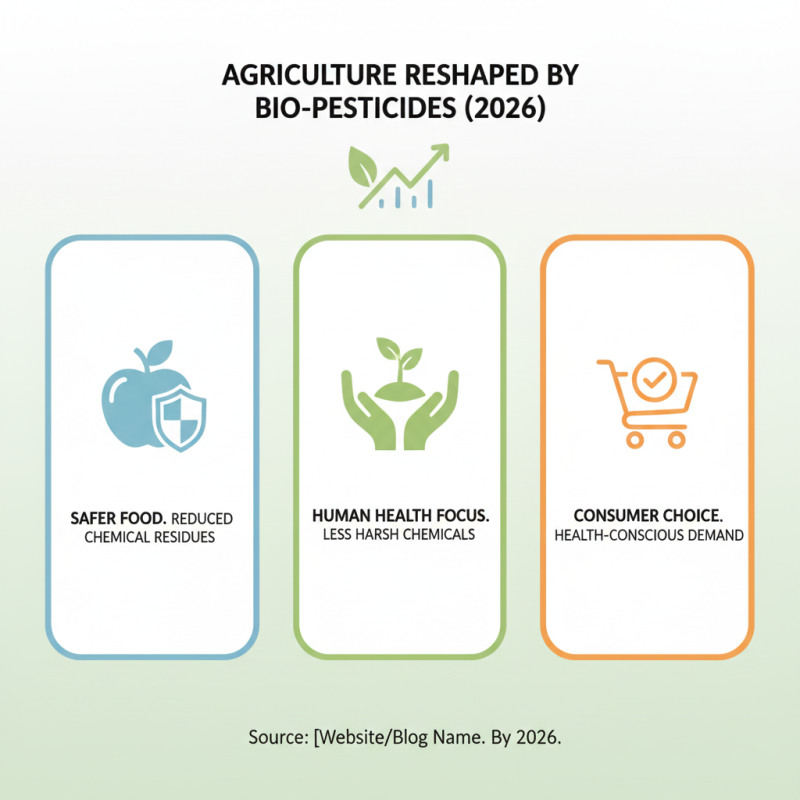
The use of bio pesticides is expected to reshape agriculture by 2026. One of the key advantages is their impact on human health. Bio pesticides significantly reduce chemical residues in food products. This can lead to safer foods on our plates. Consumers today are more health-conscious. They seek products free from harsh chemicals.

There are still challenges ahead. Not all bio pesticides offer the same level of effectiveness. Some may not control pests as well as their synthetic counterparts. This raises questions about the trade-offs between efficacy and safety. Additionally, the regulatory landscape for bio pesticides is evolving. Confusion regarding labeling might affect consumer trust.

Despite these concerns, the overall direction is promising. Healthier food options could become more accessible. Various crops could benefit from bio pest management. The landscape of farming may transform, supporting both health and sustainability. As the industry grows, we must stay vigilant. Continuous improvement and research are essential for long-term success.

Enhancing Biodiversity: Role of Bio Pesticides in Ecosystem Protection

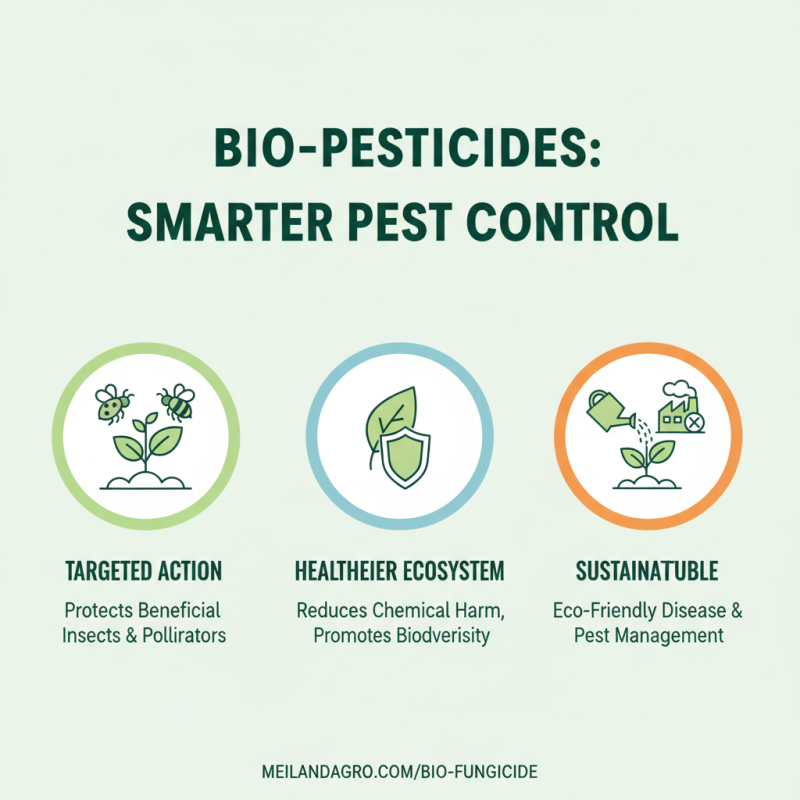
Bio pesticides play a crucial role in enhancing biodiversity. They offer a more natural alternative to chemical pesticides. Agriculture Bio Pesticides can help protect beneficial insects. For instance, they often target specific pests without harming pollinators. This targeted action supports the balance of ecosystems. A balanced ecosystem leads to healthier crops and soil.

Using bio pesticides can also stimulate wildlife diversity. They create a safer environment for various species. Healthy populations of insects and other wildlife contribute to ecosystem resilience. However, reliance solely on bio pesticides may not be the answer. There can be challenges in their effectiveness and integration into existing practices. Understanding these challenges is vital for sustainable agriculture.

Farmers need to embrace bio pesticides carefully. They should consider integrating them into an overall pest management plan. This approach enhances agricultural practices and environmental health. Monitoring and adjusting strategies based on effectiveness is essential. Reflecting on potential obstacles can lead to improved outcomes in the long run.

Compliance with Regulations: Meeting Global Standards for Sustainable Farming

Bio pesticides are gaining traction in sustainable agriculture as we move toward 2026. Farmers increasingly seek compliant solutions that adhere to global regulations. These alternatives to chemical pesticides offer a variety of benefits. They promote ecological balance while managing pests effectively. Farmers can utilize natural substances without risking human or environmental health.

However, compliance with regulations can be challenging. Not all bio pesticides are equally regulated across different regions. Understanding local guidelines is crucial. Some farmers may struggle to achieve compliance due to lack of information. It's vital to stay updated on evolving standards. Some products may not meet the newest criteria, leading to legal risks.

Despite these challenges, the shift towards bio pesticides is encouraging. Sustainable farming practices can contribute to biodiversity. Farmers can build healthier ecosystems by choosing the right options. This requires education and effort. It’s not always easy to navigate the complexities of legal compliance. Continuous learning and adaptation are necessary. Farmers must reflect on their practices to ensure they remain within the bounds of regulations while achieving their agricultural goals.

What are the Benefits of Bio Pesticides in 2026? - Compliance with Regulations: Meeting Global Standards for Sustainable Farming

Benefit Description Global Standard Compliance Sustainability Impact
Reduced Chemical Residue Bio pesticides minimize harmful chemical residues on crops, promoting food safety. Meets EU and US food safety standards. Contributes to healthier ecosystems.
Enhanced Biodiversity Supports biodiversity by targeting specific pests without harming beneficial insects. Aligns with global biodiversity conservation goals. Promotes a balanced agricultural ecosystem.
Lower Environmental Impact Reduced environmental pollutants compared to synthetic pesticides. Conforms to international environmental protection regulations. Supports sustainable farming practices.
Resistance Management Helps prevent pest resistance to chemical controls, ensuring long-term effectiveness. Aligns with IPM guidelines worldwide. Encourages sustainable pest management strategies.
Public Perception Increases consumer confidence in organic and natural farming products. Supports marketing under organic certifications. Boosts demand for sustainable agricultural products.

Market Growth: The Rising Demand for Bio Pesticides in Agricultural Sectors

The agricultural sector is witnessing a notable shift towards bio pesticides by 2026. Increasing awareness of environmental sustainability drives demand. According to a recent market report, the bio pesticide market is projected to reach $4 billion by 2026. This growth reflects farmers' desire for safer alternatives to chemical pesticides.

The rise in the adoption of bio pesticides is evident in different crops. For instance, organic farming practices continue to expand. Reports indicate that about 10% of global farmland is now managed organically. Additionally, the efficiency of bio pesticides in pest control is improving. Farmers increasingly recognize that these products can provide effective protection against various pests while reducing potential harm to beneficial insects.

Despite these positive trends, challenges remain. Many bio pesticides' efficacy can vary, leading to inconsistent results for farmers. Additionally, a lack of comprehensive regulations leads to confusion in the market. Some producers may not meet effective labeling standards. Ultimately, while the benefits of bio pesticides are clear, further refinement and regulation are necessary for optimal use.

Effectiveness Against Pests: Efficacy Comparison with Traditional Pesticides

What are the Benefits of Bio Pesticides in 2026?

Bio pesticides are gaining attention for their unique advantages over traditional pesticides. One notable benefit is their ability to target specific pests without harming beneficial insects. This specificity leads to a healthier ecosystem. For example, Bio Fungicides can effectively combat fungal diseases while leaving pollinators unharmed. This is crucial for sustainable agriculture.

While bio pesticides are effective, their performance can vary. Some farmers report lower immediate impact compared to traditional methods. It may take longer for bio fungicides to show results. However, their long-term benefits often outweigh these initial challenges. Farmers should consider integrating bio pesticides into their routines.

Here are a few tips: monitor your crop's health closely. Use a mix of bio and traditional methods if needed. Lastly, be patient. Adjusting your strategy over time can lead to better outcomes. The switch requires awareness and adaptation, but the reward is a more sustainable farming practice.

FAQS

: What is the main purpose of the content?

: The content aims to inform readers without promoting brands or illegal activities.

Who is the target audience for this information?

The target audience includes individuals seeking knowledge on various topics.

How can I find reliable information?

Look for credible sources and cross-check facts.

Are there any topics to avoid?

Yes, avoid discussions of brands and illegal items.

What should I do if I find inconsistent information?

Reflect on the source's credibility and seek additional perspectives.

Can personal opinions be included in discussions?

Personal opinions can be shared, but they should be based on facts.

How often should content be updated?

Regular updates are recommended to ensure accuracy.

Is it important to cite sources?

Citing sources enhances credibility and trustworthiness of the information.

How can I ensure my writing is concise?

Focus on clear, direct language and avoid unnecessary details.

What if I make a mistake in my writing?

Mistakes are learning opportunities; review and improve your skills.

Conclusion

In 2026, bio pesticides are gaining recognition as eco-friendly alternatives to conventional chemical pesticides, offering numerous benefits for sustainable agriculture. These natural solutions not only help reduce crop production costs but also minimize chemical residues in food products, promoting healthier options for consumers. By enhancing biodiversity and protecting ecosystems, bio pesticides play a crucial role in maintaining environmental balance.

Furthermore, adherence to global regulations regarding sustainable farming practices positions bio pesticides as compliant solutions for modern agricultural demands. With a rising market growth fueled by increasing consumer awareness and demand for safer agricultural practices, the effectiveness of bio pesticides in combating pests is proving competitive when compared to traditional pesticides. As such, bio pesticides represent a promising shift towards a more sustainable and health-conscious agricultural future.


Lila

Lila

Lila is a dedicated marketing professional at Innovation Meiland (Hefei) Co., LTD., where her expertise in pesticide product development shines through in every aspect of her work. With a strong commitment to researching and developing new pesticide products, formulations, and processes, Lila plays......
Previous Navigating Global Trade Regulations for Pesticides Solutions a Step by Step Guide