The agriculture world is constantly changing, and one of the exciting new directions is really in Bio Pesticides. These natural options are catching on more and more, especially since they’re seen as safer compared to traditional chemical pesticides. Did you know that, according to a recent report, the global market for bio pesticides might hit around $8.2 billion by 2025? That’s pretty impressive growth, and honestly, it shows how much people are craving more sustainable farming methods.
Bio pesticides, which come from natural substances, offer a gentler way to protect crops. Plus, they help cut down on chemical residues in our food — a big deal for many consumers these days. In fact, some studies suggest that switching to bio pesticides can reduce pest damage in crops by as much as 30%. That’s a win for farmers and the environment because it supports healthier biodiversity too.
Of course, it’s not all smooth sailing. Plenty of farmers still depend heavily on old-school pesticides, and changing those habits takes time. It’s really important to educate folks about the benefits of Bio Pesticides And Bio Fertilizers — you can check out more info about thathere. Transitioning to these greener options isn’t just about promising results; it involves some investment, patience, and testing in different climates and crops to really understand how well they work. Moving toward more sustainable farming is definitely a journey that needs ongoing reflection, learning, and adaptation — it’s a big shift, but totally worth it in the end.

What Are Bio Pesticides?
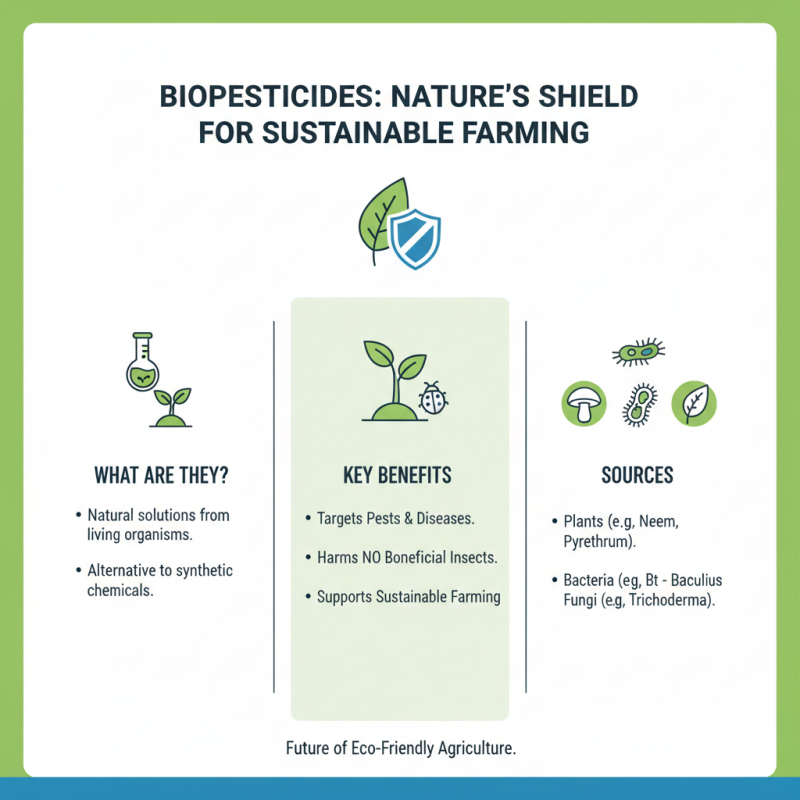
Bio pesticides are natural solutions created from living organisms. They offer an alternative to synthetic chemicals. These products target pests and diseases without harming beneficial insects. Using bio pesticides can support sustainable farming practices. They can come from plants, bacteria, or fungi.
One key advantage is their specificity. Bio pesticides often affect only the intended pests. This helps protect the ecosystem. However, their effectiveness can vary based on conditions. Farmers should test small areas first. They should monitor results closely. This helps in understanding how well the bio pesticide works.
**Tips:** Always read instructions carefully. This ensures correct application and safety. Consider the timing of application. Many bio pesticides work best under specific conditions. Remember, patience is essential. Bio pesticides may take longer to show results compared to chemical options. Keep observing your crops for best outcomes.
Types of Bio Pesticides: An Overview
Bio Pesticides are gaining traction as a sustainable alternative to chemical pesticides. They come from natural materials such as plants, bacteria, and minerals. This ensures minimal impact on the environment. According to a report by the Biopesticide Industry Alliance, the global market for bio pesticides is expected to reach $6.8 billion by 2025. The increasing demand for organic farming is driving this growth.
There are several types of bio pesticides. Some are derived from microorganisms, like bacteria or fungi. These bio pesticides target specific pests without harming beneficial insects. Others are plant-based, utilizing compounds from plants to repel or inhibit pests. For instance, neem oil is known for its effectiveness. However, effectiveness can vary based on application methods and conditions.
Despite their benefits, bio pesticides have limitations. They might require more frequent applications than traditional options. Environmental factors can affect their persistence. A study in the Journal of Agricultural Sciences noted that while bio pesticides reduce pest populations, they do not eliminate them entirely. Users must take a thoughtful approach to integrate bio pesticides into pest management systems.
Types of Bio Pesticides and Their Effectiveness
This chart illustrates the effectiveness of different types of bio pesticides based on research data. The effectiveness is measured in terms of percentage of pest control achieved.
Mechanisms of Action: How Bio Pesticides Work
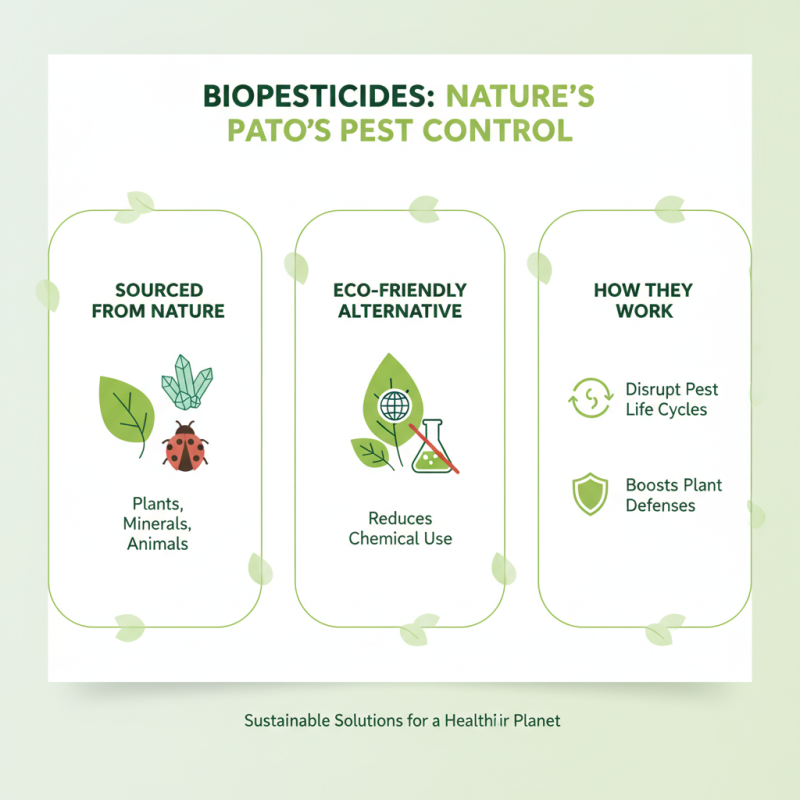
Bio pesticides are derived from natural materials, including plants, minerals, and animals. They present an eco-friendly alternative to chemical pesticides. Their mechanisms of action vary, but they primarily disrupt pest life cycles or enhance natural plant defenses.
One common type of bio pesticide is the use of beneficial microorganisms. These microbes can colonize plant surfaces or roots, outcompeting harmful pathogens. For instance, Trichoderma species can effectively target fungal pathogens. According to the Biopesticides Industry Alliance, the market for bio pesticides is projected to reach $5 billion by 2025, highlighting the growing acceptance of these products.
Tips: Always test a small area before widespread application. Monitor plant health and pest populations closely. Fine-tuning application methods can significantly improve effectiveness.
Another mechanism involves using natural substances that affect insect behavior. For example, certain plant extracts can repel pests or disrupt their mating patterns. However, results may vary depending on environmental conditions. This inconsistency can require farmers to explore multiple bio pesticide options. Awareness of local ecosystems is crucial for effective use.
Using bio pesticides requires patience and observation. Not all bio pesticides provide immediate results. Understanding their interactions with specific pests is vital for success. Regularly review data and adapt strategies based on what works best.
Benefits of Using Bio Pesticides in Agriculture
Bio pesticides are gaining traction in modern agriculture due to their numerous benefits. They are derived from natural materials. This makes them safer for the environment. According to a recent report from the Global Bio Pesticides Market, the demand is projected to reach $8.5 billion by 2025. This indicates a shift towards sustainable practices.
One significant advantage of bio pesticides is their effectiveness against pests. They target specific pests without harming beneficial insects. Studies show that using bio pesticides can increase crop yield by over 20%. Farmers are finding that these products not only protect crops but also improve soil health. Cleaner soil means healthier plants.
However, challenges exist. The inconsistent effectiveness of bio pesticides can be frustrating. Not all farmers have access to the information they need for proper application. Training and education are vital for maximizing benefits. Additionally, crop diversity can sometimes lead to unexpected pest resistance. This emphasizes the need for ongoing research. Innovations like Fighter Bio Pesticides aim to address these issues by improving efficacy and adaptability in diverse farming systems.
Comparing Bio Pesticides to Chemical Pesticides
Bio pesticides offer a natural alternative to traditional chemical pesticides in agriculture. They derive from natural materials, like plants and microorganisms. These bio pesticides target specific pests, reducing the risk to beneficial insects. Unlike chemical pesticides, they often break down more quickly in the environment. This can lead to fewer long-term residues in soil and water.
Chemical pesticides, on the other hand, tend to have a broader spectrum of activity. They can be effective but pose risks such as resistance buildup in pests. Their impact on non-target organisms raises concerns. Some farmers prefer them for their immediate results. However, reliance on these substances can lead to ecological imbalances.
In agriculture, bio pesticides might be less effective under certain conditions, like high pest pressure. Not all bio pesticides are equally potent. This variability can be frustrating for farmers. They must weigh options and consider crop needs. Finding the right balance between bio and chemical approaches can be a complex decision.
Application Methods for Bio Pesticides
Bio pesticides offer a natural solution for pest control. They harness the power of microorganisms and plant extracts. Using them effectively requires understanding their application methods.
One common method is foliar spraying. This involves applying bio pesticides directly to the leaves of plants. It is crucial to do this in the early morning or late afternoon. This timing minimizes evaporation and allows for better absorption. Additionally, thorough coverage is essential. Missed spots can lead to pest resistance over time.
Soil application is another approach. Bio pesticides can be mixed into the soil. This helps target soil-dwelling pests. However, the soil's moisture level matters. Too dry or too wet can reduce effectiveness. Regular monitoring is necessary. Bio pesticides require specific environmental conditions to thrive. Experimenting with application rates can also lead to different results. Finding the right balance is important for successful pest management.
Challenges and Limitations of Bio Pesticides
Bio pesticides have gained popularity as eco-friendly alternatives to chemical pesticides. However, they are not without challenges. One significant limitation is their efficacy, which can vary widely. A recent report indicates that less than 60% of bio pesticide applications achieve desired pest control results. This inconsistency raises concerns for farmers relying on these products for crop protection.
Environmental factors also play a crucial role in the effectiveness of bio pesticides. Temperature, humidity, and soil conditions can affect their performance. For instance, some Bio Fungicides require specific conditions to thrive. If these conditions are not met, the risk of crop loss increases. Data shows that nearly 40% of failed bio pesticide applications result from unfavorable environmental situations.
Tips: Choose bio pesticides suited for your local climate. Research their requirements before use. Adjust application timings based on weather forecasts to enhance effectiveness.
Another limitation is the lack of awareness among farmers about the potential of bio pesticides. Many are accustomed to traditional methods and may hesitate to adopt new technologies. Education and training can bridge this gap. A report from the organic farming sector highlights that 70% of farmers using bio pesticides reported improved yield after proper guidance. However, the transition period requires patience and understanding.
FAQS
: You can find a variety of items. Categories include home goods, electronics, clothing, and more.
Select your desired items. Then, follow the checkout process to complete your order. It's simple but requires attention.
Modifying your order might be possible. However, timing is crucial. Quickly contact customer support for assistance.
Inspect your items upon arrival. If damaged, document it. Reach out to customer support for a solution.
Returns are usually accepted. Check the return policy carefully. Make sure to act within the specified timeframe.
Shipping methods vary. Options may include standard, expedited, or same-day delivery. Costs depend on the selected method.
Creating an account may offer benefits. However, you can also shop as a guest. Consider your preferences.
Tracking information is provided after dispatch. Use the link sent to your email. Keeping track might ease your worries.
Use the "Forgot Password" option. Follow the prompts to reset it. It should not take long to recover access.
Yes, feel free to ask any questions. Customer support can provide more details. Communication helps ensure satisfaction.
Conclusion
Bio pesticides are natural substances derived from organisms such as plants, bacteria, and fungi, used to control pests and diseases in agriculture. They are categorized into several types, including microorganisms, plant extracts, and biochemical pesticides, each with unique properties and applications. The mechanisms of action for bio pesticides can vary; they may disrupt the life cycle of pests, enhance plant resistance, or introduce beneficial microorganisms that outcompete harmful ones.
The benefits of using bio pesticides in agriculture include lower toxicity to non-target organisms, minimal environmental impact, and reduced risk of developing pest resistance compared to conventional chemical pesticides. However, challenges such as shorter shelf life, varying effectiveness under different environmental conditions, and the need for specific application methods can limit their usage. Overall, bio pesticides represent a promising alternative for sustainable pest management, supporting the shift toward more eco-friendly agricultural practices.

 0551-68500918
  Contact Email
 Contact WhatsApp