0551-68500918 


The 139th Canton Fair is really a one-of-a-kind opportunity to showcase some pretty innovative solutions across a bunch of different industries. One of the key areas they’re highlighting? Chemical Weeding. It’s such an important topic for boosting agricultural efficiency, and these days, more companies are really focusing on sustainable practices that not only increase crop yields but also cut down on environmental harm.
This year's event runs from April 15 to May 5, 2026, and it’s all about advanced manufacturing and new materials—things that directly affect chemical solutions. For example, they'll be showcasing smart tech, like AI, to help guide buyers toward companies that specialize in Chemical Weeding. It’s a great chance to meet suppliers who have the right certifications, like ISO and CE.
That said, there are still some tricky questions to consider. Like, how do we find that sweet spot between using chemicals and keeping farming sustainable? Is there a danger of becoming too dependent on Chemical Weeding? The fair actually encourages folks to think about these issues. By getting involved in conversations and discussions, everyone can dig into the complexities and think about what the future holds for agriculture solutions.
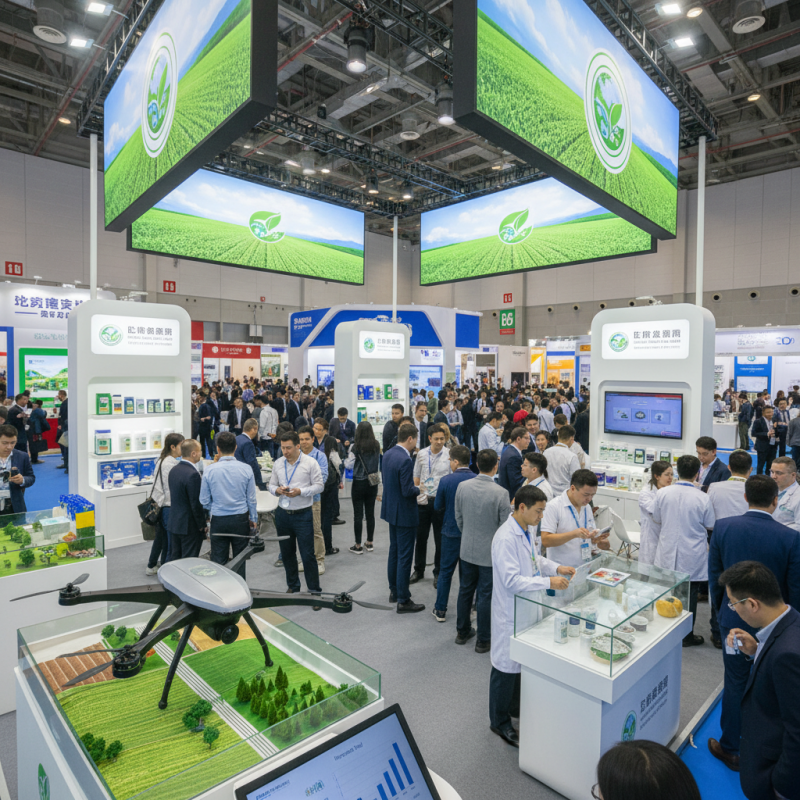
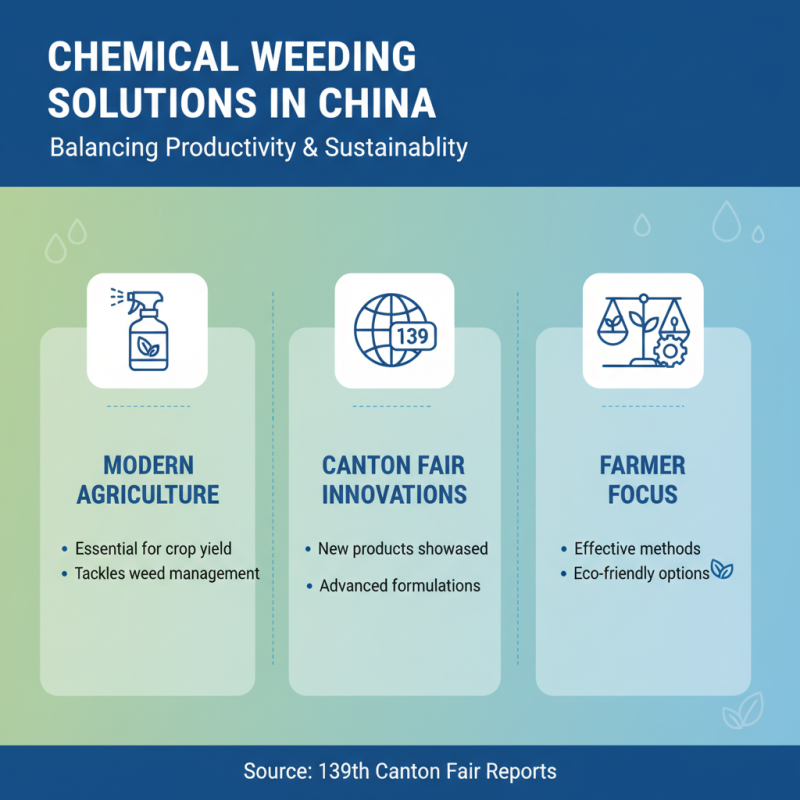
Chemical weeding solutions are essential for modern agriculture in China. At the 139th Canton Fair, numerous exhibitors showcased innovative products. These solutions aim to tackle the persistent problem of weed management. Many farmers seek effective methods that balance productivity and sustainability.
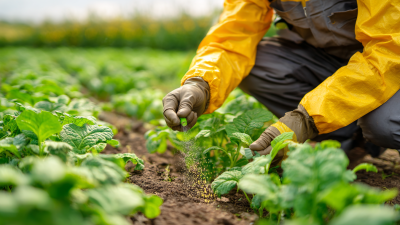
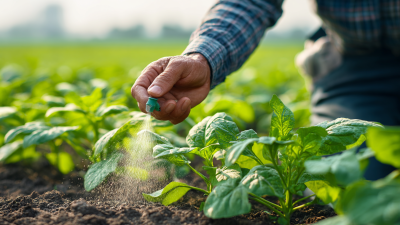
One approach involves using eco-friendly herbicides. These products minimize environmental impact while ensuring crops thrive. Farmers can apply them precisely, reducing wasted substances. However, it's crucial to note that not all products are equally effective. Some may not yield the expected results. This inconsistency can lead to frustration.
Tips for selecting chemical weeding solutions include researching the ingredients carefully. Opt for solutions with a proven track record. It's beneficial to consult agricultural experts before making a purchase. Always consider local regulations and environmental implications. Be wary of quick-fix solutions that promise instant results. They may harm soil health in the long run. Sharing experiences with fellow farmers can also provide valuable insights.
The Canton Fair plays a crucial role in agricultural innovations, especially in the realm of Crop Chemicals. This event serves as a pivotal platform for showcasing breakthroughs in chemical weeding solutions. According to industry reports, the global market for Crop Chemicals is projected to reach $245 billion by 2025. This substantial growth reflects the increasing demand for effective agricultural inputs.
Attendees at the 139th Canton Fair can explore new technologies in chemical weeding. Innovations are focusing on eco-friendliness and efficiency. For instance, advanced formulations are now designed to minimize environmental impact while maximizing yield. Data from the International Fertilizer Association suggests that sustainable products are gaining traction among farmers. However, adoption remains slow due to cost concerns.
The fair also emphasizes the importance of collaboration. Many companies are looking for partnerships to further research and development. Despite the promising advancements, challenges remain in regulatory compliance and aligning with sustainable practices. The focus on crop chemicals must also include strategies for responsible usage, balancing productivity with ecological responsibility.
At the 139th Canton Fair, several key exhibitors are set to showcase innovative weeding solutions. These exhibitors highlight advancements in agricultural technology that cater to modern farming needs. Their displays promise to attract attention from various sectors. From small-scale farmers to large agricultural companies, attendees will find valuable insights.
Be on the lookout for automated weeding tools. These tools can save time and labor, but they also come with a learning curve. Adjusting these machines to different terrains may be challenging. Proper training is essential for effective use.
Many solutions focus on sustainability. Some products employ natural herbicides or eco-friendly materials. These alternatives reduce environmental impact but may require adjustments in traditional farming methods. It's essential to reflect on what fits best in your operation. Choose solutions that align with both your goals and environmental responsibilities.
The 139th Canton Fair showcased innovative trends in chemical weeding technologies. Industry reports highlight a shift toward eco-friendly solutions. The market for chemical weeding solutions is projected to grow at a compound annual growth rate of 5% over the next five years. This growth is fueled by increasing agricultural productivity demands and sustainability initiatives.
Emerging technologies focus on precision application methods. These methods minimize Chemical Pest exposure and enhance efficiency. For instance, drone-assisted spraying allows for targeted delivery, reducing waste. Data from recent agricultural studies indicate that such technologies can improve crop yields by 10-20%. However, widespread adoption faces challenges, such as high initial costs and the need for operator training.
**Tip:** Assess environmental impact when selecting chemical weeding products. Aim for formulations that balance efficacy with safety. Engage with local agricultural experts to tailor solutions to specific crop needs. Recognizing the importance of training can prevent misuse and enhance effectiveness.
| Weeding Solution Type | Active Ingredient | Application Method | Effectiveness (Duration) | Environmental Impact |
|---|---|---|---|---|
| Herbicide A | Glyphosate | Foliar Spray | Up to 8 weeks | Low |
| Herbicide B | Atrazine | Soil Application | Up to 6 months | Medium |
| Herbicide C | 2,4-D | Foliar Spray | Up to 4 weeks | High |
| Herbicide D | Paraquat | Spot Treatment | Immediate | Very High |
China's environmental regulations are increasingly influencing the market for chemical weeding solutions. The focus on sustainability is reshaping agricultural practices. In fact, a recent report highlighted that around 30% of agricultural producers in China plan to shift towards eco-friendly products by 2025. This trend reflects a growing awareness of the harmful effects of traditional Chemical Crop products on health and the environment.
Furthermore, the stricter regulations around pesticide use are challenging manufacturers. They face pressure to innovate safer alternatives. Data from industry research suggests that organic and bio-based herbicides are gaining traction. A significant 25%of chemical weeding product sales are now derived from these sustainable options. Despite this progress, many farmers express concerns regarding performance. They question whether these alternatives can compete with established Chemical Crop solutions.
The gap between regulatory expectations and practical application needs attention. While regulations are necessary for safety, they can create confusion. Some smaller players in the market struggle to comply. The industry must find a balance. A collaborative approach could foster innovation while meeting environmental goals. Adapting to these changes might be a slow process, but it is essential for the future of agricultural practices in China.
Weeding techniques have evolved significantly over the years. Traditional methods often rely on manual labor and the use of basic tools. Farmers might spend hours in the field, pulling weeds by hand. This process is labor-intensive and time-consuming. Many struggle with fatigue and injuries. It raises questions about efficiency and productivity.
Modern weeding techniques are transforming agriculture. Innovations like robotic weeders and advanced chemical solutions are paving new paths. Panama Chemical solutions, for example, offer effective ways to manage weeds with precision. This technology reduces the need for constant manual intervention. However, some critics argue that reliance on chemical methods may have long-term environmental effects. They urge a balance between technology and sustainability.
The comparison reveals challenges on both sides. Traditional methods build skills and resilience in communities. Yet, they may hinder scalability. Modern solutions increase output but stir debates over chemical safety. Farmers are left to weigh these options carefully, ensuring they choose what best fits their circumstances.
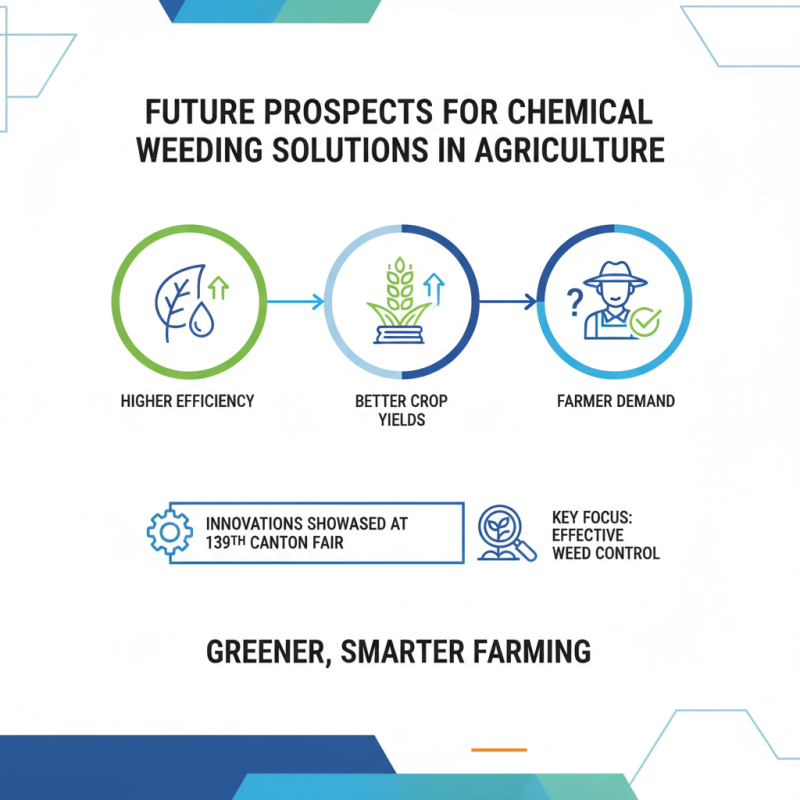
As we look to the future of agriculture, chemical weeding solutions are gaining attention. These products promise higher efficiency and better crop yields. Farmers are eager for effective solutions. The recent 139th Canton Fair showcased these innovations, drawing significant interest.
Despite the benefits, there are challenges to consider. The impact on soil health is a valid concern. Over-reliance on chemical solutions could lead to resistance among weeds. This creates a cycle that farmers must navigate carefully. They need to be informed about the long-term effects and best practices.
Moreover, the market is evolving. As sustainable farming becomes a priority, chemical weeding solutions need adaptation. Innovations should balance productivity with environmental sustainability. The future will require collaboration among scientists, farmers, and policymakers. Building a responsible approach to chemical weeding is essential.
: They are products used to manage weeds in agriculture. They aim to enhance productivity.
They minimize harm to the environment while supporting crop growth. Farmers apply them cautiously.
Experts can guide them on effective products. This helps avoid frustration from poor results.
Research the ingredients and check for proven effectiveness. Local regulations matter too.
They can save time but require training. Adjusting them for various terrains can be tough.
Sustainable options lower environmental impact. They may require changes in farming practices.
They can discuss their experiences with peers. This sharing can inform better choices.
It may harm soil health and enable weed resistance. Farmers must consider long-term effects.
There’s a shift toward sustainability. Future innovations must balance efficiency and environmental care.
Collaboration among scientists, farmers, and policymakers is vital. A thoughtful approach is necessary.
The article "China Top Chemical Weeding Solutions at the 139th Canton Fair" delves into the burgeoning field of chemical weeding solutions in China, highlighting their significance within the agricultural sector. The Canton Fair serves as a pivotal platform for presenting innovative agricultural technologies, where key exhibitors showcase the latest advancements in chemical weeding.
Furthermore, the article examines the evolving trends in chemical weeding technologies alongside a comparative analysis of traditional versus modern weeding techniques. As environmental regulations increasingly impact the development of weeding products, the future prospects for chemical weeding solutions look promising in addressing challenges faced by farmers. Overall, this overview illustrates the critical role chemical weeding solutions play in modern agriculture and their potential to enhance farming efficiency.