When it comes to farming, picking the right Agro Fertilizers can really make a big difference in boosting crop yields and keeping the soil healthy. Did you know that, according to a report by the Food and Agriculture Organization (FAO), global fertilizer use has been climbing steadily? In fact, it hit around 200 million tonnes in 2021 alone. That just goes to show how crucial proper fertilizer use is if we want to keep up with the growing demand for food—by 2050, the world’s population might be over 9 billion, so we’ve got our work cut out for us. But with so many options out there, figuring out which fertilizers are best? It can be pretty overwhelming. Farmers and ag professionals need to understand the different types of fertilizers, what they’re made of, and how they can benefit both their crops and the soil itself.
Choosing the right fertilizers isn’t just about boosting plant growth; it’s also about understanding what your specific crops need and what your soil’s conditions are like. A study from the International Fertilizer Association (IFA) points out that using the correct fertilizers doesn’t just help your plants grow better—it actually supports the health of the tiny microorganisms in the soil, which over time can improve soil fertility naturally. Plus, managing fertilizers smartly can help reduce agriculture’s impact on the environment, making farming more sustainable in the long run. So, this guide is here to give you some key insights so you can make smarter choices about agro fertilizers—helping your fields produce more while also keeping things balanced eco-wise.
Understanding Soil Health and Its Importance in Agriculture
Soil health plays a crucial role in sustainable agriculture, serving as the foundation for productive farming systems. Healthy soil is characterized by its biological diversity, nutrient richness, and structural integrity, which collectively contribute to higher crop yields and enhanced resilience against pests and diseases. According to a report by the Food and Agriculture Organization (FAO), approximately 33% of the world's soils are degraded, directly impacting food production and security. As farmers increasingly recognize the connection between soil health and crop performance, soil management practices that promote tilth, organic matter content, and microbial activity are gaining significance.
Understanding soil health also involves engaging with the concept of soil biodiversity. Research has shown that diverse soil organisms contribute to nutrient cycling and improve soil structure, which enhances water retention and reduces erosion. For instance, the Soil Health Institute indicates that investing in soil health can lead to an average yield increase of 20% over a five-year period, as healthier soils provide essential nutrients more effectively. Farmers aiming to optimize their agro-fertilizer choices must assess their soil's specific health indicators, such as pH levels, organic carbon content, and microbial communities. By focusing on these aspects, they can ensure that their fertilizer applications not only meet the immediate nutritional needs of their crops but also foster long-term soil vitality and productivity.
Types of Agro Fertilizers Available in the Market
When it comes to selecting the best agro fertilizers for your crops and maintaining soil health, understanding the types available in the market is crucial. Agro fertilizers can be broadly categorized into synthetic and organic types. Synthetic fertilizers, which include nitrogen, phosphorus, and potassium (NPK) formulas, provide essential nutrients in concentrated forms and are known for their quick-release properties. According to a report by the Food and Agriculture Organization (FAO), nutrient application through synthetic fertilizers can significantly boost crop yields by as much as 50% under optimal conditions.
On the other hand, organic fertilizers, such as compost, manure, and green manure, focus on enhancing soil structure and fertility over time. A study published in the Journal of Sustainable Agriculture highlights that organic fertilizers not only improve crop yields but also lead to better soil health by increasing biodiversity and microbial activity. Moreover, applying organic fertilizers can enhance the water retention capabilities of the soil, which is particularly beneficial in regions prone to drought. With a growing emphasis on sustainability, farmers are increasingly turning to a combination of both synthetic and organic fertilizers to achieve optimal crop production while preserving environmental integrity. Understanding these different types will enable more informed choices tailored to specific crop needs and soil conditions.
How to Choose the Best Agro Fertilizers for Your Crops and Soil Health - Types of Agro Fertilizers Available in the Market
| Type of Fertilizer | Nutrient Composition | Application Rate (kg/ha) | Best Used For | Soil Type |
| Nitrogen Fertilizers | N: 46% | 150-200 | Leafy Vegetables | Sandy Soil |
| Phosphate Fertilizers | P: 15-20% | 100-150 | Root Crops | Clay Soil |
| Potassium Fertilizers | K: 60% | 80-120 | Fruiting Crops | Loamy Soil |
| Organic Fertilizers | Varies (C, N, P, K) | 500-1000 | General Crop Growth | All Soil Types |
| Micronutrient Fertilizers | Fe, Zn, Mn, Cu, B | 20-50 | Specific Deficiencies | All Soil Types |
Assessing Nutrient Needs of Different Crops
When it comes to maximizing crop yield and ensuring soil health, understanding the specific nutrient needs of different plants is crucial. Each crop species has unique requirements based on factors such as growth stage, soil composition, and environmental conditions. For instance, leafy greens like lettuce often thrive with higher nitrogen levels, while root vegetables such as carrots may require a balanced ratio of phosphorus to promote strong root development. Conducting a soil test will provide insights into existing nutrient levels, helping farmers make informed decisions about fertilizer application.
Additionally, it's important to consider the nutrient uptake rates of crops throughout their growth cycles. Some plants, like tomatoes, have distinct nutrient needs during flowering and fruiting stages compared to their earlier vegetative growth phases. Adjusting fertilizer plans accordingly can enhance plant health and yield. Moreover, integrating agroecological practices, such as crop rotation and cover cropping, can improve soil fertility over time and create a more resilient farming system. By meticulously assessing these nutrient needs, farmers can choose the best fertilizers that will not only support their crops but also contribute to sustainable soil health.
Evaluating Soil Composition and pH Levels
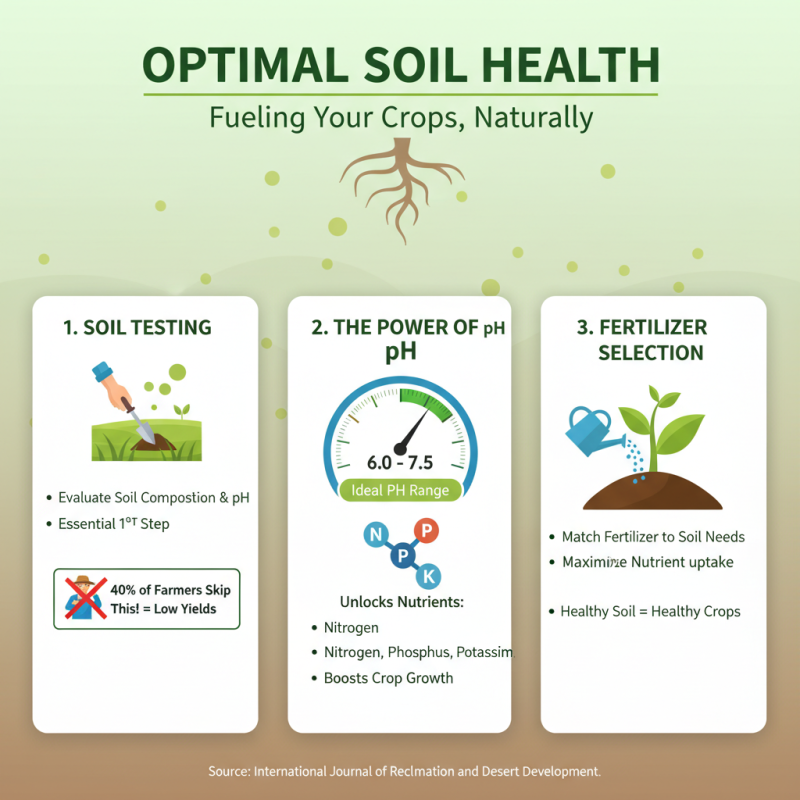
Evaluating soil composition and pH levels is essential for selecting the best agro fertilizers for your crops and promoting soil health. Soil testing is the first step in this evaluation process. Research indicates that approximately 40% of farmers do not conduct soil tests, which can lead to improper fertilizer application and decreased crop yields. According to the International Journal of Reclamation and Desert Development, maintaining an optimal soil pH, typically between 6.0 and 7.5, is crucial for nutrient availability. This pH range enhances the solubility of essential nutrients like nitrogen, phosphorus, and potassium, which are vital for crop growth.
In addition to pH, understanding the soil composition, including the percentage of clay, silt, and sand, can significantly impact fertilizer choice and application rates. A report from the Soil Science Society of America states that soils with a high clay content retain water better but may require different fertilizers than sandy soils, which drain quickly and often need more frequent applications. By analyzing these factors, farmers can make informed decisions about the type and quantity of fertilizers needed to support their specific crops, ultimately improving yield and promoting sustainable agriculture practices.
Choosing Organic vs. Synthetic Fertilizers: Pros and Cons
When choosing fertilizers for crops, the decision between organic and synthetic options plays a crucial role in both agricultural productivity and soil health. Organic fertilizers, derived from natural sources like plant and animal matter, promote a healthy soil ecosystem by enhancing microbial activity. A study by the Rodale Institute noted that organic farming systems can sequester an average of 1.1 metric tons of carbon per hectare per year, which is essential in mitigating climate change and improving soil structure. Additionally, organic fertilizers release nutrients slowly, ensuring that crops receive a steady supply, which can lead to better nutrient retention and less pollution in waterways.
On the other hand, synthetic fertilizers are chemically manufactured and are designed to provide an immediate nutrient boost for crops. According to the Food and Agriculture Organization (FAO), the global market for synthetic fertilizers was valued at approximately $210 billion in 2020, highlighting their widespread adoption in conventional agriculture. While they can significantly enhance crop yields in the short term, reliance on synthetic fertilizers can lead to soil degradation, nutrient runoff, and a decrease in soil biodiversity over time. A report from the United Nations Environment Programme indicates that unsustainable use of synthetic fertilizers has contributed to the degradation of over 50% of the world’s arable land as of 2021. Thus, understanding the trade-offs between these two types of fertilizers is vital for sustainable agricultural practices.
Application Methods: Timing and Techniques for Optimal Results
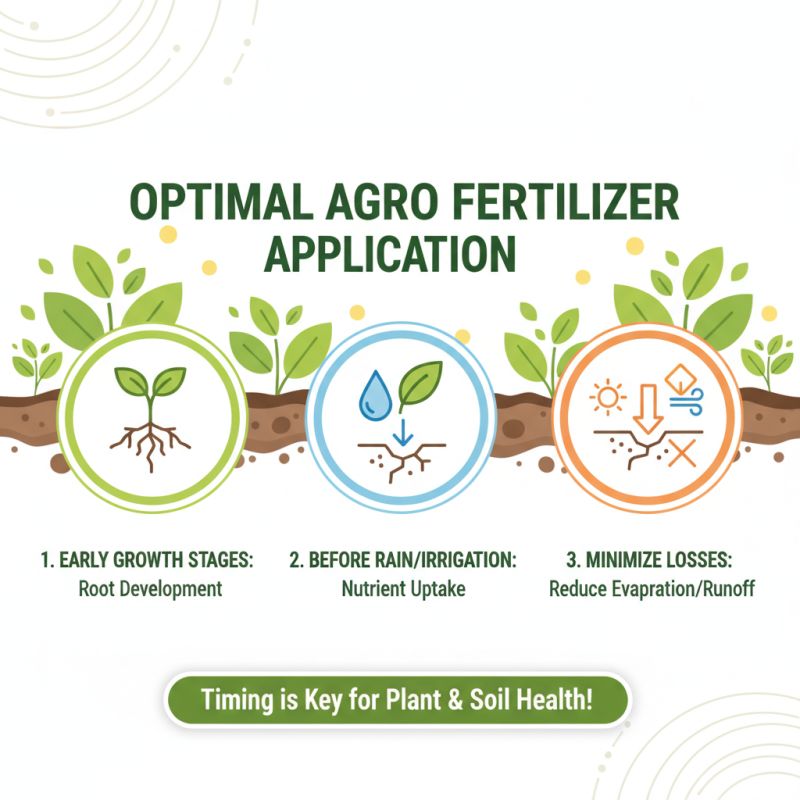
Application methods for agro fertilizers play a crucial role in achieving optimal results for both crops and soil health. Timing is key to ensuring that nutrients are effectively absorbed by plants. Generally, the best times to apply fertilizers are during the early stages of crop growth when the plants are actively developing their root systems. In addition, applying fertilizers shortly before rain or irrigation can enhance nutrient uptake by increasing soil moisture and minimizing loss through evaporation or runoff.
Techniques for fertilizer application can vary based on the type of crop and specific soil conditions. For granular fertilizers, broadcasting evenly across the field followed by light tilling can help incorporate the nutrients into the soil. Alternatively, banding fertilizers—placing them directly in the planting furrow—can also increase efficiency by reducing nutrient loss and making them more accessible to young plants. Foliar feeding, or spraying fertilizer solutions directly onto plant leaves, is another effective method for delivering nutrients quickly, particularly for micronutrients that plants may require in smaller quantities. Careful consideration of both timing and application techniques can significantly enhance crop yield and improve soil health over time.
Monitoring and Adjusting Fertilization Practices Over Time
Monitoring and adjusting fertilization practices over time is crucial for optimizing crop yield and maintaining soil health. Regular soil testing provides valuable insights into nutrient availability and pH levels, allowing farmers to tailor their fertilization strategies effectively. By analyzing results from these tests, agronomists can identify deficiencies and excesses in soil nutrients, enabling the development of a customized fertilization plan that meets the specific needs of the soil and the crops being cultivated.
Additionally, it is essential to observe crop performance and soil health indicators throughout the growing season. This can involve monitoring plant growth, leaf color, and other physiological characteristics. Adjusting fertilization practices based on these observations can enhance nutrient uptake and promote sustainable practices. For instance, if a crop shows signs of nutrient deficiency, timely interventions can help mitigate potential yield loss, while over-fertilization can be corrected to prevent environmental harm. Continuous monitoring and responsive adjustments ensure that fertilization remains aligned with both crop needs and ecological considerations, fostering long-term agricultural sustainability.
Conclusion
Choosing the best agro fertilizers is essential for enhancing crop yield and maintaining soil health. Understanding soil health is crucial, as it dictates how well nutrients are absorbed by plants. Various types of agro fertilizers are available, including organic and synthetic options, each with its pros and cons. Farmers must assess the specific nutrient needs of their crops, evaluate soil composition and pH levels, and make informed decisions based on these factors.
Application timing and techniques play a significant role in achieving optimal results. Regular monitoring and adjusting of fertilization practices are vital for sustainable agricultural practices. By following these guidelines, farmers can effectively select and utilize agro fertilizers, leading to improved crop performance and soil vitality over time.

 0551-68500918
  Contact Email
 Contact WhatsApp