Leave Your Message
0%

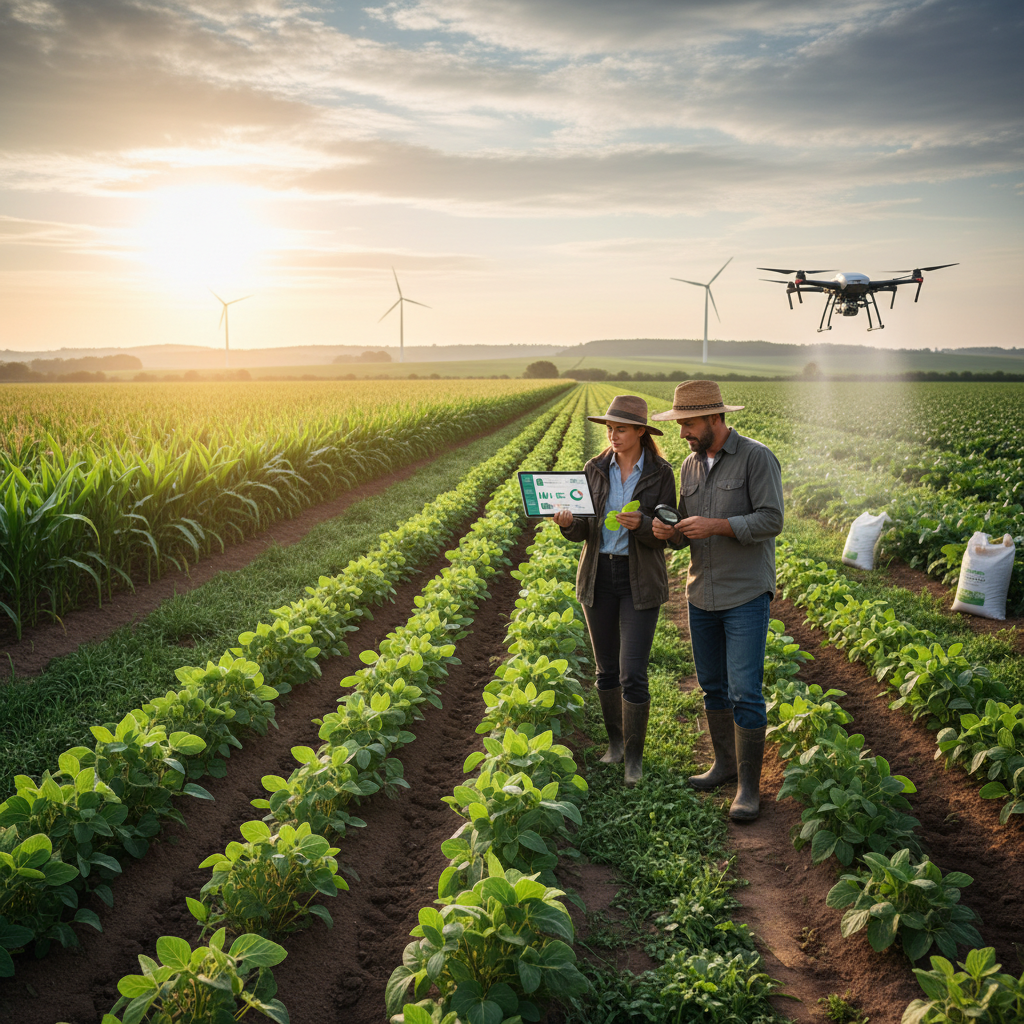
In today’s ever-changing world of farming, choosing the right agrochemicals is more important than ever if you want to get the best crops possible. I mean, as the Food and Agriculture Organization (FAO) points out, the world's food needs are expected to jump by around 70% by 2050. That’s a huge leap, and it really puts pressure on us to improve how we manage our crops. Agro Chemicals — thinkfertilizers, herbicides, and insecticides — are pretty much at the heart of this effort. A recent market report by Mordor Intelligence even predicts that the agrochemical industry will grow at about 3.5% annually from 2021 to 2026. That just shows how vital they’ve become in modern farming.
2025 How to Choose Agro Chemicals for Maximum Crop Yield: Expert Insights & Data

Farmers and agronomists face the tricky task of picking the right products for their specific crops and regional conditions. It’s a bit of a balancing act — getting it right can seriously boost yields, make farming more efficient, and bring in better profits. Several studies suggest that smart use of agro chemicals can bump up yields by, say, 30% to 50%. That’s a pretty big difference, not just for the wallet but also for the environment. So, understanding the basics of how and when to apply these chemicals, along with expert advice and good data, can really help farmers maximize their output without sacrificing sustainability. It’s all about working smarter, not just harder, in this game of agriculture.

Effective Criteria for Selecting Agro Chemicals to Boost Crop Yield

Selecting the right agrochemicals is crucial for maximizing crop yield, and several effective criteria can guide this process. Firstly, understanding soil health and nutrient requirements is essential. Agrochemicals should complement the existing soil composition, enhancing its fertility without causing long-term degradation. This involves conducting thorough soil tests and considering the specific needs of the crops being grown.

Secondly, evaluating the mode of action and efficacy of the agrochemical products is vital. Farmers should look for innovative formulations that demonstrate proven results in increasing crop productivity while minimizing negative impacts on the environment.

Agrochemical Products

Companies like Innovation Meiland (Hefei) Co., LTD. are at the forefront of developing new pesticide products and formulations that meet these criteria. By focusing on research and the advancement of processes, Meiland aims to offer solutions that not only improve yields but also ensure sustainable agricultural practices. Implementing these criteria can empower farmers to make informed decisions that lead to successful and sustainable farming operations.

Understanding the Role of Soil Health in Agro Chemical Selection

2025 How to Choose Agro Chemicals for Maximum Crop Yield: Expert Insights & Data

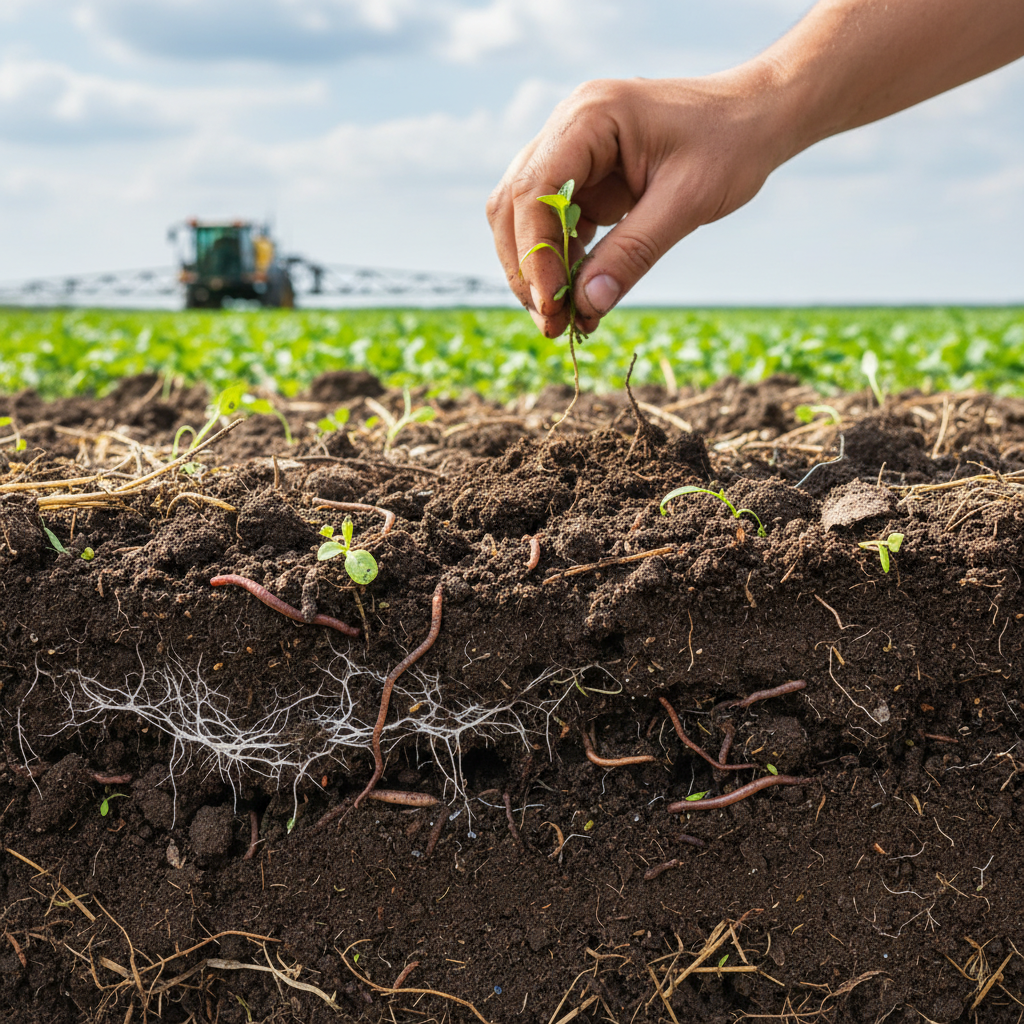
Soil health is a crucial factor that influences the effectiveness of agrochemicals in enhancing crop yields. Healthy soil is rich in organic matter, nutrients, and a diverse microbiome, which collectively support plant growth and resilience against pests and diseases. When selecting agrochemicals, it is essential to evaluate soil health because the interactions between these chemicals and the soil environment can significantly impact their efficacy. For instance, certain fertilizers may not perform optimally in soils that lack specific minerals, while pesticides might degrade more rapidly in healthy, biologically active soils, reducing their effectiveness.

Moreover, understanding soil pH and nutrient levels can guide farmers in choosing the right agrochemicals. A soil test can reveal deficiencies or toxicities that need to be addressed before applying any chemicals. By aligning agroChemical Applications with soil health assessments, farmers can optimize their input use, enhance nutrient availability, and ultimately improve crop yield. This data-driven approach ensures that agrochemicals contribute positively to sustainable farming practices, fostering both immediate agricultural productivity and long-term soil viability.

Analyzing Crop Requirements: Tailoring Agro Chemicals for Specific Needs

2025 How to Choose Agro Chemicals for Maximum Crop Yield: Expert Insights & Data

When it comes to maximizing crop yield, understanding the specific requirements of each crop is essential. Different crops have distinct nutritional needs and susceptibilities to pests and diseases, which can significantly influence agrochemical application. According to the Food and Agriculture Organization (FAO), proper agrochemical management can increase yields by up to 30% when tailored to specific crop requirements. This highlights the importance of conducting thorough soil tests and crop analysis to identify nutrient deficiencies and pest vulnerabilities.

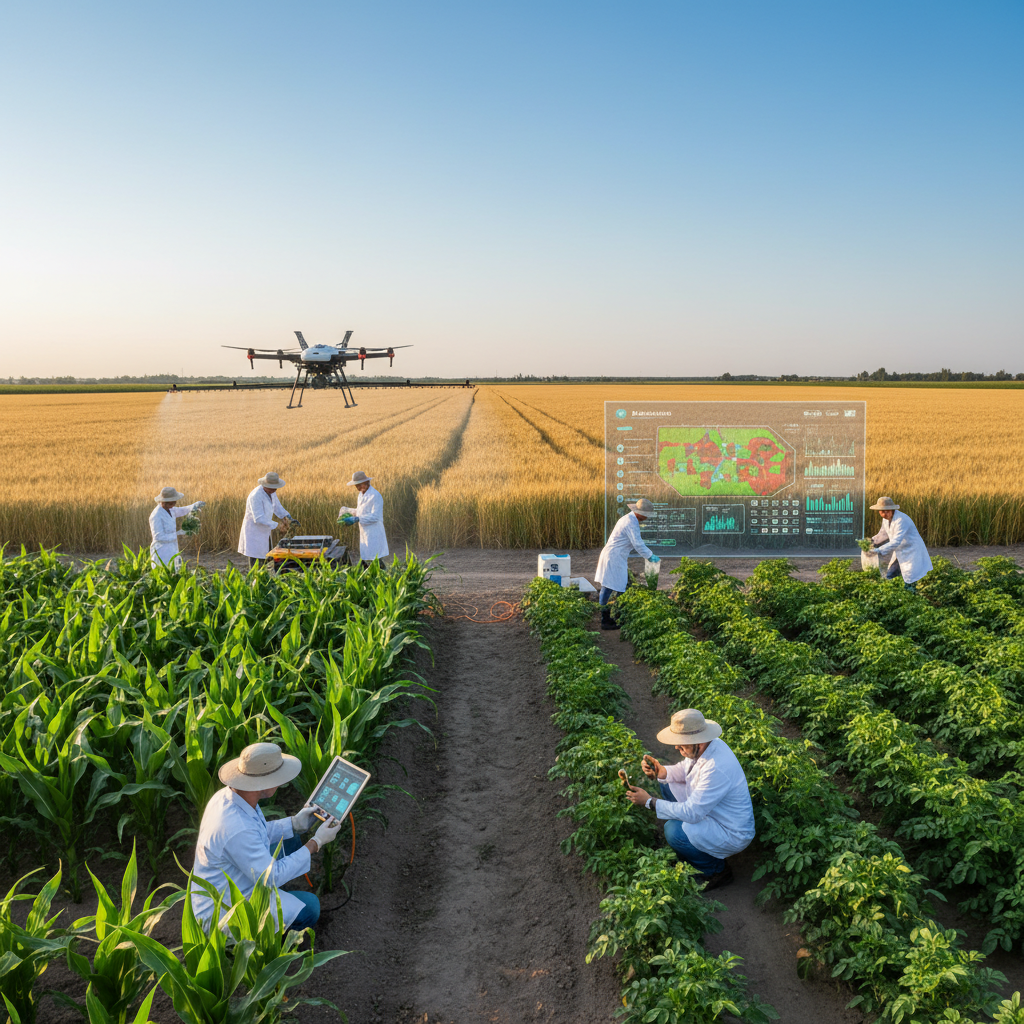
Furthermore, the adoption of precision agriculture technologies plays a critical role in customizing agrochemical use. Data from the International Society for Precision Agriculture indicates that precision application can reduce agrochemical waste by approximately 15% while enhancing crop health. By employing satellite imagery and soil moisture sensors, farmers can accurately determine the optimal types and quantities of agrochemicals needed, ensuring that each crop receives the necessary inputs without overuse, thereby promoting sustainable agricultural practices.

Innovations in Agro Chemical Formulations for Enhanced Productivity

Innovations in Agrochemical Formulations are crucial for enhancing crop productivity and meeting the growing demands of agriculture. Modern formulations are designed not only to target specific pests and diseases but also to maximize the efficiency of nutrient uptake by plants. Innovative technologies, such as encapsulation and slow-release mechanisms, have emerged to ensure that agrochemicals are more effective and longer-lasting, thus promoting sustainability in farming practices.

At Innovation Meiland (Hefei) Co., LTD., we prioritize the research and development of new pesticide products and formulations that cater to the evolving needs of farmers. Our commitment to innovation allows us to create agrochemical solutions that not only improve crop yield but also preserve environmental balance. By collaborating with experts in the field, we are pushing the boundaries of traditional agrochemicals to deliver products that produce tangible results in agricultural productivity. These advancements are essential in supporting farmers to achieve higher yields while adhering to sustainable practices.

2025 How to Choose Agro Chemicals for Maximum Crop Yield: Expert Insights & Data

Agro Chemical Type Formulation Type Active Ingredient Recommended Application Rate (kg/ha) Target Crop Expected Yield Increase (%)
Fungicide Liquid Azoxystrobin 1.5 Wheat 15
Insecticide Granular Abamectin 2.0 Corn 20
Herbicide Liquid Glyphosate 3.0 Soybean 25
Nutrient Water-Soluble Urea 150 Rice 30

Sustainable Practices in Agro Chemical Use: Balancing Yield and Environment

Sustainable practices in agrochemical use are becoming increasingly critical as the global population continues to grow, with projections estimating that food production will need to increase by 70% by 2050. The challenge lies in balancing the need for maximum crop yield with the imperative to protect the environment. According to a report by the Food and Agriculture Organization (FAO), the judicious use of agrochemicals can help enhance productivity while minimizing adverse environmental impacts. For instance, precision agriculture techniques, which include targeted fertilization and pest management, can lead to a reduction in input usage by up to 30%, thereby lowering costs and environmental footprint.

Furthermore, studies indicate that integrating organic fertilizers with conventional agrochemicals can improve soil health and enhance carbon sequestration. A 2022 report from the International Fertilizer Association highlights that such integrated approaches can increase soil organic carbon levels by 1.5 to 2 times over conventional methods. This not only contributes to better crop yields but also fosters resilience against climate change. Implementing sustainable practices in agrochemical use involves ongoing education for farmers and investment in research and development to promote eco-friendly alternatives that ensure productivity without compromising environmental integrity.

Data-Driven Decision Making: Leveraging Analytics for Optimal Chemical Application

In the modern agriculture landscape, data-driven decision making has emerged as a crucial strategy for optimizing agrochemical application and maximizing crop yield. By leveraging advanced analytics, farmers can assess a multitude of variables, including soil health, weather patterns, and crop types, to make informed choices about chemical usage. This not only enhances efficiency but also minimizes environmental impact, ensuring sustainability alongside productivity.

Utilizing predictive analytics, growers can tailor their chemical applications to specific needs at different growth stages of crops. This precision allows for targeted interventions that can significantly improve yield outcomes. Moreover, data analytics empowers farmers to monitor the effectiveness of their agrochemical strategies in real-time, enabling continuous optimization based on empirical evidence. As technology evolves, integrating IoT devices and data analytics into farming practices will further enhance the ability to make proactive adjustments, ensuring that the right chemicals are used at the right time and in the right amounts.

FAQS

: Why is soil health important in agrochemical selection?

: Soil health is crucial because it influences the effectiveness of agrochemicals. Healthy soil supports plant growth and resilience, while the interactions between agrochemicals and soil can significantly impact their efficacy.

How can soil health impact the performance of fertilizers and pesticides?

Fertilizers may not perform optimally in soils lacking specific minerals, and pesticides might degrade more rapidly in healthy soils, reducing their effectiveness.

What role does soil testing play in agrochemical selection?

Soil testing can reveal nutrient deficiencies or toxicities, guiding farmers in selecting the right agrochemicals, aligning their applications with soil conditions to enhance nutrient availability.

How much can proper agrochemical management increase crop yields?

Proper agrochemical management tailored to specific crop requirements can increase yields by up to 30%, according to the Food and Agriculture Organization (FAO).

What technologies are beneficial for customizing agrochemical use?

Precision agriculture technologies, such as satellite imagery and soil moisture sensors, help determine the optimal types and quantities of agrochemicals needed for each crop.

How can precision agriculture reduce agrochemical waste?

Precision application can reduce agrochemical waste by approximately 15% while enhancing crop health by ensuring that each crop receives only the necessary inputs.

What is the benefit of aligning agrochemical applications with soil health assessments?

It optimizes input use, enhances nutrient availability, and improves crop yield, contributing positively to sustainable farming practices.

What are the key factors that influence a crop’s specific agrochemical needs?

Each crop has distinct nutritional requirements and different susceptibilities to pests and diseases, which determine the necessary agrochemical applications.

How does healthy soil support plant resilience?

Healthy soil is rich in organic matter, nutrients, and diverse microbiomes that collectively enhance plant growth and help plants resist pests and diseases.

What is the overall impact of assessing soil health on agriculture?

A data-driven approach to assessing soil health and aligning agrochemical applications fosters both immediate agricultural productivity and long-term soil viability.

Conclusion

The article "2025 How to Choose Agro Chemicals for Maximum Crop Yield: Expert Insights & Data" outlines essential criteria for selecting agro chemicals that can significantly enhance crop productivity. It emphasizes understanding soil health and analyzing specific crop requirements to tailor chemical applications effectively. Innovations in agro chemical formulations are highlighted as crucial for improving agricultural outcomes while adhering to sustainable practices that strike a balance between maximizing yield and protecting the environment. Furthermore, the article promotes data-driven decision-making, showcasing how analytics can inform optimal chemical use, ultimately leading to more productive farming practices.

Innovation Meiland (Hefei) Co., LTD., with its commitment to research and development in new pesticide products and formulations, aligns with these insights to provide effective agro chemical solutions that support farmers in achieving their goals for high crop yield.
Ethan

Ethan

Ethan is a dedicated marketing professional at Innovation Meiland (Hefei) Co., LTD., where his expertise in the field of pesticide research and development is highly regarded. With a strong focus on exploring new product formulations and processes, Ethan plays a pivotal role in communicating the......
Previous Navigating Global Trade Regulations for Pesticides Solutions a Step by Step Guide