Leave Your Message
0%

Picking the right herbicide really matters if you want your Herbicide Agriculture efforts to actually work. Honestly, a lot of farmers get stuck when trying to decide which product to go with. With different crops, diverse field conditions, and pesky pests, it can get pretty overwhelming.

One thing that folks sometimes overlook is understanding how the herbicide actually works. Skipping this step can backfire — you might end up with weeds that just don’t die, or worse, damage your crops. So, taking the time to learn about the mode of action is a smart move. Plus, you gotta consider what your crops need specifically. For example, some herbicides are great for knocking out broadleaf weeds, while others are better with grasses.

Timing is everything too. Applying herbicides too late might mean they don’t do their job effectively. And hey, don’t forget about the environment. It’s important to think about soil health and the surrounding ecosystems. All in all, getting the best results in Herbicide Agriculture isn’t just about picking something off the shelf — it’s about making thoughtful, informed decisions. Ignoring these factors can definitely lead to frustration and less-than-stellar outcomes.

How to Choose the Best Herbicide for Effective Agriculture?

Understanding the Role of Herbicides in Agriculture

How to Choose the Best Herbicide for Effective Agriculture?

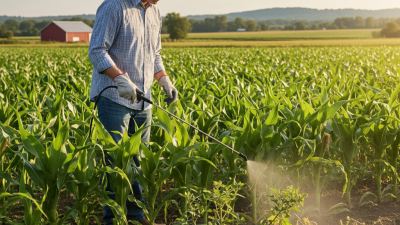
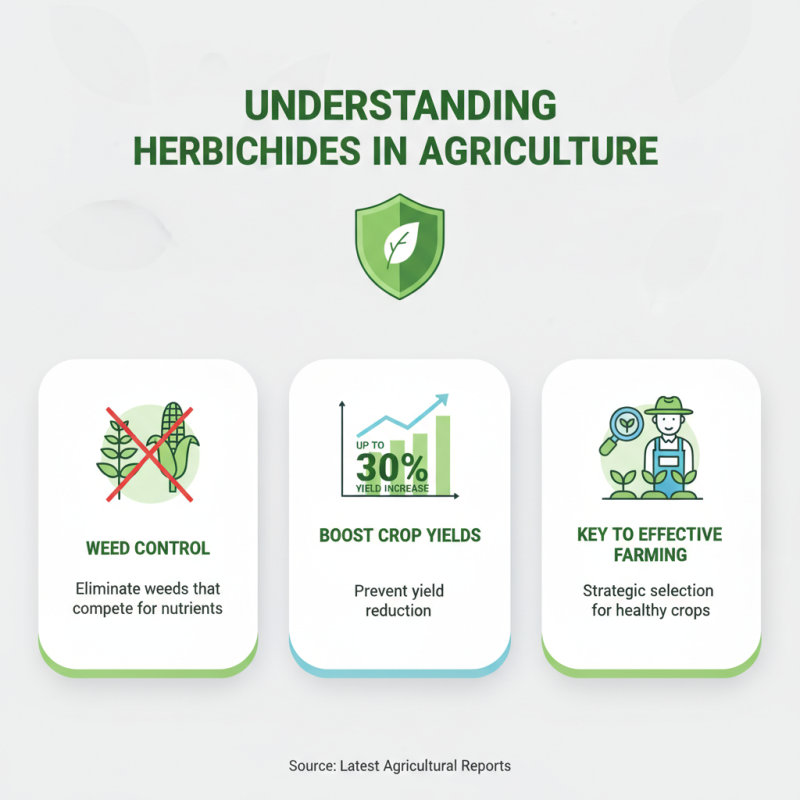
Herbicides play a crucial role in modern agriculture. They help control weeds, which can compete with crops for nutrients. According to the latest agricultural reports, weeds can reduce crop yields by up to 30%. This impact emphasizes the importance of selecting the right herbicides for effective agriculture.

Many farmers find it challenging to choose among the various options available. Some herbicides target specific weed species, while others offer broad-spectrum control. Understanding your field’s specific weed population is essential. Farmers should conduct a weed survey before selecting a herbicide. This step allows for precise targeting, leading to better crop health and yield.

Tips: Always read product labels. They provide essential information on effective application rates. Consider the timing of application; early intervention often yields better results.

Lastly, the economic impact can be significant. A study indicates that with proper herbicide use, farmers could increase profits by 20%. However, improper use can lead to resistance issues. Continuous education on herbicide management is vital for sustainable License Agriculture practices. Farmers must stay informed about best practices and evolving technologies in herbicide use.

Types of Herbicides: Selective vs. Non-Selective

When selecting the right herbicide, understanding the difference between selective and non-selective types is crucial. Selective herbicides target specific weeds. This allows beneficial plants to thrive. For instance, a farmer might use selective herbicides in a cornfield. These products can control grasses without harming the corn. This approach can optimize yields and improve crop health.

On the other hand, non-selective herbicides kill all plants they touch. These are often used for clearing entire areas. They can be effective for preparing land before planting. However, the risk of harming desired plants is significant. Farmers must carefully consider where they apply these products. Using non-selective herbicides also requires awareness of nearby crops. It’s a delicate balance that requires thoughtful planning.

Making the right choice involves weighing the benefits and risks. Not all herbicides work the same way in every field. Soil type, weather, and timing also play vital roles. Some areas may need multiple treatments, complicating the process further. Though many options exist, the perfect fit is not always clear. Reflecting on past experiences can guide future decisions.

Evaluating Crop Safety and Herbicide Compatibility

How to Choose the Best Herbicide for Effective Agriculture?

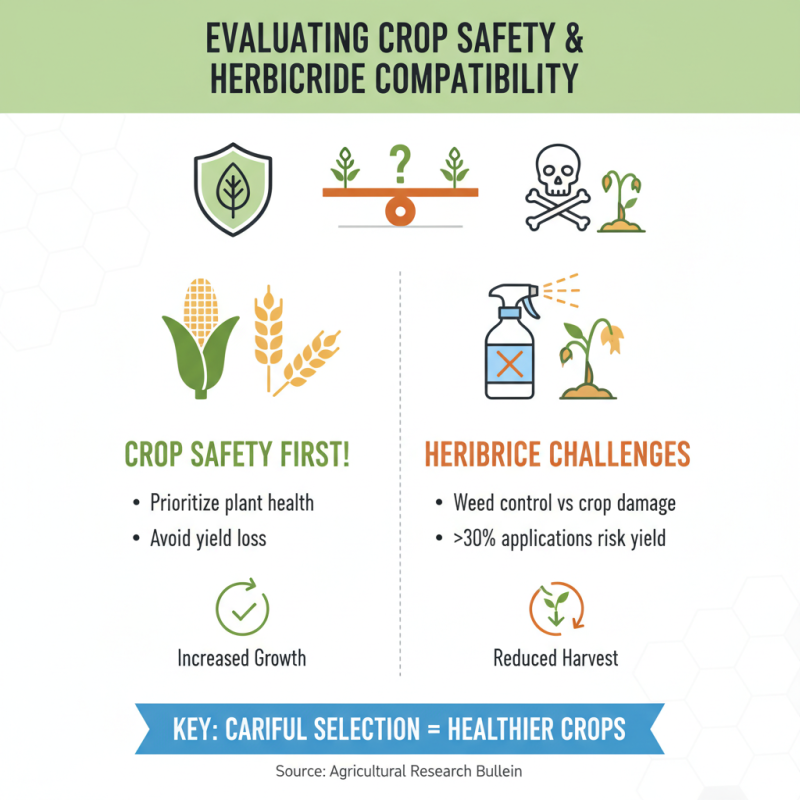
When selecting herbicides, crop safety is paramount. Farmers often face challenges in balancing effective weed control with plant safety. Research indicates that over 30% of Herbicide Applications can negatively affect crop yields if not chosen carefully. For instance, certain herbicides may damage sensitive crops, leading to reduced growth and harvest.

To mitigate risks, conducting compatibility evaluations is essential. An “Agriculture Kitnashak” evaluation helps link herbicide choices with specific crops. This approach highlights data from field studies that show compatibility percentages. Reports reveal that up to 50% of crop losses are related to improper herbicide use. It’s crucial to understand the phenological stages of crops. Applying herbicides at the wrong growth phase can severely affect their development.

Adopting a systematic approach is beneficial. Farmers should analyze local soil conditions and environmental factors. Understanding herbicide persistence in soil is important. Some products can remain active longer than anticipated, posing risks to subsequent crops. Ultimately, a well-informed herbicide selection can lead to healthier crops and improved yields, yet the learning curve often entails mistakes. Continuous education and field research are necessary to evolve practices.

Assessing Environmental Impact and Regulations

When considering the environmental impact of herbicides, it's crucial to look beyond immediate benefits. Comprehensive assessments reveal that these chemicals can affect soil health and water quality. A 2021 report from the Environmental Protection Agency indicated that over 70% of surface water samples contained at least one herbicide residue. This raises questions about the long-term safety of herbicide use in agriculture.

Regulations surrounding herbicide application are also evolving. Many governments are tightening rules based on new data. Farmers need to stay informed about these changes. Failure to comply can lead to serious penalties. Additionally, practices such as using Agriculture Adjuvants can significantly affect a herbicide's performance and environmental footprint. While they can enhance effectiveness, some may also complicate the regulatory landscape.

Critical reflection on herbicide use is vital. The balance between crop yield and environmental preservation is fraught with challenges. Educating farmers about sustainable practices could mitigate some risks. Moreover, there's a growing need for transparency in chemical applications. The agriculture sector must confront these complexities with caution and responsibility.

Comparison of Herbicide Effectiveness and Environmental Impact

This chart compares the effectiveness of various herbicides in terms of their weed control rate and their environmental impact risk score. A higher percentage indicates better effectiveness in controlling weeds, while a higher risk score suggests a greater environmental impact.

Application Methods: Timing and Techniques for Effectiveness

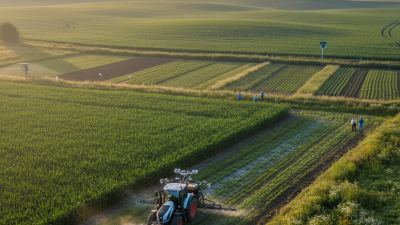
When applying herbicides, timing is crucial. The right moment can enhance effectiveness and minimize damage. Applying herbicides in the evening or early morning reduces evaporation. Weeds are often most vulnerable just after rainfall. This dampness can help the herbicide adhere to the leaves.

Techniques also play a vital role. Spraying should be consistent, covering every corner of the field. However, avoid over-saturation. Too much can lead to runoff, which may damage nearby crops. Adjusting the nozzle size can improve precision. A wider spray may cover more area, but a finer mist can target specific weeds.

It’s important to note the development stages of crops. Applying herbicides too early can harm young plants. Regular field monitoring can provide insights into weed growth patterns. This will allow better decision-making in application strategies. Remember, every field is unique. Reflect on past applications and outcomes to improve future practices.

Determining Cost-Effectiveness and Value in Herbicide Choices

Choosing the right herbicide is crucial for effective agriculture. Cost-effectiveness is a primary consideration. Farmers must assess both price and long-term value. A cheaper product may save money upfront but could lead to higher expenses later. Think about the potential for crop damage or the need for additional applications. All these factors add to the true cost.

Value can also be measured by effectiveness. An Agriculture Weed Killer must not only be affordable but also reliable. Some may perform well initially but fall short over time. Poor performance means more applications, adding to the cost. Take the time to research and analyze different options thoroughly. Look for customer feedback and efficacy data.

Farmers sometimes overlook the importance of local conditions. Soil type, climate, and weed species can affect the performance of an agriculture weed killer. A product suitable in one region may not work as well in another. This variability requires ongoing evaluation. Adjusting choices based on results can lead to better outcomes. The right herbicide choice is not just about the price tag but also its fit for local agricultural needs.

Staying Informed: Research and Innovations in Herbicide Development

Choosing the right herbicide is crucial for successful agriculture.

New research and innovations are constantly emerging, impacting how we select these products. Understanding the latest findings can help farmers make informed decisions. Keeping up with scientific advancements makes a difference in crop yields and environmental health.

Innovations in herbicide development focus on effectiveness and sustainability. New formulations are designed to target specific weeds while minimizing harm to crops. Some products now utilize slow-release technologies, reducing the need for multiple applications. Farmers are also exploring organic options that may provide safer alternatives. However, the effectiveness of these new strategies can vary. Continuous testing is necessary to ensure they meet agricultural needs.

Farmers must reflect on their choices.

The right decision today may not be effective tomorrow. Regulations and environmental factors are constantly changing. Relying solely on traditional herbicides could lead to resistance in weed populations. Embracing new research is vital, but it poses its own challenges. Balancing innovation with practicality requires careful consideration and constant education.

FAQS

: What should be considered when assessing the environmental impact of herbicides?

: Look beyond immediate benefits. Consider effects on soil health and water quality.

How prevalent are herbicides in surface water?

A report indicated that over 70% of surface water samples had herbicide residues.

Why is staying informed about herbicide regulations important?

Regulations are changing. Non-compliance can lead to serious penalties for farmers.

What role do agriculture adjuvants play in herbicide use?

They can enhance performance but complicate the regulatory landscape.

How can farmers ensure sustainable herbicide practices?

Educate themselves about sustainable methods and be transparent about chemical use.

What factors affect the cost-effectiveness of herbicides?

Assess both price and long-term value, including potential crop damage or extra applications.

How can local conditions influence herbicide performance?

Soil type, climate, and weed species vary by region, affecting effectiveness.

What is the risk of choosing a cheaper herbicide?

It may save money initially but could incur higher costs later due to poor performance.

What should farmers do to ensure better herbicide choices?

Research options thoroughly and consider customer feedback and efficacy data.

How should farmers respond to varying herbicide effectiveness?

Adjust choices based on evaluation and local agricultural needs for better outcomes.

Conclusion

Selecting the right herbicide is crucial for effective herbicide agriculture. Understanding the role of herbicides helps farmers manage unwanted weeds while ensuring crop health. It’s essential to distinguish between selective and non-selective herbicides, considering their compatibility with the crops in cultivation. Evaluating crop safety alongside the environmental impact of these chemicals is a critical step, as is staying informed about regulations governing their use.

Application methods also play a pivotal role in maximizing herbicide efficacy. Timing and technique can significantly affect the results, ultimately influencing the cost-effectiveness of herbicides. Staying updated on research and innovations in herbicide development is essential for making informed choices that enhance agricultural productivity while maintaining a commitment to sustainable practices in herbicide agriculture.

Ethan

Ethan

Ethan is a dedicated marketing professional at Innovation Meiland (Hefei) Co., LTD., where his expertise in the field of pesticide research and development is highly regarded. With a strong focus on exploring new product formulations and processes, Ethan plays a pivotal role in communicating the......
Previous Navigating Global Trade Regulations for Pesticides Solutions a Step by Step Guide