Lately, there's been a real surge in the demand for effective Crop Protection Solutions. I mean, reports say the whole industry is set to hit about $80 billion by 2025. That’s pretty wild, but honestly, it makes sense given all the challenges farmers are dealing with these days—things like climate change and pests getting smarter and harder to control. Farmers need innovative tools that can help boost yields and keep crops healthy, no doubt about that.
But, here’s the thing—figuring out which Crop Protection Solution to go for isn’t exactly a walk in the park. There are tons of options out there, and honestly, it can get pretty overwhelming trying to pick the right one. The Food and Agriculture Organization even warns that misusing pesticides can mess up soil health and wipe out some of our biodiversity, which is kinda scary. So, farmers have to think long and hard about the pros and cons before making a call.
Plus, how well these solutions work really depends on where you are—things like local pests, soil types, and climate all play a role. Sometimes, a solution that worked great somewhere else doesn’t do much for you, leading farmers to revisit their choices. That’s why industry professionals are big on integrated pest management systems. Basically, it’s about using a mix of biological, cultural, and chemical methods to get the best results. Exploring different strategies like this can really help farmers not only improve sustainability but also cut down on environmental impact. It’s all about finding that sweet spot, you know?

Identifying Common Crop Pests and Diseases
Identifying common crop pests and diseases is vital for effective crop protection. Farmers often face challenges from insects like aphids and beetles. These pests can damage leaves, stems, and fruits. Recognizing these pests early helps in applying the right control measures. It’s not always easy to differentiate between harmful insects and beneficial ones. Misidentification can lead to unnecessary treatments.
Diseases can also threaten crops significantly. Fungal infections often manifest as spots on leaves. Bacterial blights may cause wilting or yellowing in plants. Farmers must learn to observe these signs closely. Ignoring early symptoms means risking entire harvests. Regular monitoring of plants, especially during the growing season, is essential yet often neglected.
Creating a pest or disease log can help track issues. This practice allows farmers to reflect on what worked and what didn’t. Perhaps a certain method was overly aggressive or ineffective. Understanding these variables is crucial for improving future crop protection strategies.
How to Choose Effective Crop Protection Solutions? - Identifying Common Crop Pests and Diseases
Understanding Different Types of Crop Protection Products
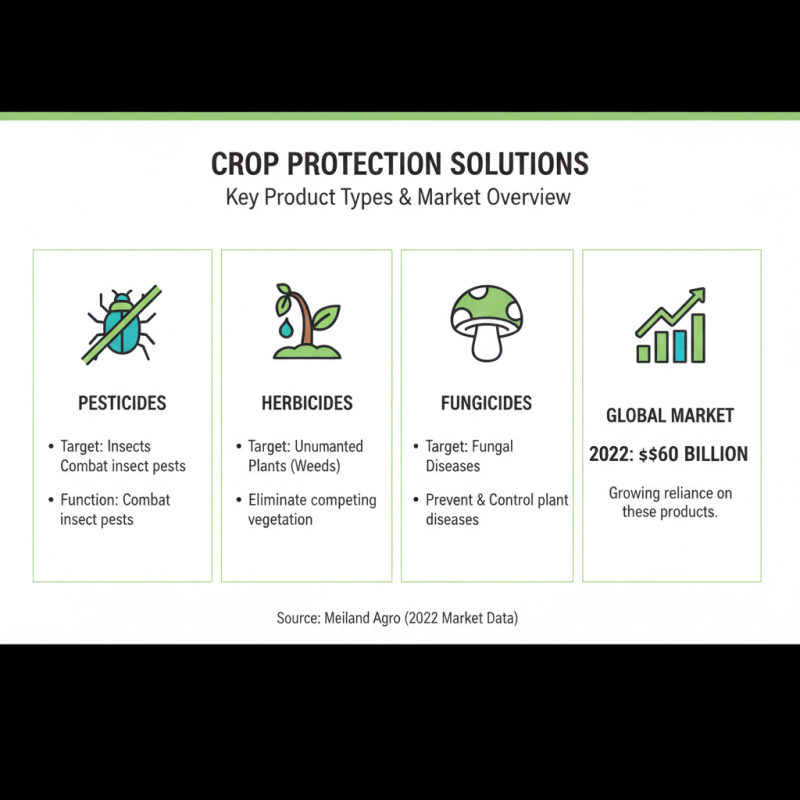
When exploring Crop Protectionsolutions, understanding different types of products is crucial. Pesticides, herbicides, and fungicides each address specific threats. Pesticides combat insects, while herbicides target unwanted plants. Fungicides focus on diseases caused by fungi. In 2022, the global Crop Protection Market reached approximately $60 billion, reflecting the growing reliance on these products.
Farmers often face challenges choosing the right solutions. Not every product yields the same results. Effectiveness varies based on factors such as climate and soil type. Research indicates that using integrated pest management techniques can improve outcomes. This approach combines biological control, cultural practices, and resistant varieties. A 2021 report noted that properly applied Crop Protection Solutions reduced pest impact by over 30%.
Environmental concerns also come into play. Overuse of crop protection products can harm beneficial insects and soil health. Striking a balance is essential. Continuous monitoring and adaptation are needed to ensure sustainability. While crop protection is vital for food security, it demands careful implementation. Addressing these doubts is key to improving agricultural practices.
Evaluating the Efficacy of Various Protection Solutions
When evaluating crop protection solutions, efficacy is vital. Research shows that the right protection can increase crop yields by 20-30%. However, the effectiveness of these solutions varies. Factors like soil type, climate conditions, and crop species can all impact performance. It's essential to test products under specific conditions to ensure they meet the desired outcomes.
A report by the International Society for Horticultural Science indicates that integrated pest management (IPM) strategies often yield better results than single solutions. Using multiple methods can provide more resilience against pests and diseases. Farmers often struggle to find the right balance. Environmental impacts and sustainability must also be considered when making decisions.
Utilizing a Crop Protection Logo can symbolize a commitment to effective solutions. However, not all products bearing such logos guarantee success. It is crucial to analyze data, compare results, and reflect on previous experiences. Some growers might find that what worked last season may not work this year. Keeping an adaptive mindset can lead to greater success in crop protection choices.
Assessing Environmental Impact and Safety of Products
When selecting crop protection solutions, the environmental impact is crucial. Many products contain chemicals that may harm beneficial insect populations. Native pollinators, like bees, can suffer from pesticide exposure. Assessing the safety of a product requires studying its effects on non-target species. A single application can have far-reaching consequences beyond the immediate area.
It's essential to explore alternatives. Organic options often pose fewer risks to the environment. However, they may not always provide the same level of effectiveness as synthetic products. Farmers frequently face difficult decisions, balancing crop health and ecological integrity. Moreover, not all products are clear about their environmental impact. Transparency is often lacking in the Crop Protection Market.
Careful evaluation is necessary. Research ecological effects before choosing a solution. Some chemicals, while effective, can persist in the environment for long periods. This persistence can lead to soil degradation and water quality issues. Understanding the lifecycle of these products helps in making informed decisions. Ultimately, the goal should be to protect crops while preserving the planet.
How to Choose Effective Crop Protection Solutions? - Assessing Environmental Impact and Safety of Products
| Product Type | Active Ingredient | Environmental Impact | Safety Considerations | Efficacy Rating |
| Herbicide | Glyphosate | Moderate | Use with caution; avoid runoff | 8/10 |
| Insecticide | Imidacloprid | High | Highly toxic to pollinators | 7/10 |
| Fungicide | Chlorothalonil | Moderate | Risk to aquatic life | 6/10 |
| Biopesticide | Bacillus thuringiensis | Low | Generally safe for beneficial insects | 9/10 |
| Herbicide | Paraquat | Very high | Highly toxic to humans and animals | 5/10 |
Considering Integrated Pest Management (IPM) Strategies
Integrated Pest Management (IPM) is a holistic approach to pest control. It promotes sustainable agriculture while minimizing environmental impact. Farmers need to understand their ecosystems. They should monitor pest populations and identify their natural enemies. This knowledge is crucial for effective management.
Using multiple strategies is essential in IPM. Cultural practices can reduce pest outbreaks. Crop rotation disrupts pest life cycles. Planting resistant varieties also helps. Biological control employs beneficial insects. These strategies may not provide immediate results. It's essential to be patient and observe how ecosystems respond over time.
Chemical solutions should be a last resort. Misapplication can lead to pest resistance and harm beneficial organisms. Farmers should use targeted applications only when necessary. Continuous evaluation is important. This helps in adjusting strategies based on results and maintaining ecological balance. Embracing IPM is a journey, filled with challenges and learning opportunities.
Analyzing Cost-Effectiveness of Crop Protection Options
When evaluating crop protection options, cost-effectiveness is crucial. Farmers often face a choice between chemical and organic solutions. A recent industry report found that organic pesticides can be 20% more expensive than their synthetic counterparts. However, long-term environmental benefits may justify the initial investment.
The analysis of pest management strategies reveals a mixed bag. While synthetic pesticides offer quick results, their impact on soil health can be detrimental. Research suggests that over-reliance on these chemicals may lead to resistance in pests. In contrast, integrated pest management (IPM) approaches can reduce costs by up to 30% over time. Farmers often overlook these options in pursuit of immediate results.
Budget constraints also affect decision-making. Many farmers spend up to 15% of their total operating costs on crop protection. It's vital to balance immediate financial pressures with sustainable practices. While the cheaper solution might seem appealing, the long-term costs of soil degradation or pest resistance could outweigh short-term savings. Exploring diverse methods cultivates resilience and ensures better crop viability.
Staying Updated on Regulatory Changes and Advancements
Staying updated on regulatory changes is crucial in Global Crop Protection. New policies can significantly impact the availability of crop protection solutions. For instance, a recent industry report highlighted that 55% of agribusiness leaders consider regulatory compliance as a top challenge. Adapting to these changes involves regular monitoring of legislative updates.
Technological advancements also play a major role. The global market for precision agriculture is projected to grow from $7 billion in 2021 to over $12 billion by 2025. This surge underscores the need for farmers to remain informed about the latest innovations. Embracing digital tools can facilitate better decision-making in crop management.
However, many farmers struggle with information overload. There’s a wealth of data available, but not all of it is relevant. A significant number often find it challenging to identify reliable sources. Engaging with local cooperatives can provide tailored insights that are aligned with specific farming practices. Seeking out expert opinions might also help navigate complex regulatory landscapes effectively.
FAQS
: The primary aim is to improve daily convenience and enhance user experience.
While many can use it, some may find it challenging. Test it before committing.
Regular cleaning is essential. Check for wear and tear frequently.
Yes, certain functions are tailored to meet varying user needs. Explore them thoroughly.
Identify the problem. Refer to the manual or seek help if needed.
Generally, a limited warranty is provided, but conditions apply. Read the terms carefully.
Many find it straightforward. However, some may need additional time to figure it out.
Yes, certain functionalities may not work perfectly for all. Reflect on your needs before deciding.
Users report mixed experiences. Some value it highly, while others have suggestions for improvement.
It is adaptable, but results may vary depending on the environment. Test it in your space.
Conclusion
Choosing effective Crop Protection Solutions requires a comprehensive approach that begins with identifying common crop pests and diseases. Understanding the various types of crop protection products available is crucial, as it allows farmers to evaluate the efficacy of these solutions in combating specific threats. Additionally, assessing the environmental impact and safety of different products is imperative to ensure sustainable practices.
Implementing Integrated Pest Management (IPM) strategies can enhance the effectiveness of Crop Protection Solutions by combining biological, cultural, and chemical methods. Furthermore, analyzing the cost-effectiveness of various options helps in making informed financial decisions. Lastly, staying updated on regulatory changes and advancements in crop protection technology is essential to ensure compliance and optimize the selection of protection solutions. This multifaceted approach ultimately aims to safeguard crops while promoting sustainable agriculture.

 0551-68500918
  Contact Email
 Contact WhatsApp