0551-68500918 


You know, as the global insecticide marketkeeps growing, folks are flooded with more choices than ever. I recently read a report from Grand View Research, and it said the worldwide Insecticide Market was worth about $14.67 billion in 2022. And get this — it’s expected to grow at around 4.7% each year from 2023 all the way through 2030. No wonder people feel a bit overwhelmed trying to find effective pest solutions!
Experts often stress how important it is to pick the right insecticide for your specific needs. Dr. Sarah Holloway, an entomologist over at Agriculture Innovations, points out that “Understanding the different features of various insecticides is key to getting pest problems under control.” And honestly, with so many options out there—from synthetic chemicals to organic products—it can be tricky to figure out what’s best, especially when you consider how safe, effective, and environmentally friendly each choice is.
And here’s something to keep in mind: there can be downsides too. Using the wrong insecticide or misapplying it can lead to pests becoming resistant over time, which isn’t great when you’re counting on it to work long-term. Industry experts say that making a smart choice requires staying informed and keeping up with how the insecticide market is changing. That way, you can tackle pest issues effectively without sacrificing your values or the environment — it’s all about making the right call for your situation.

When selecting an insecticide, understanding the different types is crucial. Insecticides can be broadly classified into contact and systemic varieties. Contact insecticides act on contact, penetrating the insect’s exoskeleton upon application. This makes them efficient for immediate pest control. However, they may require precise application to ensure effectiveness.
On the other hand, systemic insecticides are absorbed by the plant, making them effective against pests that feed on the foliage. This feature can provide longer-lasting protection. Users should consider the specific pest problem, the surrounding environment, and potential impacts on beneficial insects. It’s important to remember that not all insecticides are safe for every use.
The choice may not always be clear-cut. Some products can harm non-target species, including bees and butterflies. Reviewing labels and understanding their active ingredients can guide your decision. Educating yourself about the potential risks and benefits helps ensure safer use. Each situation is unique, and reflections on past choices can lead to better future decisions.
When dealing with pests, identifying the specific type is crucial. Different insects require different control measures. Start by observing your surroundings. Look for signs of damage. Holes in leaves can indicate leafcutter ants. Tiny droppings might point to bed bugs. Keeping a watchful eye can help you recognize recurring pest issues.
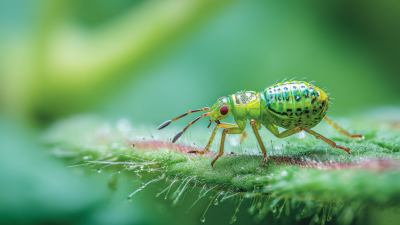
Once pests are identified, research their behaviors and preferred environments. Aphids, for instance, thrive on soft plants. Cockroaches prefer dark, damp areas. Understanding these preferences allows for targeted strategies. It may seem straightforward, but misidentifying a pest can lead to ineffective treatment.
Documentation can be beneficial. Take notes on when and where you see the pests. Photos can also help with identification later on. This step requires patience but pays off in the long run. Whether you’re dealing with ants in the kitchen or flies in the garden, knowing your enemy is half the battle.
When choosing an insecticide, safety and environmental impact are crucial factors. Many products on the Fungicide Market prioritize these aspects. Understanding the ingredients in these products can help you make informed decisions. Look for insecticides that are low in toxicity to non-target species. This ensures a healthier ecosystem.
Here are a few tips:
When choosing between chemical and organic insecticides, consider your specific needs and environmental impact. The Pesticides Market has seen a shift towards organic options, driven by consumer demand. A report from the Environmental Protection Agency indicates that organic insecticides can reduce beneficial insect population damage by up to 30%. This factor makes organic solutions appealing to sustainable gardeners.
Chemical insecticides often boast immediate results, but they come at a cost. A study published in the Journal of Agricultural Research highlights that chemical options may cause long-term soil health issues. While these products may be effective short-term, the repercussions can affect the ecosystem for years. Additionally, over-reliance on chemicals risks developing resistance in pest populations.
Organic insecticides, on the other hand, work differently. They often target specific pests without harming other species. However, these solutions usually require repeated applications. They may not yield instant results like their chemical counterparts. This complexity can lead to a learning curve for users unaware of how to apply them effectively. Balancing pest control efficiency with ecological integrity is crucial for both homeowners and professionals navigating the Pesticides Market.
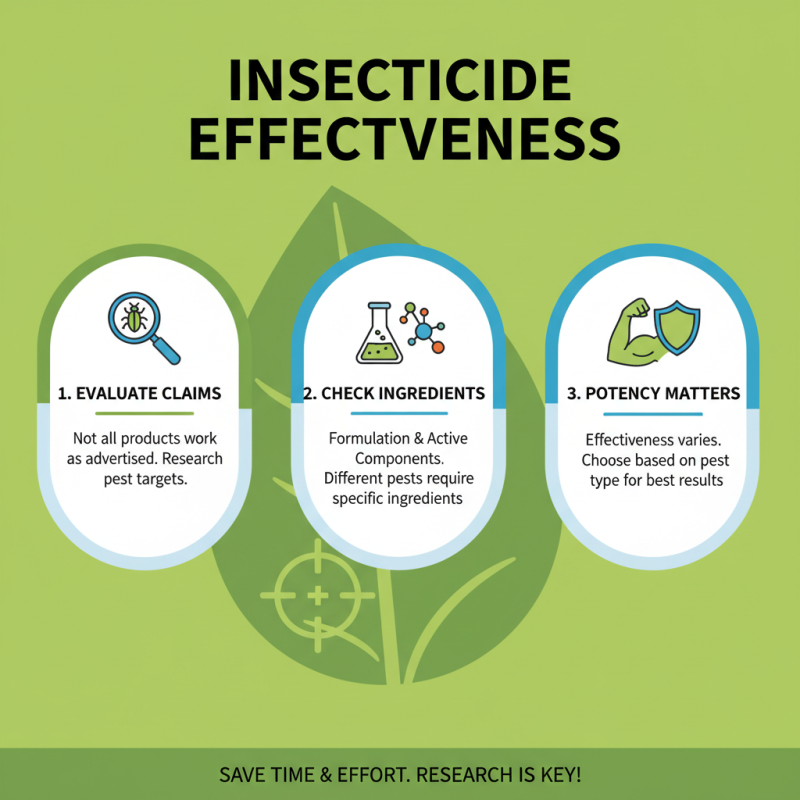
When choosing an insecticide, evaluating its effectiveness is crucial. Different products claim to target numerous pests, but not all live up to expectations. It’s essential to consider the formulation and active ingredients. Some might be more effective against specific insects while others lack potency. Researching these aspects can save time and effort down the line.
Another important factor is the application method. Spray, granules, and bait traps each have unique effects. Some users prefer sprays for immediate results but may find granules offer longer-lasting protection. Understanding how each type works can enhance effectiveness. Take time to read user reviews and expert opinions.
Furthermore, safety should never be overlooked. Many insecticides can pose risks to humans and pets. User feedback often highlights the need for caution. Always prioritize products with clear usage guidelines and proper safety measures. Reflecting on experiences from other users can help in making better choices. Each decision impacts not only pest control efforts but also the environment and home safety.
When selecting an insecticide, application methods can greatly influence effectiveness. A well-chosen method can mean the difference between eradication and ongoing infestations. Factors like pest type, environmental conditions, and target area should guide your choices.
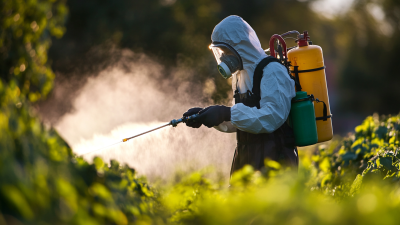
Spray applications are common for broader coverage. Choose nozzles that create fine droplets. This helps the insecticide to adhere to target pests better. For enclosed spaces, fogging can penetrate hard-to-reach areas. Always wear appropriate protective gear. Remember, insects may develop resistance over time.
Tips:
Choosing the right insecticide can be challenging, especially when considering cost and availability. Different regions have various insect climate conditions. This can greatly affect the prices of insecticides. Local availability also plays a significant role. Some insecticides might not be easy to find in certain areas. Researching local stores and online options is crucial.
The cost of insecticides varies widely. Some affordable options may not be effective against stubborn pests. It's critical to assess the effectiveness relative to the price. A higher cost might represent better quality. Conversely, cheaper options might require multiple applications, leading to higher overall expenses. Weighing these factors is essential for making informed decisions.
Farmers should also consider timing. Seasonal trends can impact insect populations. This can ultimately dictate the necessity for certain insecticides. The Herbicides Market may also influence decisions, as trends can shift. Staying informed about industry developments and local agricultural needs is vital. This can help tailor your choices to your specific challenges and budget constraints.
: Focus on safety and environmental impact. Always read labels and look for eco-friendly certifications.
Consider the application method. Some insecticides may harm non-target species.
Yes, testing a small area first helps monitor for adverse effects.
Chemicals might offer quick results but can harm soil health over time.
Organic options may protect beneficial insects while potentially posing fewer long-term risks.
No, organic solutions often require repeated applications for effectiveness.
There’s been a shift towards organic insecticides due to growing interest in sustainable gardening.
Overuse can lead to pest resistance and harm the ecosystem long-term.
Yes, reflecting helps identify safer and more sustainable alternatives over time.
Choosing the right insecticide can enhance or harm local biodiversity.
When choosing the best insecticide for your needs, it's crucial to understand the various types of insecticides available in the market and their specific applications. Start by identifying the pests you need to control, as this will guide your selection process. Consider the safety and environmental impact of the insecticides, comparing chemical options with organic alternatives to find a solution that aligns with your values.
Additionally, assessing the effectiveness of different brands can help narrow down your choices. Pay attention to application methods, as proper usage is essential for achieving optimal results. Lastly, evaluate the cost and availability of these products in the insecticide market, ensuring that your chosen solution is not only efficient but also accessible for your specific requirements.