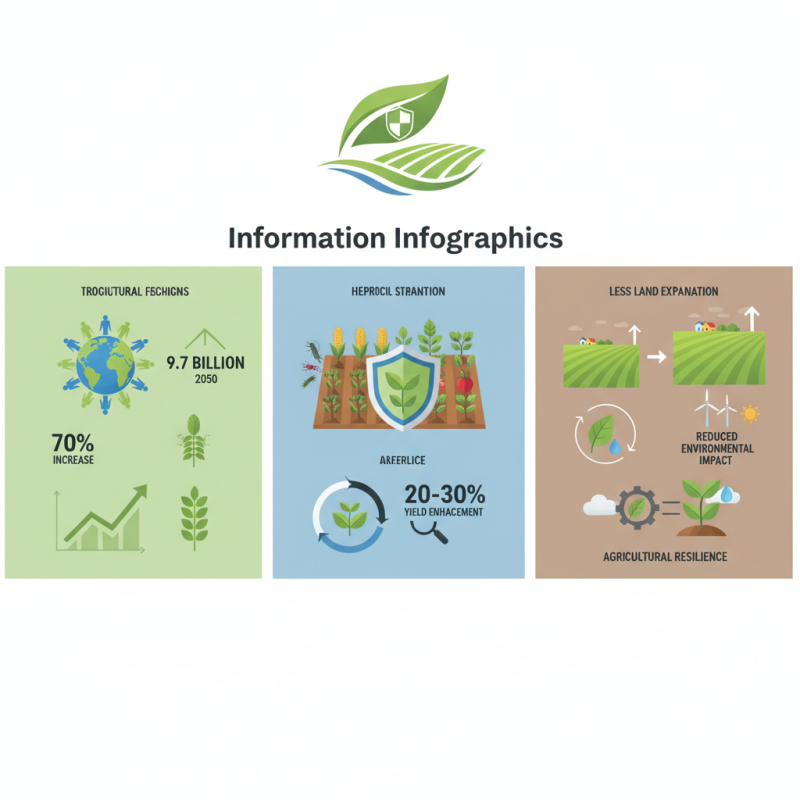
You know, sustainable farming isn’t without its hurdles. One big challenge is managing pests and diseases that can really mess up crop yields. And with the world's population expected to hit around 9.7 billion by 2050, making sure everyone gets enough food is more crucial than ever. The Food and Agriculture Organization (FAO) says we need to boost food production by about 70% to keep up with this growing demand. That’s where Crop Protection Solutions come into play—they’re essential because they give farmers the tools to protect their crops from pests, diseases, and weeds, which, if ignored, can cause serious drops in harvests.
Research from the International Crop Protection Association (ICPA) shows that using smart pest management strategies can bump up crop yields by roughly 20-30%. And it’s not just about higher productivity; these solutions also support more sustainable farming practices. They help cut down the need to clear more land and lessen the environmental footprint of agriculture overall. Moving forward, combining innovative crop protection methods will be key to building resilient farming systems. It’s all about making sure agriculture can keep thriving, even with the climate changing and resources becoming scarcer—things we need to get right for the future.
The Importance of Crop Protection in Sustainable Agriculture
Crop protection plays a vital role in sustainable agriculture by ensuring that crops remain healthy and productive in the face of pests, diseases, and adverse environmental conditions. According to the Food and Agriculture Organization, it is estimated that up to 40% of global crop yields are lost to weeds, pests, and diseases annually. This stark statistic highlights the necessity of effective crop protection solutions in maintaining the viability of farming operations. By integrating crop protection into farming practices, farmers can not only safeguard their yields but also contribute to overall food security, ensuring that growing populations are fed sustainably.
A key aspect of sustainable crop protection is the adoption of Integrated Pest Management (IPM) practices, which combine biological control, cultural techniques, and the judicious use of chemical solutions. Studies indicate that implementing IPM can reduce pesticide usage by 30% while maintaining yield levels. This approach not only lowers the environmental impact of farming but also enhances soil health and promotes biodiversity on farms.
Tips for farmers looking to enhance their crop protection strategies include:
1. Regularly monitor crops for early signs of pest infestations or disease, which allows for timely intervention and potentially minimizes damage.
2. Employ crop rotation and polyculture methods to disrupt pest cycles and enhance resilience against diseases.
3. Utilize natural predators and biopesticides as part of a holistic approach to pest management, reducing reliance on synthetic chemicals and promoting ecological balance.
Understanding the Role of Pests and Diseases in Crop Production
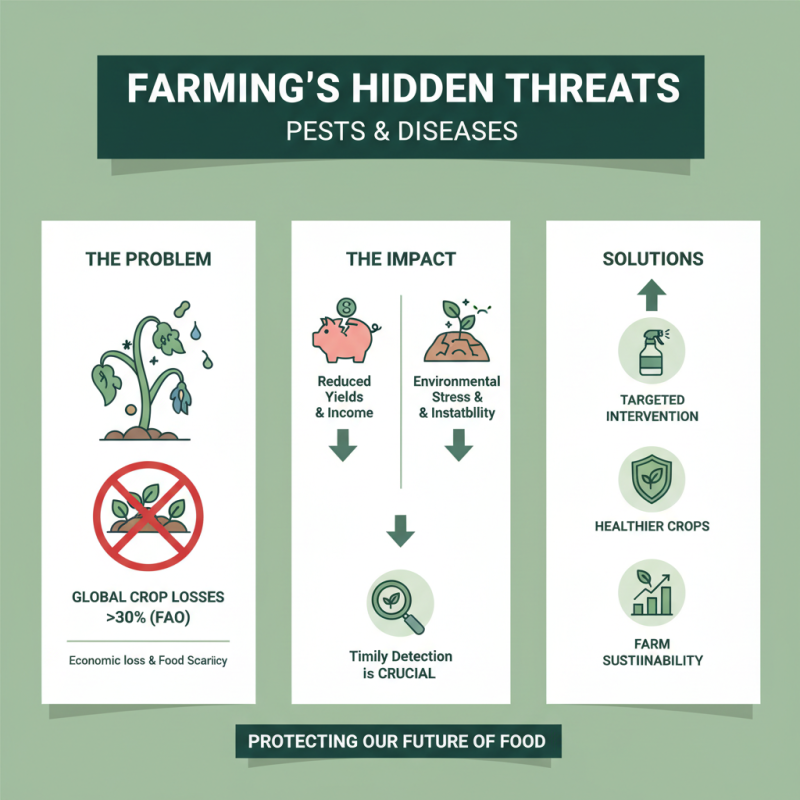
Pests and diseases are formidable adversaries in agricultural production, posing significant threats to crop yields and overall farm sustainability. According to the Food and Agriculture Organization (FAO), crop losses due to pests and diseases can exceed 30% globally, highlighting the urgent need for effective crop protection solutions. Understanding the dynamics of these threats is crucial for farmers aiming to maintain productivity in an increasingly challenging environment. By comprehensively assessing pest populations and disease prevalence, farmers can implement timely and targeted interventions, fostering healthier crops and reducing economic losses.
Moreover, the impact of pests and diseases extends beyond immediate crop damage; they can also disrupt entire agricultural ecosystems. The International Food Policy Research Institute (IFPRI) states that managing pests and diseases can contribute to food security, as healthier crops not only increase yields but also enhance the resilience of farming systems. Integrated pest management (IPM) strategies, which focus on environmentally sustainable practices, play a critical role in mitigating the effects of these biological challenges. By leveraging data-driven insights into pest lifecycle and plant health, farmers can adopt preventive measures that ensure sustainable farming practices while safeguarding their investments.
Types of Crop Protection Solutions Available to Farmers
Crop protection solutions play a critical role in ensuring sustainable farming success by safeguarding crops from various threats such as pests, diseases, and weeds. Farmers have access to a diverse array of crop protection solutions tailored to meet their specific needs. Among these are Chemical Pesticides, which provide effective control against harmful organisms and can significantly enhance crop yields. Additionally, biological control methods utilizing natural predators can offer an eco-friendly alternative, minimizing the use of synthetic chemicals and improving soil health.
Integrated Pest Management (IPM) is another essential approach that combines multiple strategies to optimize crop health. Farmers employing IPM can blend biological, cultural, and chemical practices to create a comprehensive plan that mitigates pest pressure while promoting sustainability. This method not only improves productivity but also aligns with environmental stewardship principles.
Tips: To maximize the effectiveness of crop protection strategies, it’s crucial for farmers to stay informed about local pest populations and emerging threats. Regular monitoring of crops and soil health can help identify issues early, allowing for timely interventions. Additionally, educating oneself about the life cycles of pests and beneficial organisms can enhance decision-making processes in choosing the right protection methods. Implementing these practices ensures a more resilient farming operation, ultimately leading to long-term success.
Types of Crop Protection Solutions Available to Farmers
This chart illustrates the percentage of farmers using various types of crop protection solutions, highlighting the importance of these solutions for sustainable farming success.
Integrating Crop Protection with Sustainable Farming Practices
Integrating crop protection with sustainable farming practices is essential for fostering a resilient agricultural ecosystem. By adopting integrated pest management (IPM) techniques, farmers can combine biological control, cultural practices, and targeted chemical applications to minimize crop losses while maintaining environmental health. This holistic approach not only protects crops from pests but also enhances biodiversity on farms, allowing for a more balanced ecosystem that supports beneficial organisms and pollinators.
Moreover, sustainable farming practices, such as crop rotation and cover cropping, complement effective crop protection strategies. These practices improve soil health and reduce pest pressures by breaking the lifecycle of harmful organisms. By prioritizing soil fertility and employing diverse cropping systems, farmers can create a sustainable environment where crops thrive naturally with reduced dependence on synthetic inputs. The synergy between crop protection and sustainable practices is crucial for achieving long-term agricultural success, leading to healthier crops and fostering the sustainability of farming communities.
Economic Benefits of Effective Crop Protection Strategies
Effective crop protection strategies are vital for maximizing the economic benefits of sustainable farming. According to a report by the Food and Agriculture Organization (FAO), losses from pests and diseases can reduce crop yields by up to 40%, which translates into significant economic impacts for farmers globally. By implementing robust crop protection techniques, farmers can not only safeguard their harvests but also enhance productivity. For instance, investment in integrated pest management (IPM) has been shown to increase yields by 10-25%, while simultaneously reducing pesticide costs by up to 50%, demonstrating a clear economic advantage.
Farmers looking to optimize their crop protection methods should consider a few key tips. First, adopting an IPM approach can ensure better pest control without over-relying on chemical inputs, leading to lower costs and fewer environmental repercussions. Additionally, utilizing real-time data and technology, such as precision agriculture tools, allows farmers to monitor pest incursions and make timely interventions, further reducing crop losses. A study by the U.S. Department of Agriculture indicates that precision agriculture can enhance farm profits by as much as 20%, highlighting the economic viability of smart farming practices.
Furthermore, the collaboration between farmers and agricultural advisors can lead to the development of tailored crop protection plans that cater to specific local challenges. This partnership not only promotes knowledge sharing but also helps in the effective allocation of resources, ensuring that both economic and environmental goals are met. The investment in sustainable crop protection solutions is, therefore, not just a matter of ethics but a strategic economic decision that lays the groundwork for long-term agricultural success.
Environmental Impact of Crop Protection Solutions
Crop protection solutions play a crucial role in promoting sustainable farming by managing the environmental impact of agricultural practices. According to a report by the Food and Agriculture Organization (FAO), effective pest management can lead to a 30-40% reduction in crop losses, thus minimizing the need for additional land conversion and reducing deforestation. This preservation of natural habitats is vital for maintaining biodiversity, as agriculture is one of the leading causes of habitat destruction globally. With integrated pest management (IPM) strategies, farmers can reduce reliance on chemical inputs, which are linked to soil degradation and water contamination, contributing to a healthier ecosystem.
Moreover, implementing sustainable crop protection methods can significantly decrease greenhouse gas emissions. The International Association for Sustainable Agriculture reports that by reducing pest and disease incidences through sustainable approaches, farmers can lower the carbon footprint associated with food production. For instance, crop rotation, biological controls, and the use of resistant crop varieties not only minimize chemical usage but also enhance soil fertility and resilience against climate change. These practices foster a more sustainable agronomy that meets the increasing global food demand while mitigating adverse environmental impacts, thus ensuring the long-term viability of agricultural systems.
Future Trends in Crop Protection for Sustainable Farming
The future of sustainable farming heavily hinges on advancements in crop protection solutions. According to a report from the Food and Agriculture Organization (FAO), the global population is projected to reach 9.7 billion by 2050, necessitating a 70% increase in food production. This challenging scenario underscores the need for innovative crop protection strategies that fit within sustainable farming practices. Recent trends indicate a shift towards integrated pest management (IPM) techniques, which combine biological, cultural, physical, and chemical tools in a way that minimizes economic, health, and environmental risks. By 2025, around 80% of farmers are expected to adopt these sustainability-focused methods, as they not only protect crops but also enhance biodiversity and soil health.
Moreover, technological advancements such as precision agriculture and remote sensing are paving the way for more efficient crop protection. A report by the International Society for Precision Agriculture (ISPA) anticipates that the precision agriculture market will reach $13.5 billion by 2025, growing at a CAGR of 12.2% . These technologies allow farmers to monitor pest populations and plant health in real-time, enabling timely interventions that can significantly reduce pesticide use while maintaining high yields. With the anticipated increase in regulatory pressures and consumer demand for sustainably sourced products, the reliance on data-driven decision-making in crop protection is set to become a standard practice among farmers, ensuring a resilient agricultural future.
FAQS
: Pests and diseases can lead to crop losses exceeding 30% globally, posing threats to crop yields and farm sustainability.
Farmers can assess pest populations and disease prevalence to implement timely and targeted interventions, which can help foster healthier crops and reduce economic losses.
IPM strategies focus on environmentally sustainable practices that mitigate the effects of pests and diseases, contributing to healthier crops and increased resilience in farming systems.
Farmers have access to chemical pesticides, biological control methods using natural predators, and integrated pest management techniques that combine multiple strategies for effective crop health.
Regular monitoring helps identify issues early, allowing for timely interventions which can enhance crop protection and overall productivity.
Practices like crop rotation and cover cropping improve soil health and reduce pest pressures, aligning with effective crop protection methods and fostering a balanced ecosystem.
This integration enhances biodiversity, supports beneficial organisms, improves soil fertility, and reduces reliance on synthetic inputs, leading to long-term agricultural success.
Educating oneself about pest life cycles can improve decision-making when selecting appropriate protection methods and strategies for pest management.
Managing pests and diseases helps ensure food security by promoting healthier crops that can yield more and support resilient farming systems.
The main goals are to safeguard crops from pests, diseases, and weeds while promoting sustainable farming practices that ensure environmental health and long-term productivity.
Conclusion
Crop Protection Solutions play a vital role in ensuring sustainable farming success by safeguarding crops from pests and diseases that threaten agricultural productivity. Understanding the dynamics of these threats is essential for farmers, as they directly impact crop yields and quality. There are various types of crop protection solutions available, ranging from conventional chemical methods to organic alternatives, which can be integrated seamlessly with sustainable farming practices to enhance overall efficacy.
Moreover, implementing effective crop protection strategies not only provides economic benefits by reducing losses but also minimizes environmental impact when managed responsibly. As the agricultural landscape continues to evolve, future trends in crop protection are likely to focus on innovation and sustainability, ensuring that farmers can continue to produce food effectively while preserving the ecosystem for generations to come.

 0551-68500918
  Contact Email
 Contact WhatsApp