0551-68500918 


You know, when it comes to gardening, dealing with pests is kind of a big deal. Surprisingly, the Environmental Protection Agency says that more than 70% of American households use some kind of pesticide. Choosing the right Pesticides Solution can really make a difference—whether it’s boosting your crop yield or keeping your plants healthy. But honestly, a lot of gardeners find this part pretty overwhelming, and it’s easy to get stuck somewhere in the middle.
A recent report from the National Pesticide Information Retrieval System points out that if you don’t use pesticides properly, it can cause environmental issues and even pose health risks. Unfortunately, many folks tend to ignore these concerns. Instead, they often pick products just based on slick marketing, rather than checking if they’re really effective or safe. That’s a pretty big red flag for both beginners and seasoned gardeners alike.
As we take a look at the top 10 Pesticides Solutions, it’s super important to find that sweet spot between getting rid of pests and keeping everything safe. The right choice doesn't just protect your plants; it also helps your garden and the environment thrive. So yeah, it's not just about fixing a pesky problem—it’s about making smart, informed decisions to keep your garden healthy and happy overall.
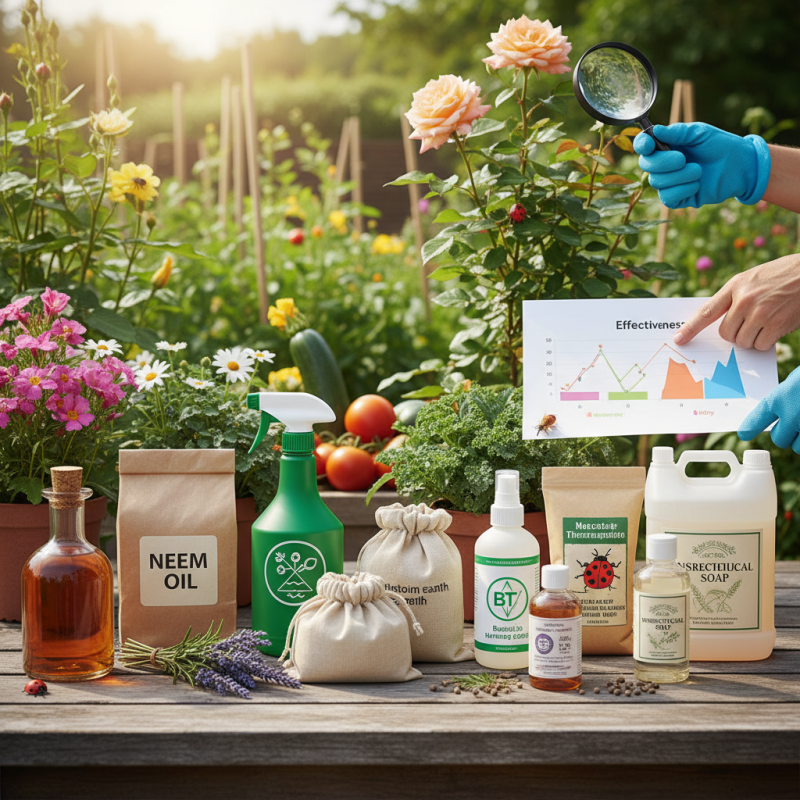
Pesticides play a crucial role in maintaining a healthy garden. They help eliminate pests that threaten plants. Understanding the different types of pesticides is essential for effective use. There are Chemical Pesticides, which include synthetic solutions. These often target specific pests but can impact beneficial insects too.
Organic pesticides are another option. They come from natural sources, making them safer for the environment. Neem oil and diatomaceous earth fall into this category. Each type has its unique advantages and disadvantages. For instance, while a Glyphosate Solution can effectively eliminate weeds, its usage raises concerns about soil health and biodiversity.
When choosing pesticides, one must consider their effects carefully. Over-reliance on any pesticide can create resistant pest populations. This makes pest control harder in the long run. Balancing chemical and organic methods may lead to better results. Each garden is different, and what works for one may not work for another. Understanding these nuances is vital for gardeners seeking to create sustainable environments.
This chart illustrates the effectiveness of various pesticide solutions commonly used in gardens. Each pesticide is scored on a scale of 1 to 10, indicating its effectiveness in pest control.
Using pesticides effectively is vital for garden management. A staggering 30% of plants suffer from pest infestations each year. Without proper pest control, gardens can quickly become unmanageable. Maintaining plant health is not just about fertilizers; it requires an understanding of pest life cycles and behaviors.
Implementing an Insecticide Solution can drastically reduce damage. Studies show that gardens treated with effective pesticides yield 25% more produce than untreated ones. However, choosing the right pesticide is critical. Educating oneself about the active ingredients and their specific targets will help homeowners avoid harm to beneficial insects. It’s essential to recognize that not all pest control options are created equally.
Additionally, there is a need for reflection on pesticide impact. Over-reliance can lead to pest resistance. Integrated pest management strategies may reduce dependence on chemical solutions. Healthy gardens thrive on balance—blending proactive measures with sustainable practices. The ultimate goal is achieving long-term plant health while minimizing environmental impact.
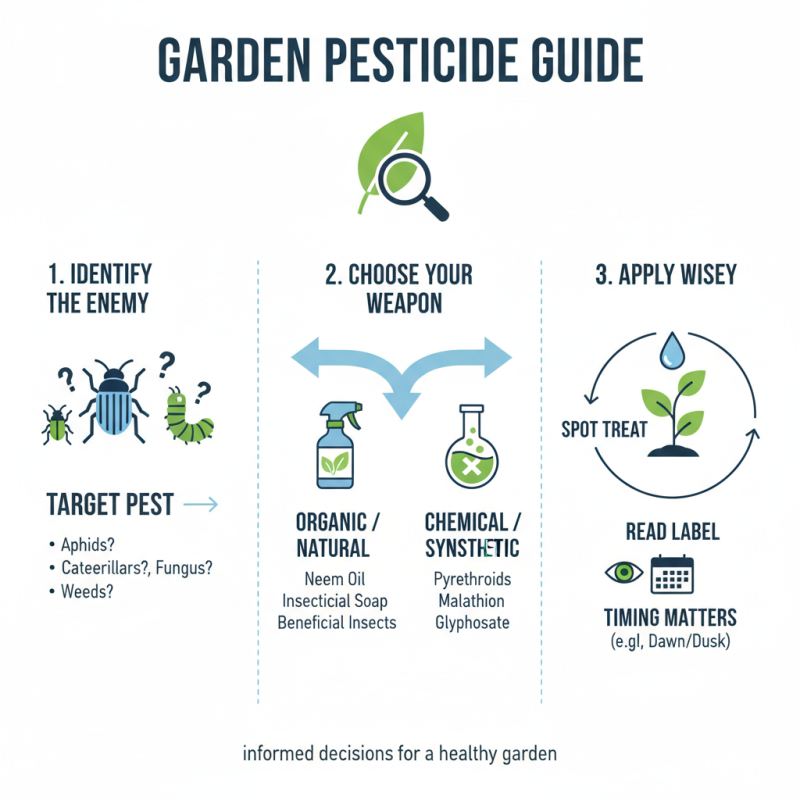
Choosing the right pesticide is vital for your garden’s health. To make informed decisions, consider several criteria. Start with the target pest. Identify what you’re dealing with. Different pests require different treatments. Understanding your enemy is key.
Next, think about the environment. Some pesticides may harm beneficial insects. This can disrupt the ecosystem. Look for options that minimize collateral damage. Read labels carefully. Check for environmental impact ratings. It’s essential to use solutions that align with your garden's needs.
Finally, consider safety for humans and pets. Natural solutions may be safer but less effective sometimes. Balancing effectiveness with safety is a challenge. Some products may promise quick results but can come with risks. Reflect on the potential long-term effects on your garden's health.
Maintaining a healthy garden can be challenging. Pests often invade, ruining plants and flowers. To combat this, gardeners need effective pesticide solutions. Many options exist, but some methods might not be ideal. Overusing chemical pesticides can harm beneficial insects and soil health.
One viable solution is the use of Bio Pesticides. These are derived from natural materials. They target specific pests while preserving the garden's ecosystem. For instance, neem oil is a popular choice. It disrupts insect growth without harming pollinators. Similarly, diatomaceous earth works by dehydrating pests. It's safe for humans and pets but can be a bit messy.
Another approach includes homemade remedies. Simple mixtures, like soap and water, can repel many common pests. However, they require careful application. Some plants might react negatively. It’s essential to test on a small section first. Gardeners should be prepared for trial and error. Understanding what works best in their unique garden environment is crucial. Every garden is different, and what may work in one may not succeed in another.
When using pesticides in your garden, application techniques matter. Proper methods ensure the effectiveness of the treatment. Start by targeting the right areas. Apply pesticides during calm weather to prevent drift. Wind can carry chemicals away from their intended targets.
Timing is crucial. Early morning or late afternoon works best. UV rays can break down chemicals, diminishing their effectiveness. A satisfied gardener knows that reapplication is often necessary. Monitor your plants after application. Look for any signs of pests or disease.
For efficiency, try drip application systems. These can deliver pesticides directly to the plant base. Less product is wasted, and you minimize exposure to beneficial insects. Consider using a backpack sprayer for larger areas. Just remember, safety gear is vital. Always wear gloves and masks to protect yourself.
Keep experimenting with techniques. What works for one garden may not for another. If a method fails, reflect on the conditions. Adjust your strategy based on that knowledge. Gardening is a learning process. There’s always room for improvement. Keep that in mind as you nurture your outdoor space.
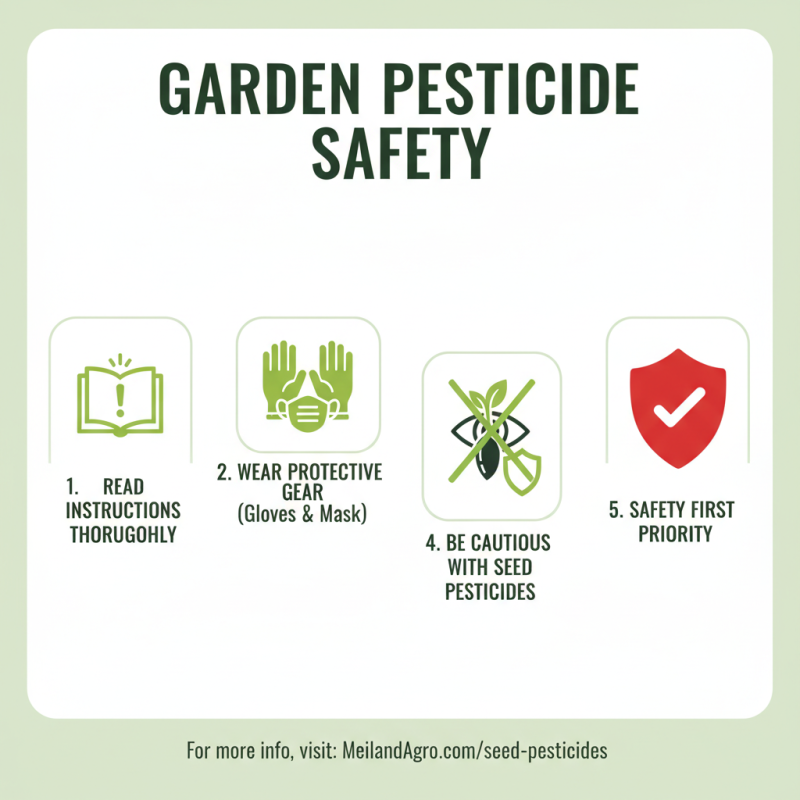
Using pesticides in your garden requires caution. Safety should be your top priority. Always read the instructions thoroughly before application. Wear gloves and a mask to protect yourself. Avoid contact with skin and eyes, especially when applying Seed Pesticides.
Tips: Mix only the quantity you need. Over-application can harm beneficial insects. Always inspect your plants for pests before using any chemicals. You may want to test a small area first. This helps ensure your plants can tolerate the pesticide.
Proper storage of pesticides is crucial. Keep them away from children and pets. Store in a cool, dry place. Dispose of any unused products according to local regulations. Reflection on usage can help minimize risks. Think about alternative pest control methods, like natural solutions. They may prove safer for you and the environment.
Sustainable gardening often means looking for alternatives to chemical pesticides. Many gardeners now seek eco-friendly options to protect their plants. Research from the University of California indicates that 30% of gardeners have switched to organic methods over the past five years. This trend is encouraging, reflecting a growing awareness of environmental impact.
Homemade solutions can be surprisingly effective. For example, a mix of soap and water can deter aphids. Using neem oil, an extract from the seeds of the neem tree, also shows promise. Data suggests it can disrupt pests’ life cycles. Yet, it’s not a cure-all. Improper use may harm beneficial insects. This highlights the need for balance in pest management.
Companion planting is another viable method. Certain plants repel insects naturally. Marigolds are known to deter nematodes. However, some gardeners struggle with plant compatibility. Not every combination works well. Gardeners may face trial and error while finding what benefits their gardens most. Emphasizing education is vital, making learning from mistakes part of the process.
: The content aims to provide valuable information and engage readers effectively.
Readers can take notes and reflect on key points to deepen their knowledge.
Yes, one should avoid making assumptions based on incomplete information.
Cross-reference multiple sources before forming conclusions or opinions.
Personal biases and preconceived notions can affect understanding.
Applying concepts in real-life situations enhances retention and comprehension.
Yes, questioning is a vital part of the learning process.
Taking a break and revisiting the material can clarify understanding.
Absolutely, discussing ideas can provide new perspectives and insights.
It's okay; revisiting later can lead to different insights and reflections.
This article provides a comprehensive overview of effective pesticides solutions for garden management, emphasizing the importance of understanding different types of pesticides. It outlines key criteria for selecting the most suitable pesticides solution for various garden challenges, ensuring optimal pest control while maintaining plant health.
The discussion also includes application techniques to maximize the efficiency of these solutions, as well as essential safety measures to protect both the gardener and the environment during use. Additionally, the article explores sustainable alternatives to chemical pesticides, empowering gardeners to make informed choices that balance effectiveness with ecological considerations. Overall, this guide serves as a valuable resource for anyone looking to enhance their gardening experience through effective pest management.