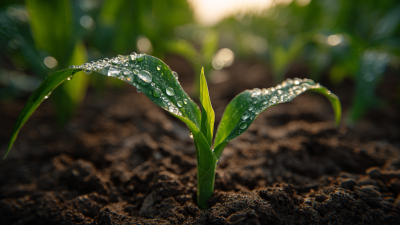
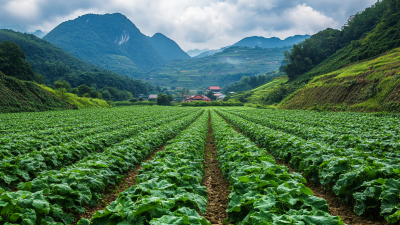
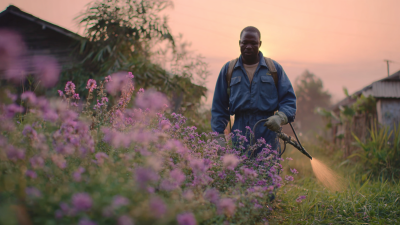
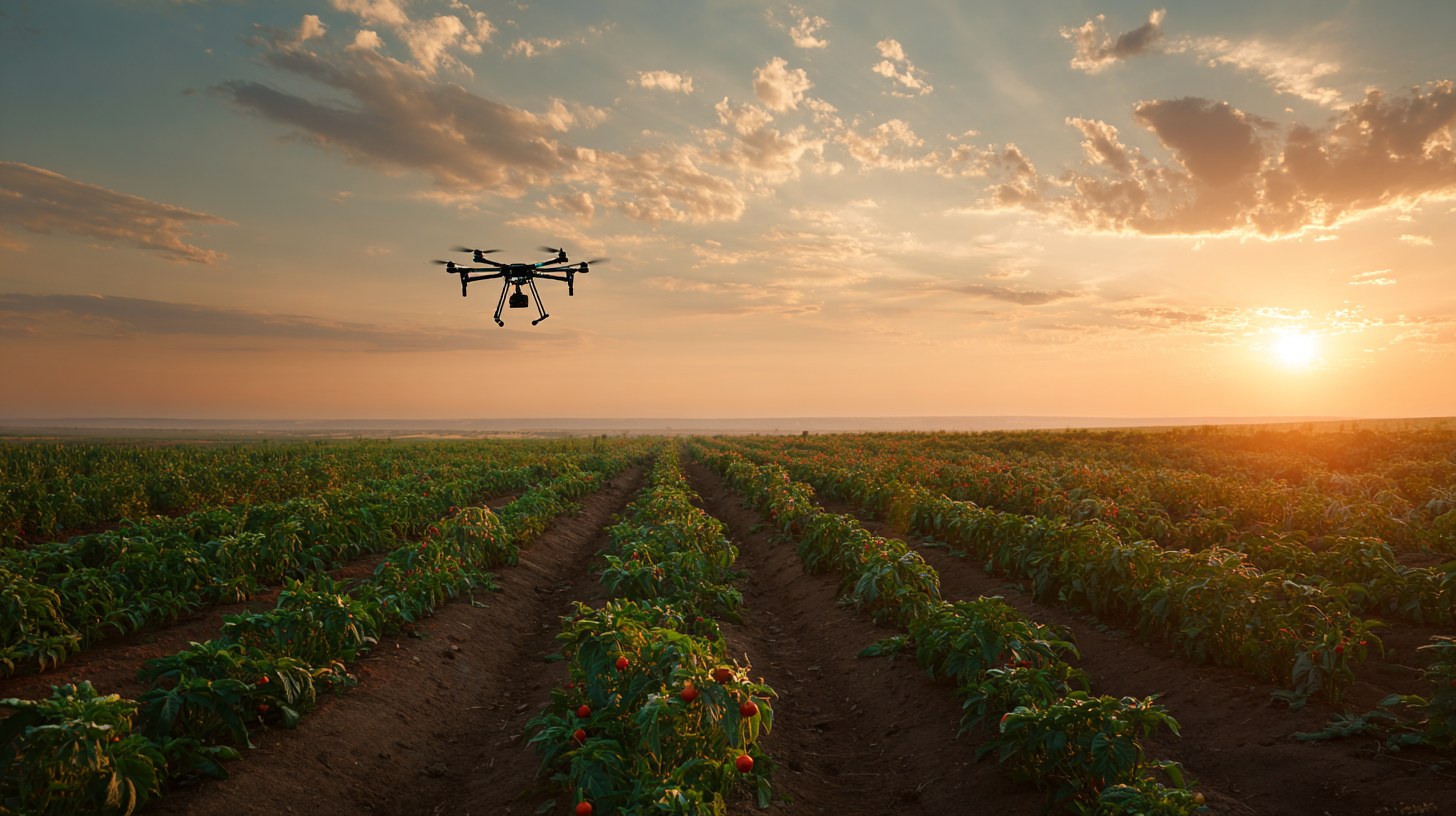
So, as the world's population keeps growing—it's expected to hit around 9.7 billion by 2050 according to the UN—we really need to rethink how we do farming. The push for sustainable practiceshas never been more urgent. Luckily, there are some pretty exciting innovations in Crop Protection right now, helping farmers boost their yields without wrecking the environment. I mean, theFAO warns that if we don’t step up our game in improving productivity and farm management, we could face serious food shortages in the coming decades — pretty alarming, right?
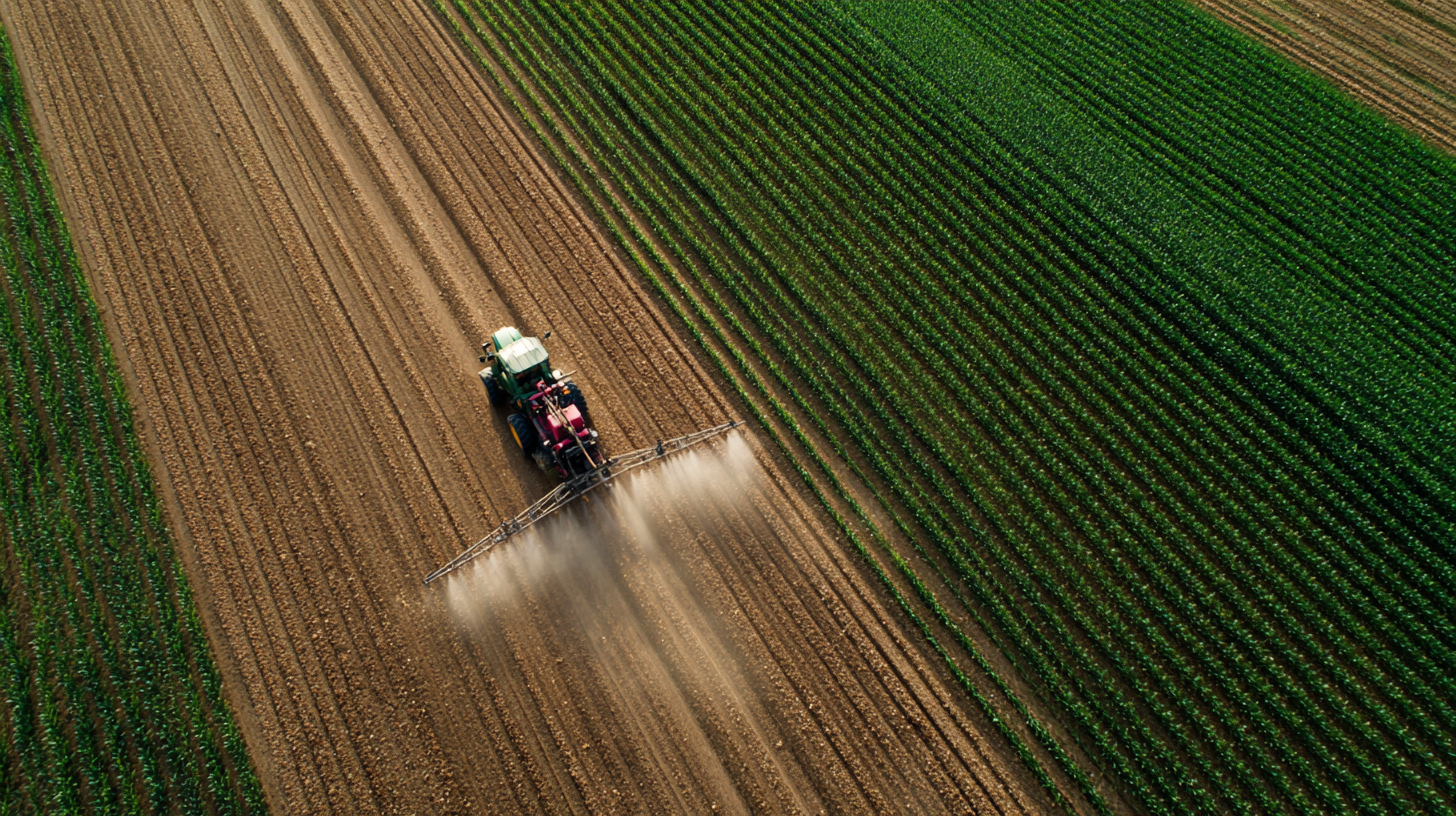
Farmers today face all sorts of tough challenges—think climate change, pests becoming more resistant, and the pressure to cut back on chemical usage. But the good news is, with new tech like precision agriculture, biopesticides, and integrated pest management, they can get smarter about protecting their crops. Big players like Bayer and Syngenta are really pouring resources into R&D to develop sustainable solutions that safeguard crops while also keeping food safe and protecting biodiversity. These efforts aren’t just about boosting yields; they’re also paving the way for a more resilient and sustainable future in farming. It’s pretty inspiring to see how innovation is playing such a key role in all this, don’t you think?
Innovative Technologies in Crop Protection for a Sustainable Future
You know, when it comes to modern farming, some of the coolest advances are happening in crop protection tech. It's such a huge deal, especially if we want to keep things sustainable. I recently read that according to the Food and Agriculture Organization, we’re gonna need to boost global food production by about 70% to feed roughly 9.7 billion people by 2050—no small feat! That really puts a lot of pressure on farmers to get higher yields without hurting our planet too much. Luckily, innovations like biopesticides and smart farming methods are stepping up to help us find that sweet spot between productivity and sustainability.
Take biopesticides, for example — these are made from natural stuff, which is pretty awesome because they’re greener options compared to traditional chemicals. A report from Market Research Future predicts that the global bioPesticides Market will hit around $10 billion by 2025, growing at about 14.4% each year. Not only do they help cut back on synthetic chemicals, but they’re also great for promoting biodiversity and keeping our soil healthy.
And then there’s tech like drones and satellite images that are totally changing the game for farmers. I read that in 2021, investments in agtech hit about $5 billion, showing just how much people are banking on data-driven farming to manage pests and monitor crops better. By embracing these new tools and solutions, farmers can make their crops more resilient, cut down on losses, and help shape a future where farming is more sustainable and less of a gamble. It’s pretty exciting to see how all these things come together, right?
Innovative Crop Protection Solutions for Sustainable Agriculture
This chart illustrates the impact of various innovative crop protection technologies on crop yield improvements in sustainable farming practices over the past five years. The data is gathered from reliable agricultural studies and reports.
Integrating Biopesticides: Sustainable Solutions for Pest Management
You know, more and more farmers are starting to see just how important biopesticides are becoming for sustainable farming practices.According to a recent report from the BioPesticide Industry Alliance, the market for biopesticides is expected to hit about$6 billion by 2024 — that's a pretty solid growth rate of around 15% annually. It's like farmers are waking up to the fact that biopesticides have some serious perks over regular chemical pesticides, like being better for the environment and safer for everything else around us (you know, pollinators, beneficial insects, that sort of thing).
Basically, biopesticides are made from natural stuff — plants, bacteria, minerals — which makes them a much greener option for pest control. They tend to target specific pests, so they don’t mess up the good bugs or the overall ecosystem too much. The EPA even points out that these biopesticides usually aren’t as toxic, making them safer to use on crops and leaving fewer residues behind. All these factors mean that throwing some biopesticides into the mix can help farmers stay environmentally friendly without sacrificing their yield. In fact, research from the Organic Trade Association suggests that adopting these methods could boost crop yields by as much as 20%. Turns out, going green and farming efficiently can go hand in hand more than we might think.
Precision Agriculture: Utilizing Data to Enhance Crop Protection
You know, precision agriculture is really changing the way we farm, all thanks to the power of data. Farmers now use cool tech like satellite images, drones, and soil sensors to get real-time updates about their fields. With all that info, they can get a better grip on how healthy their crops are, what's happening with the soil, and even where pests might be hiding. When they analyze this data, they can figure out exactly when and how to use pesticides or fertilizers — which means less waste and better yields overall.
And it’s not just about boosting productivity — this approach also helps the environment. Because farmers can target their treatments only where needed, it saves resources and cuts down on the risks of overusing chemicals — think soil and water contamination. All in all, this innovative, data-driven way of farming makes ecosystems healthier and can lead to stronger, more sustainable agricultural practices. It’s pretty exciting to see how tech is shaping a more sustainable future for farming, don’t you think?
Reducing Chemical Footprint: The Role of Organic Practices in Farming
These days, the agricultural world is really shifting towards more sustainable ways of farming, and organic practices are at the heart of this change. Did you know that, according to the Food and Agriculture Organization (FAO), going organic can cut down pesticide use by up to half compared to traditional farming methods? That’s pretty huge! Less chemicals mean healthier soil and water, and it also helps boost biodiversity, creating a richer, more resilient ecosystem for future generations?
Farmers are jumping on board more and more, mainly because consumers are craving produce that’s free of chemicals. A study from the Research Institute of Organic Agriculture even shows that organic farming not only improves soil health and fertility over time but can also lead to higher yields. Plus, farmers often get to sell their crops at a premium price because folks are becoming more aware of the benefits of sustainable farming.
If you’re looking to reduce your own chemical footprint, try some integrated pest management (IPM) techniques. Using natural predators or biopesticides can do wonders. Rotating crops and planting cover crops can also really boost soil health and lessen the need for chemical fertilizers. Embracing these organic methods isn’t just good for the planet — it can make farms more resilient, too.
Alternative Approaches: Crop Rotation and Integrated Pest Management
You know, crop rotation and integrated pest management (IPM), as folks call it, are pretty much game changers when it comes to sustainable farming these days. They help boost crop yields without wrecking the environment. So, crop rotation is basically about changing up what you grow in a particular spot over time. It’s like giving the soil a break—helps keep it healthy, cuts down on plant diseases, and keeps pests at bay by throwing off their cycles. Plus, growing different kinds of crops adds to biodiversity, which is like nature’s insurance policy for a more resilient farm ecosystem.
Then there’s IPM, which is all about managing pests in a smarter, more eco-friendly way. It’s not just about spraying pesticides willy-nilly. Instead, it’s a mix of using helpful bugs, planting resistant crop varieties, and only turning to chemicals if absolutely necessary. Farmers keep a close eye on pest levels and decide accordingly. This approach protects useful insects, cuts down on chemical residues on our food, and helps keep things safe and healthy. Overall, both practices are great for helping farmers produce lots of food while doing right by our planet for future generations. It’s about working smarter, not harder, and really caring for the land we all depend on.
The Future of Farming: Advancements in Sustainable Crop Protection Methods
Looking ahead, farming is really starting to become more connected with new, sustainable methods that focus on both protecting the environment and keeping farms productive. Stuff like integrated pest management (IPM), natural pesticides, and precision farming aren’t just helping crops stand strong against bugs and diseases—they’re also making farming more eco-friendly. Things like using natural predators and rotating crops help cut down on the need for chemical sprays, which means healthier soil and ecosystems overall.
And let’s not forget how much technology is shaking things up. Farmers now have access to data-driven tools that help them make smarter decisions. Drones and remote sensing gadgets, for example, let farmers keep a close eye on pests and crop health from afar, so they can step in just in time to protect yields and save resources. As more farms start adopting these greener practices, it’s setting the stage for a complete makeover of how we grow food—one that’s better for the planet, supports biodiversity, and tackles climate change.
In the next ten years, I honestly think we’re gonna see a pretty big shift towards these innovative crop protection techniques. It’s like we’re on the cusp of a whole new chapter in farming—more responsible, more sustainable, and honestly, a bit more exciting too.
FAQS
: The main goal is to address the challenges of modern agriculture by maximizing crop yields while minimizing environmental impacts, especially in the context of increasing global food production needs.
The global biopesticides market is anticipated to reach approximately USD 10 billion by 2025, growing at a compound annual growth rate (CAGR) of 14.4%.
Biopesticides are derived from natural materials like plants, bacteria, and minerals. They provide an eco-friendly alternative for pest management by specifically targeting pests and minimizing harm to beneficial insects, thereby promoting biodiversity.
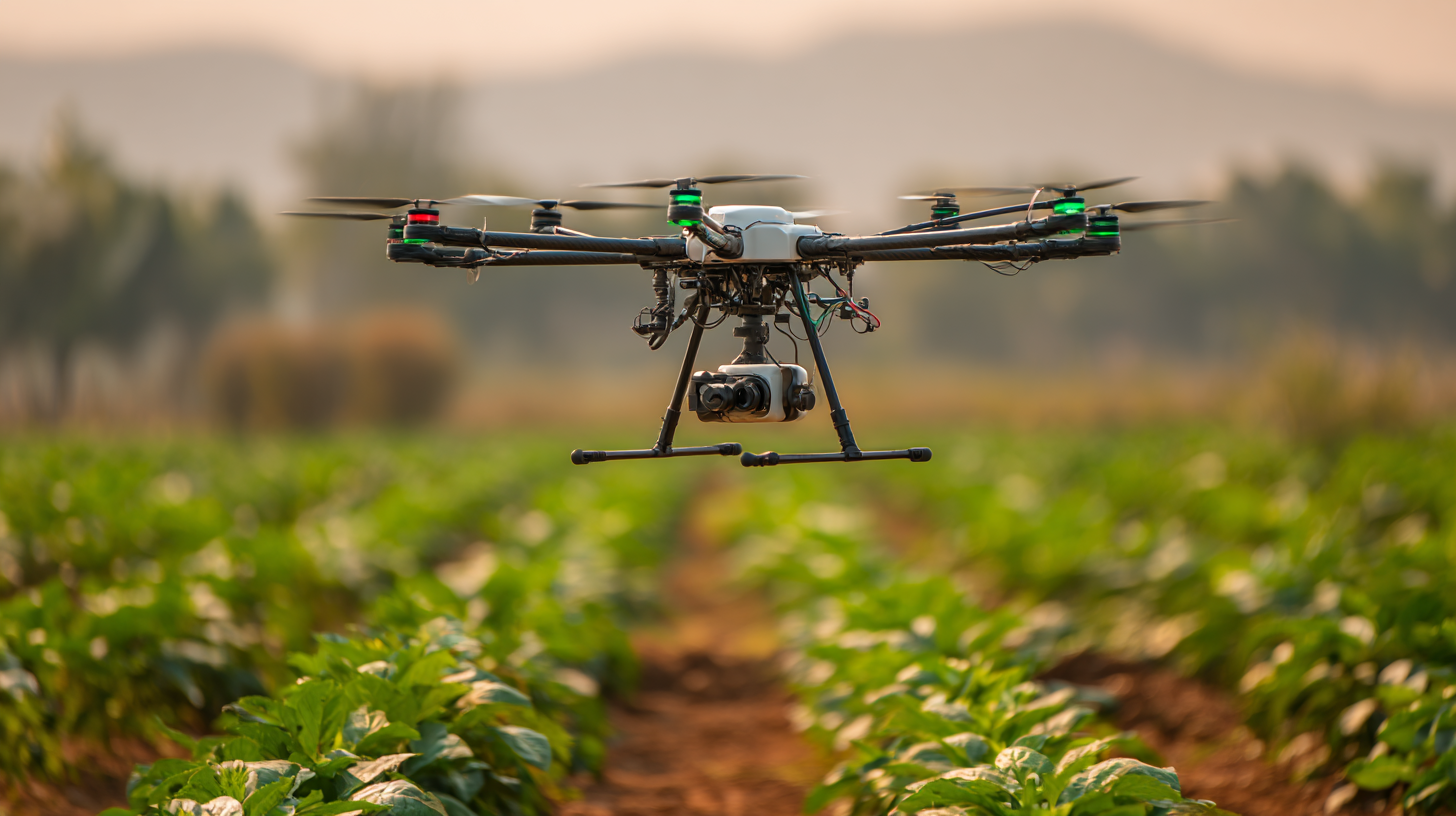
Technology like drones and satellite imaging enables farmers to monitor crop health and pest populations accurately, allowing for timely interventions that enhance crop resilience and conserve resources.
Integrating biopesticides can lead to reduced environmental impact, enhanced safety for non-target organisms, and potential yield increases of up to 20%, aligning sustainability with agricultural efficiency.
Practices such as integrated pest management (IPM), bio-based pesticides, and precision agriculture are being employed to enhance crop resilience and reduce the ecological footprint of farming.
Precision agriculture utilizes data-driven insights to enable informed decision-making for monitoring pest populations and crop health, which helps in safeguarding yields while promoting resource conservation.
There is a growing recognition of the need for sustainable practices to ensure food security, promote biodiversity, and combat climate change while maintaining agricultural productivity.
Investment in agricultural technology reached USD 5 billion in 2021, indicating a shift towards data-driven approaches for pest management and crop monitoring.
The adoption of these solutions is expected to revolutionize agricultural systems, ensuring food security, promoting biodiversity, and addressing climate change challenges in the next decade.
Conclusion
The article titled "Empowering Sustainable Agriculture: Innovative Crop Protection Solutions for Modern Farming" really dives into the key advances happening in crop protection that are so important for sustainable farming. It talks about a bunch of cool new technologies, like biopesticides, which are eco-friendly options for dealing with pests. There’s also a big focus on precision agriculture—using data and technology to make crop protection more efficient—and organic practices that help cut down on chemical use. Plus, it goes into other methods like crop rotation and integrated pest management, offering a well-rounded look at how farmers can protect their crops in a sustainable way.
On the company side, Innovation Meiland (Hefei) Co., LTD. is right in the thick of things. They’re all about developing new, advanced pesticide products and formulations. Their mission lines up perfectly with the article’s message—using innovation to help farmers fight pests effectively while also caring for the environment. By adopting these new approaches, farmers can better protect their crops and support a healthier planet. It really feels like we’re moving toward a future where agriculture and sustainability go hand in hand.

 0551-68500918
  Contact Email
 Contact WhatsApp