Pesticides are pretty much a cornerstone of modern farming. Without them, keeping up with the world's growing food needs would be a huge challenge. The Food and Agriculture Organization (FAO) estimates that pests and diseases can cause up to 40% of crop losses—that really underscores just how vital pesticides are in keeping our food supply steady. As global food demands keep climbing, using pesticides effectively is more important than ever to protect crops from all kinds of threats that could hurt yields.
Dr. Emily Carter, an agricultural scientist at the Institute of Pesticide Research, puts it simply: "The importance of pesticides can't be overstated; they're crucial tools for farmers trying to safeguard their crops and keep food supplies stable." Her words really hit home, especially when you look at the data from the National Agricultural Statistics Service, which shows that good pest management not only improves the quality of produce but also helps farmers stay financially afloat. Incorporating pesticides into modern farming is actually a pretty good example of how science and tech can work together to tackle the big challenges farmers face today—doing so in a way that supports sustainable agriculture.
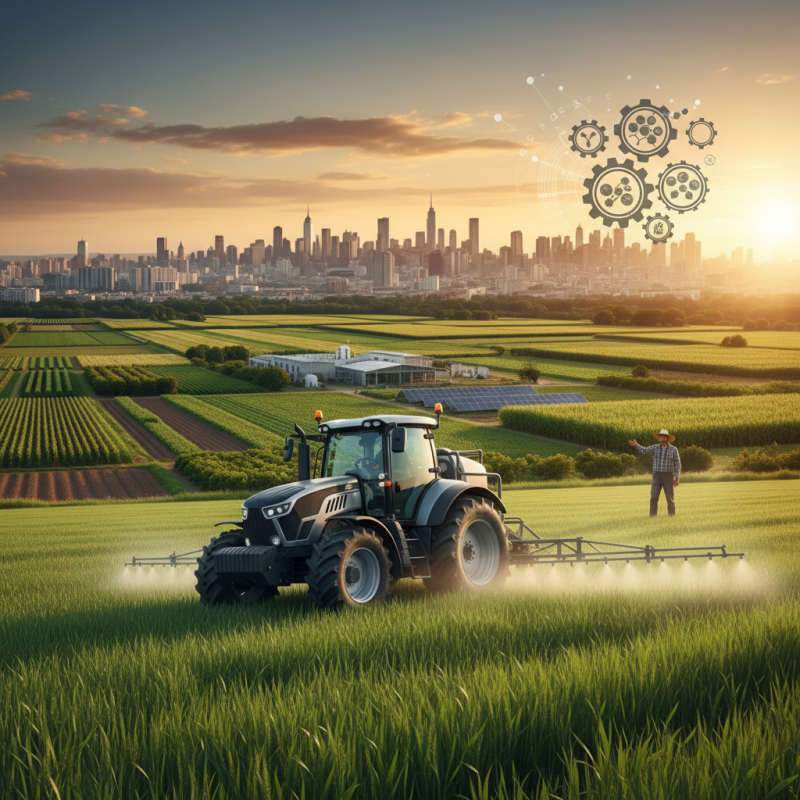
Understanding the Role of Pesticides in Agricultural Practices
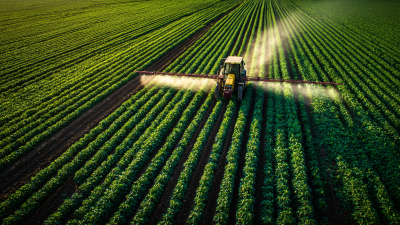
Pesticides play a crucial role in modern agricultural practices by safeguarding crops from pests, diseases, and weeds. Their application is essential for enhancing crop yield and ensuring food security in a world with an ever-increasing population. These substances are classified into various categories, such as insecticides, herbicides, and fungicides, each tailored to target specific agricultural threats. By effectively managing these threats, pesticides help maintain healthy and productive crops, which are vital for sustaining agricultural economies.
Furthermore, the integration of pesticides into farming practices complements other agricultural techniques, such as crop rotation and organic farming, creating a more resilient agricultural system. By utilizing pesticides judiciously, farmers can minimize crop losses, reduce the need for land expansion, and lower the environmental impact of agriculture. Additionally, advancements in Pesticide Formulation and application technologies have made it possible to use these chemicals more efficiently, allowing for precise targeting and reduced waste, ultimately promoting a more sustainable approach to food production.
Types of Pesticides and Their Specific Uses in Crops
Pesticides play a critical role in modern agriculture by managing pests and diseases that can jeopardize crop yields. Understanding the various types of pesticides and their specific uses is essential for farmers aiming to maximize productivity while maintaining environmental integrity. Broadly, pesticides can be categorized into four main types: insecticides, herbicides, fungicides, and rodenticides.
Insecticides are specifically designed to control insect populations that can damage crops. Various formulations target different life stages of insects, helping to minimize crop loss and ensure healthy harvests.
Herbicides, on the other hand, are crucial for controlling unwanted weeds that compete for nutrients, water, and light. By effectively managing weed populations, herbicides allow crops to thrive without competition, thus enhancing yields.
Furthermore, fungicides are essential in preventing and treating fungal infections that can devastate crops, while rodenticides help mitigate damage from rodents, safeguarding the integrity of agricultural produce.
Each type of pesticide is tailored for particular challenges faced in farming, promoting optimal growth and sustainability in agriculture. The careful selection and application of these chemicals ensure the health of crops, enabling farmers to meet the increasing demands for food while managing their ecological footprints.
How Pesticides Contribute to Crop Yield and Quality
Pesticides play a crucial role in enhancing both crop yield and quality, serving as an indispensable tool for modern agriculture. By effectively managing pests, diseases, and weeds, pesticides help ensure that crops can withstand various biotic stresses. This is particularly important in an era where climate change and global food demand present increasing challenges to food production. The timely application of pesticides can significantly reduce the losses from pest-related damage, thereby maximizing yield potential.
Furthermore, the use of pesticides can contribute to the overall quality of crops. By minimizing the incidence of diseases and fungal infections, pesticides help preserve the integrity of the crops, resulting in healthier produce that meets both market standards and consumer expectations. Additionally, pest control through pesticides can lead to improved storage life and reduced spoilage, which adds value to agricultural products. As a result, farmers can achieve higher profit margins while ensuring a stable supply of high-quality food to meet the needs of a growing population.
Pesticides and Sustainable Agriculture: Balancing Productivity and Health
In modern agriculture, the use of pesticides plays a critical role in enhancing productivity while also addressing the need for sustainability. According to a report by the Food and Agriculture Organization (FAO), globally, crop losses due to pests and diseases can exceed 40%, which directly impacts food security. Pesticides are essential for managing these threats, enabling farmers to protect their crops and ensure a stable food supply. However, the challenge lies in balancing the effective use of these chemicals with the health and environmental impacts they may pose.
Sustainable agriculture emphasizes not only the importance of productivity but also the health of ecosystems and human populations. Integrated Pest Management (IPM) strategies, which incorporate the use of pesticides along with biological controls and cultural practices, have been shown to reduce pesticide usage by up to 50% while maintaining crop yields. A study by the National Academies of Sciences highlights that when IPM is effectively implemented, it can result in less chemical runoff, reduced harm to beneficial insects, and improved soil health. This approach represents a path towards achieving sustainability in farming, harmonizing productivity with the imperative of safeguarding human health and the environment.
The Essential Functions of Pesticides in Modern Agriculture
This chart illustrates the various essential functions of pesticides in modern agriculture. The data represents the percentage of farmers utilizing pesticides for specific purposes such as pest control, disease management, and weed control.
Addressing Pesticide Resistance: Challenges and Solutions
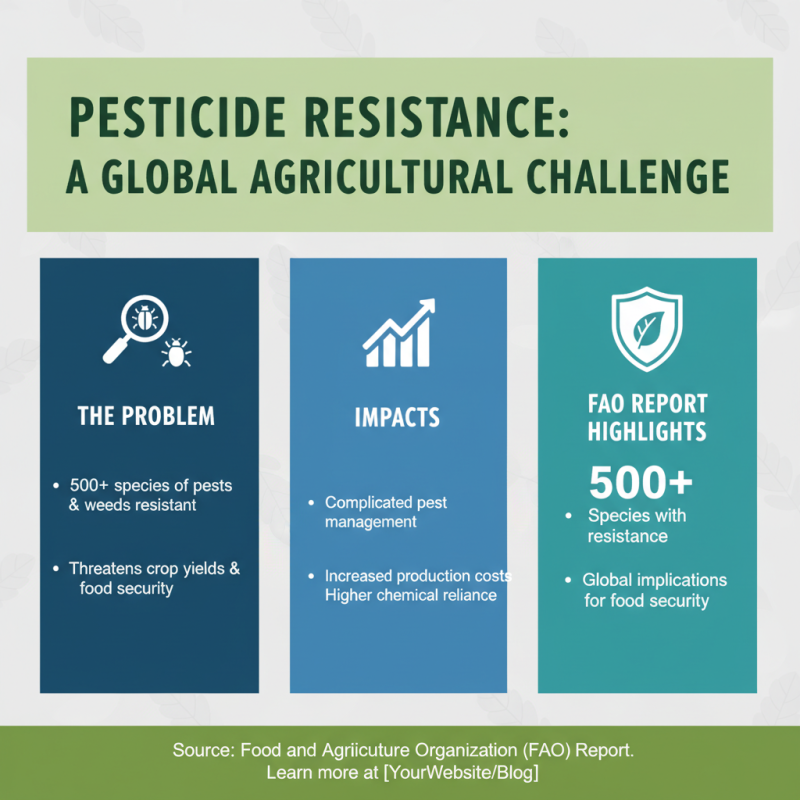
Pesticide resistance has emerged as a significant challenge in modern agriculture, threatening crop yields and sustainable farming practices. According to a report from the Food and Agriculture Organization (FAO), over 500 species of pests and weeds have developed resistance to one or more commonly used pesticides, which has significant implications for global food security. The issue not only complicates pest management strategies but also leads to increased production costs for farmers who must resort to alternative control methods or higher dosages, further exacerbating reliance on chemical inputs.
Addressing pesticide resistance requires an integrated approach that combines various strategies to minimize and manage resistance development. Crop rotation, intercropping, and the use of biological control agents are essential components in this multi-faceted strategy. The International Service for the Acquisition of Agri-biotech Applications (ISAAA) has noted that adopting genetically modified crops with pest resistance traits can reduce the need for Chemical Pesticides and thus slow the rate of resistance development. Additionally, educating farmers on the importance of adhering to recommended application practices and rotating pesticide classes can help preserve the effectiveness of existing products, ultimately contributing to a more sustainable agricultural system.
Regulatory Framework Governing Pesticide Use in Agriculture
The regulatory framework governing pesticide use in agriculture is essential for ensuring that these products are applied safely and effectively. Various governmental agencies are responsible for overseeing the registration and approval processes for pesticides, which include rigorous assessments of their safety and efficacy. These assessments consider potential environmental impacts, human health risks, and the effects on non-target organisms. The aim is to strike a balance between agricultural productivity and ecological sustainability.
In addition to pre-market evaluations, regulations often dictate the labeling, usage instructions, and disposal methods for pesticides. This comprehensive approach not only helps farmers apply pesticides responsibly but also educates them on Integrated Pest Management (IPM) strategies, which promote sustainable agricultural practices. Continuous monitoring and re-evaluation of approved pesticides ensure that new scientific data can lead to timely updates in regulations, thereby protecting consumers and the environment from potential harm. The dynamic nature of these frameworks reflects both advancements in agricultural science and the increasing importance of sustainability in farming practices.
Environmental Impact of Pesticides: Risks and Mitigation Strategies
The use of pesticides in modern agriculture plays a critical role in enhancing crop productivity and protecting food security. However, the environmental impact of pesticide application raises significant concerns. Chemicals used to control pests can contaminate soil, water, and non-target organisms, leading to biodiversity loss and disruption of ecosystems. The runoff of pesticides into waterways can harm aquatic life and pose risks to human health through water contamination.
To mitigate these environmental risks, integrated pest management (IPM) strategies are increasingly being employed. These strategies emphasize the use of a combination of biological, cultural, and mechanical controls, alongside chemical applications, to minimize the reliance on pesticides. Additionally, adopting precision agriculture practices allows for targeted application of pesticides, reducing the amount needed and minimizing off-target effects. Promoting organic farming practices and the use of biopesticides can also contribute to reducing the environmental footprint of pesticide use while maintaining agricultural productivity. By implementing these mitigation strategies, the agricultural sector can work towards a more sustainable future while balancing the need for pest control and environmental protection.
FAQS
: Pesticides are essential in agriculture as they protect crops from pests, diseases, and weeds, enhancing crop yield and ensuring food security.
Pesticides help manage pests and diseases, significantly reducing losses and maximizing the potential yield of crops in response to challenges such as climate change.
Yes, pesticides can improve the quality of crops by minimizing diseases and fungal infections, preserving their integrity and contributing to healthier produce.
Pesticides are categorized into insecticides, herbicides, and fungicides, each designed to target specific threats to crops.
When used judiciously, pesticides help minimize crop losses, reduce the need for land expansion, and lower the environmental impact, promoting sustainability.
Technological advancements have improved pesticide formulations and application methods, allowing for more efficient use, precise targeting, and reduced waste.
By effectively managing agricultural threats, pesticides ensure a stable supply of high-quality food, meeting the needs of a growing population.
Pesticides can complement other agricultural techniques, such as crop rotation and organic farming, by creating a more resilient agricultural system.
By improving crop yield and quality, pesticides enable farmers to achieve higher profit margins and reduce spoilage during storage.
Timely application is crucial for minimizing pest-related damage and maximizing yield potential, especially given the increasing global food demand.
Conclusion
The article "The Essential Functions of Pesticides in Modern Agriculture Explained" explores the critical role that pesticides play in farming today. It highlights the diverse types of pesticides available, detailing their specific applications for various crops and how they enhance both yield and quality. A significant aspect discussed is the Function of Pesticides in promoting sustainable agricultural practices, balancing increased productivity with health considerations.
Moreover, the article addresses the challenges of pesticide resistance and outlines potential solutions for farmers to mitigate this issue. It also emphasizes the regulatory framework that governs pesticide use, ensuring safety and compliance. Lastly, the environmental impact of pesticides is examined, along with strategies for risk mitigation to safeguard ecosystems while maintaining agricultural effectiveness. This comprehensive overview underscores the necessity of responsible pesticide use in modern agriculture.

 0551-68500918
  Contact Email
 Contact WhatsApp