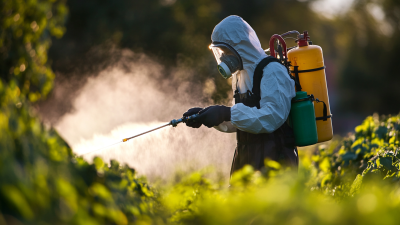
Picking the right insecticide or pesticide for your garden really matters if you want effective pest control and a more sustainable gardening setup. Did you know that, according to the Food and Agriculture Organization (FAO), pests are responsible for about $220 billion worth of crop losses worldwide every year? That just shows how crucial it is to have reliable insecticides to protect your hard-grown plants and investments. On that note, Innovation Meiland (Hefei) Co., LTD. is leading the charge with new, innovative pesticide formulas that don’t just fight pests—they also stay true to environmental safety standards.
Their expert team, based in Hefei, China, is all about creating high-quality solutions that tackle different pest problems. As more gardeners aim for eco-friendly options, understanding the ins and outs of insecticides becomes super important—not just for your plants’ health but for keeping the environment balanced too.
Understand the Different Types of Insecticides Available for Garden Use
When you're trying to pick the right insecticide for your garden, it’s really helpful to understand the different kinds out there, plus how they affect both your plants and the environment. Generally, insecticides fall into two main categories: synthetic and natural. Synthetic ones tend to be pretty effective against a whole bunch of pests, but they can also be risky for good bugs like bees and can mess with the local ecosystem. On the flip side, natural insecticides—those made from plant extracts or biological sources—are a much friendlier option. They usually do the job while causing less harm to other beneficial creatures.
Funny thing is, the global market for home and garden pesticides is booming. Experts say it’s going to jump from about $9.3 billion in 2025 to over $13.5 billion by 2033. People are clearly wanting pest control methods that work well but are also safe and environmentally friendly. Plus, keeping updated on which chemicals are actually used—thanks to recent databases—can help gardeners make smarter choices, especially if they’re aiming for sustainable gardening. So, by choosing the right insecticides and knowing what’s in them, you can keep your plants healthy while also being kind to Mother Earth.
Insecticide Effectiveness in Home Gardens
This chart illustrates the effectiveness of various types of insecticides commonly used in home gardens. The data represents a survey of gardeners who rated the effectiveness of each type of insecticide on a scale from 1 to 10, with 10 being the most effective.
Identify the Specific Pests You Need to Target in Your Garden
Figuring out exactly which pests are bugging your garden is super important before you pick out any insecticide or pesticide. You’ll want to take some time to really watch your plants—look for telltale signs like holes in the leaves, sticky residue, or weird discoloration. Different pests like aphids, spider mites, and caterpillars all show up with their own unique symptoms, so spotting what’s what can save you a lot of hassle. Getting it right not only means you choose something that works but also helps protect those helpful bugs that keep your garden healthy.
Once you’ve identified the pest, it’s a good idea to do a little homework on its life cycle and habits. Some pests are only easy targets during certain stages, while others might need different approaches depending on what they’re up to. Knowing this stuff can really help you pick a targeted insecticide that effectively breaks the pest’s life cycle without harming the rest of your garden. And honestly, going for a broad-spectrum pesticide all the time can wipe out beneficial insects, which isn’t ideal. So, focusing on specific pests makes your pest control way more eco-friendly and sustainable—win-win, right?
Evaluate the Active Ingredients in Your Chosen Pesticide
Choosing the right insecticide for your garden isn't just about picking any spray off the shelf. It’s really important to understand what’s inside—those active ingredients are what actually make the product effective against pests. Did you know that, according to the EPA, about 75% of pesticide-related issues come from people misusing or not fully understanding these ingredients? So, yeah, knowing what you’re applying is a big deal, both for your garden’s health and your own safety?
When you’re checking out labels, try to find active ingredients that have a solid track record for tackling the pests you’re dealing with. For example, pyrethroids—derived from chrysanthemum flowers—are pretty effective against a bunch of insects. But here’s the catch, they can also impact helpful bugs. The OECD even points out that some synthetic pyrethroids, if not used carefully, can harm pollinators like bees. So, it’s a bit of a balancing act.
Another thing to consider is how long these ingredients stick around in the environment. Shorter-lived ones tend to be less harmful to good insects and break down faster, which means less risk of runoff into your waterways. Make sure to read the instructions carefully—following proper application methods can really help minimize any negative effects. Getting a handle on these details not only helps you make smarter choices but also keeps your garden ecosystem healthier and happier.
Consider the Environmental Impact of Your Insecticide Choice
When you're choosing an insecticide or pesticide for your garden, it's really important to think about how it might affect the environment. I read somewhere that, according to the Food and Agriculture Organization (FAO), more than 2.5 million tons of pesticides are used around the world every year. That’s a huge number, and it can seriously impact biodiversity and the health of our ecosystems. Plus, these chemicals don’t just disappear—they can build up in soil and water over time, causing long-lasting ecological damage. Not to mention, they can pose health risks to people and animals alike. So, going for eco-friendly options can really help reduce these risks, all while keeping your garden healthy and productive.
At Innovation Meiland (Hefei) Co., LTD., we’re all about developing new pesticide formulas that are better for the environment. Our research is focused on creating smarter solutions that fight pests effectively without harming the planet. For example, using biological controls and natural pest deterrents alongside traditional synthetic pesticides can give you a more balanced approach to pest management—one that keeps your garden lush while protecting nature. As people become more conscious of sustainability, choosing environmentally friendly pest control options isn’t just good for your garden, but also helps support the bigger picture of ecological preservation.
Determine the Application Method that Best Suits Your Gardening Needs
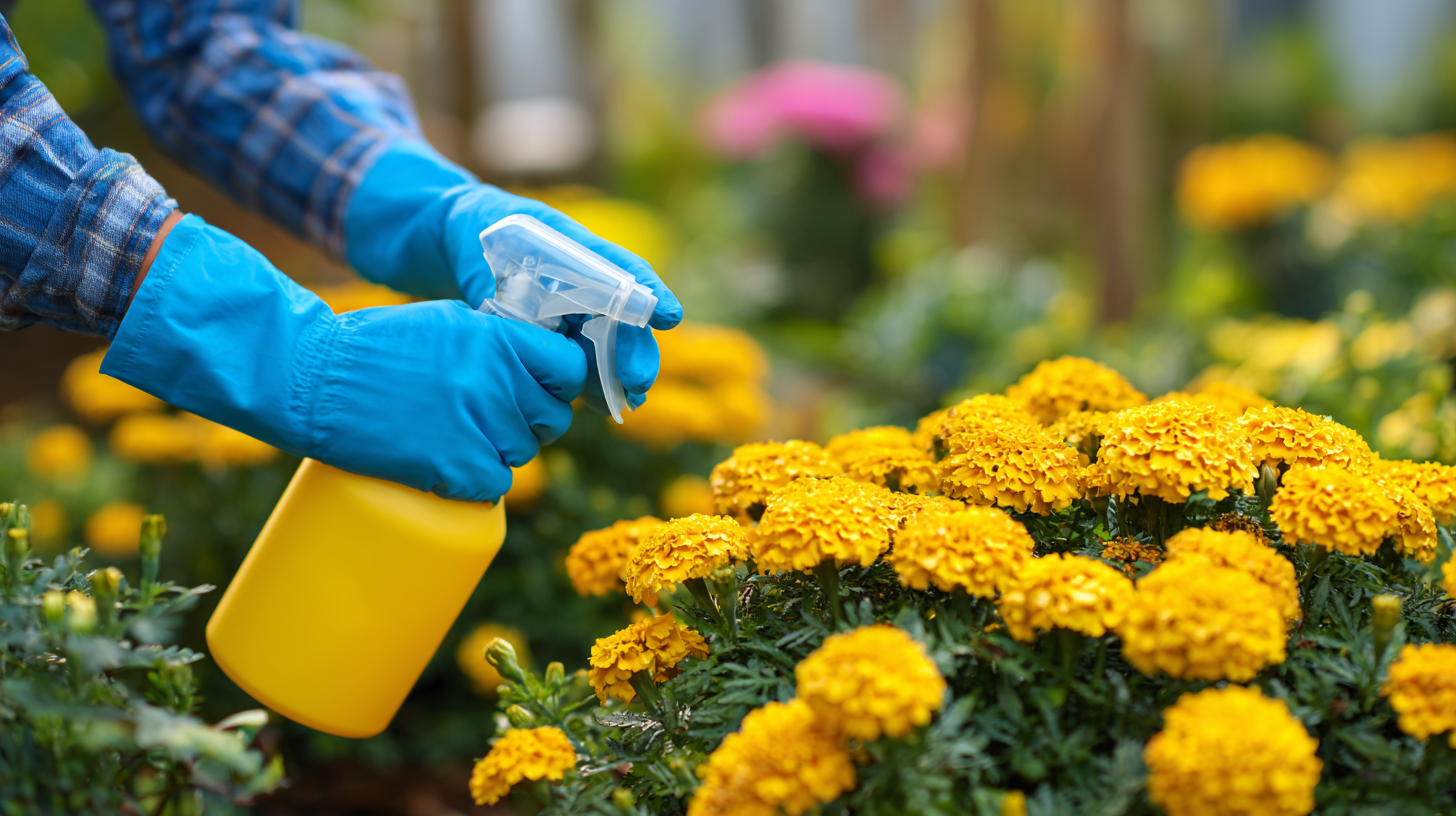
Figuring out which insecticide or pesticide is best for your garden really starts with understanding the different ways you can apply them. Honestly, depending on the size of your garden and what pests you're dealing with, you might find yourself leaning towards sprays, granules, or even systemic options. 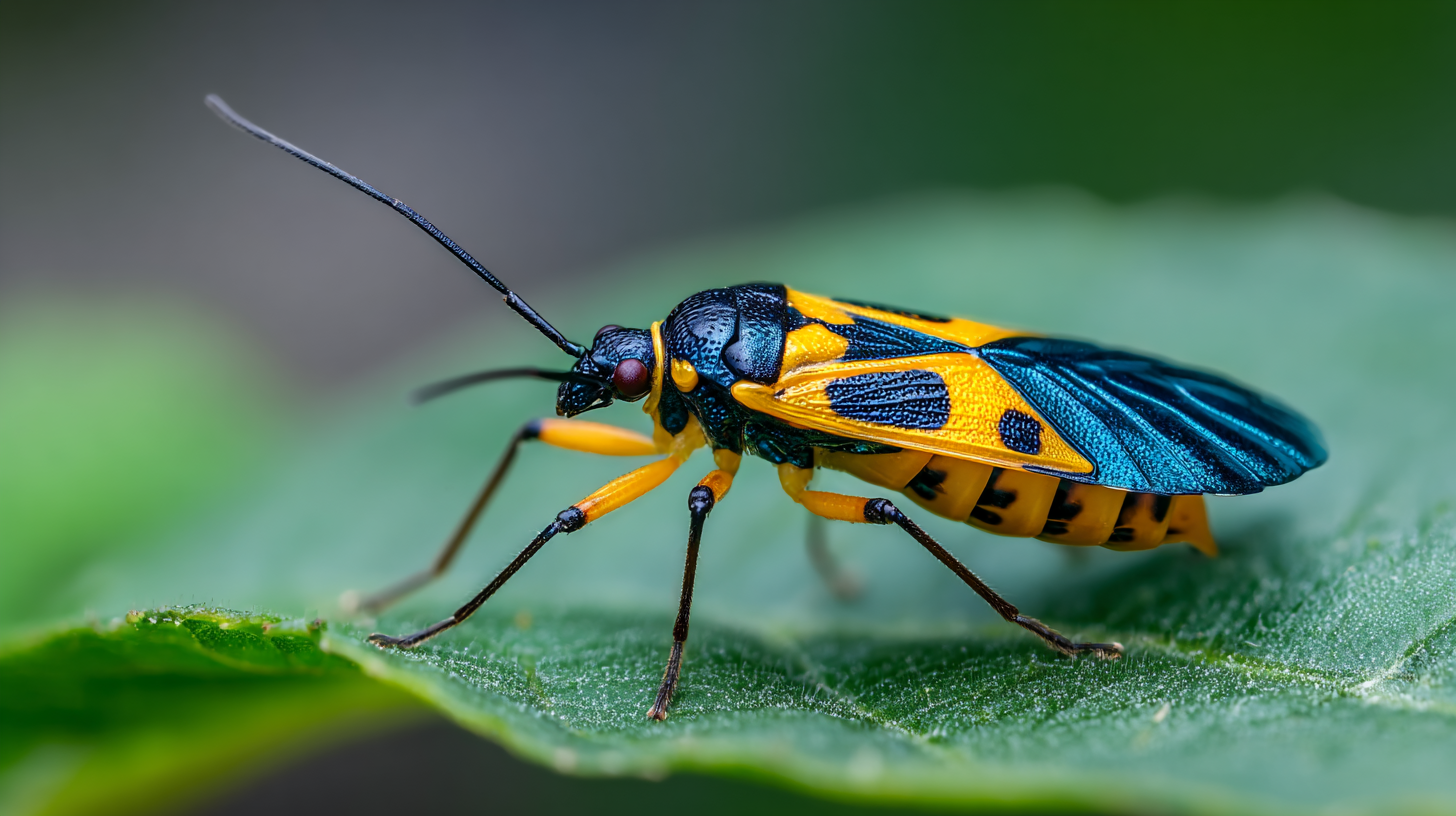 Sprays are pretty handy—good for quick action and small spaces, especially if you need to target specific plants where pests are being a real pain. But just a heads up—try to spray on a calm day so the wind doesn’t carry it onto plants you’re trying to protect.
Now, when it comes to granules, those are kinda your go-to for bigger gardens or if you want pest control that lasts a bit longer. They’re usually sprinkled around the base of plants or mixed into the soil, slowly releasing their active ingredients over time. Systemic pesticides are a different story—they get absorbed by the plant itself and can protect it against pests that munch on the leaves for quite a while.
At the end of the day, pick a method that works with your gardening style and fits your pest control game plan. Whether you're spraying, scattering granules, or going for systemic treatments, just be sure to read and follow the instructions on the label. That way, you stay safe and get the best results.
Read Reviews and Seek Recommendations for Effective Products
When you're trying to pick out the right insecticide or pesticide for your garden, it's a good idea to check out reviews and ask around for recommendations. Hearing what other gardeners have experienced can really help you figure out which products actually work and are safe to use. You might want to browse gardening forums, websites, or social media groups—places where folks share their tips, success stories, and even warnings about certain pesticides.
Besides reading reviews, don’t hesitate to ask your local gardening clubs or reach out to cooperative extension services. These guys usually know their stuff and can point you toward reliable products that fit your garden’s specific needs. As you gather suggestions, keep an eye out for details like what pests the product targets, whether it’s safe for helpful insects, and how it affects the environment.
And a couple of quick tips—always double-check that the pesticide label says it’s safe for your particular plants, and go for products with a solid track record in your area. Lastly, take a minute to read the application instructions carefully—using products the right way can really make all the difference in helping your garden thrive.
FAQS
: Active ingredients are the key components that provide the pest control effectiveness of a pesticide and are crucial for both garden health and safety.
Understanding active ingredients helps prevent misuse and misunderstanding, which accounts for approximately 75% of pesticide-related incidents, ensuring better outcomes for your garden and safety.
Yes, while pyrethroids are effective against a variety of pests, they can also negatively affect beneficial species, such as pollinators, if not applied correctly.
Ingredients that are shorter-lived may be less harmful to beneficial insects and reduce runoff into waterways, thus posing a lower risk to the environment.
Reviewing usage guidelines and application methods is essential to minimize potential negative impacts on both the garden ecosystem and the surrounding environment.
The use of over 2.5 million tons of pesticides each year significantly damages biodiversity, accumulates chemical residues, and poses health risks for humans and animals.
Opting for eco-friendly alternatives mitigates environmental risks and supports long-term ecological health while keeping your garden productive.
Integrating biological control methods and using natural pest deterrents alongside synthetic options can enhance pest management without compromising ecological integrity.
The company prioritizes developing pesticide products that emphasize environmental sustainability and aim to minimize adverse environmental effects while effectively controlling pests.
Aligning pest control choices with environmentally friendly products contributes not only to a healthier garden but also to broader ecological preservation efforts.
Conclusion
Picking the right insecticide or pesticide for your garden isn't just about kicking pests to the curb—it's also about doing it in a way that's good for the environment. First off, it helps to get a bit familiar with the different types out there. Once you've got that down, figure out exactly which pests you're trying to get rid of—that makes all the difference. When you look at the active ingredients, be sure to think about how effective they are, but also how safe they are for your plants, yourself, and the local critters. Oh, and don’t forget to consider how you’ll be applying it—some methods work better with certain gardening styles. And, of course, always keep the environmental impact in mind; it’s worth it in the long run.
Checking out reviews or asking fellow gardeners for tips can really help you choose products that get the job done without wreaking havoc on your garden or the planet. Companies like Innovation Meiland (Hefei) Co., LTD., are actually working on some pretty cool, innovative pesticide solutions that focus on doing the job well AND being eco-friendly. So, there's no need to compromise—your garden can be both productive and responsible!

 0551-68500918
  Contact Email
 Contact WhatsApp