When it comes to modern gardening, using Glyphosate Liquid has really become a key tool for keeping plants healthy and colorful. If you're into keeping your garden weed-free and helping your plants grow strong, it’s pretty important to understand how to use Glyphosate Liquid the right way. Here at Innovation Meiland (Hefei) Co., LTD., we’re passionate about pushing the boundaries in pest management—developing new pesticides, formulas, and methods that really perform.
Using Glyphosate Liquid effectively isn’t just about knowing its chemical stuff; it’s also about doing things the right way—getting the most out of it while avoiding damage to other plants. We’re all about innovation and quality, and we want to give you the info you need to use this herbicide smartly. That’s why we put together ten simple tips to help you get the best results—so you can keep your garden thriving while using Glyphosate responsibly and confidently.
Understanding Glyphosate: What Every Gardener Should Know
Glyphosate is a broad-spectrum systemic herbicide commonly used to control unwanted weeds and grasses in gardens. As a gardener, understanding how glyphosate works is crucial to its effective application. It functions by inhibiting a specific enzyme pathway that is necessary for plant growth, which is not present in animals. This specificity makes it a popular choice for garden maintenance, but it also requires careful handling to avoid damaging desirable plants.
Effective use of glyphosate involves proper timing and application methods. It's best to spray glyphosate on a calm day to minimize drift and maximize absorption by the weed's foliage. Additionally, applying it directly to the leaves of the target plants when they are actively growing can enhance its efficacy. Gardeners should also be aware of the waiting period before planting new crops in the treated area. Understanding these key aspects of glyphosate not only helps in striving for a weed-free garden but also promotes responsible gardening practices.
Optimal Timing: When to Apply Glyphosate for Best Results
When it comes to applying glyphosate for effective weed control in your garden, timing is crucial. Experts suggest that the best time to apply glyphosate is during early spring when the weeds are actively growing. This is typically when daytime temperatures reach at least 60°F. During this period, weeds are more vulnerable as they are beginning to sprout, making them more susceptible to herbicides. Additionally, the fall can also be an opportune time for application, particularly when temperatures hover around 50°F. Applying glyphosate during this season takes advantage of the continued growth of perennial weeds, enhancing the potential for effective control.
Research indicates that the effectiveness of glyphosate can increase significantly when applied at the correct growth stages of the weeds. According to a study from agricultural experts, weeds that are treated early in their growth cycle respond better to Herbicide Applications, leading to up to a30% higher kill rate compared to late-season applications. Moreover, avoiding rainy days for application is vital—as moisture can dilute the herbicide and reduce its efficacy, potentially resulting in a less successful outcome. By adhering to these timing guidelines, gardeners can maximize the effectiveness of glyphosate and maintain a healthy, weed-free garden.
Application Techniques: Ensuring Even Coverage in Your Garden
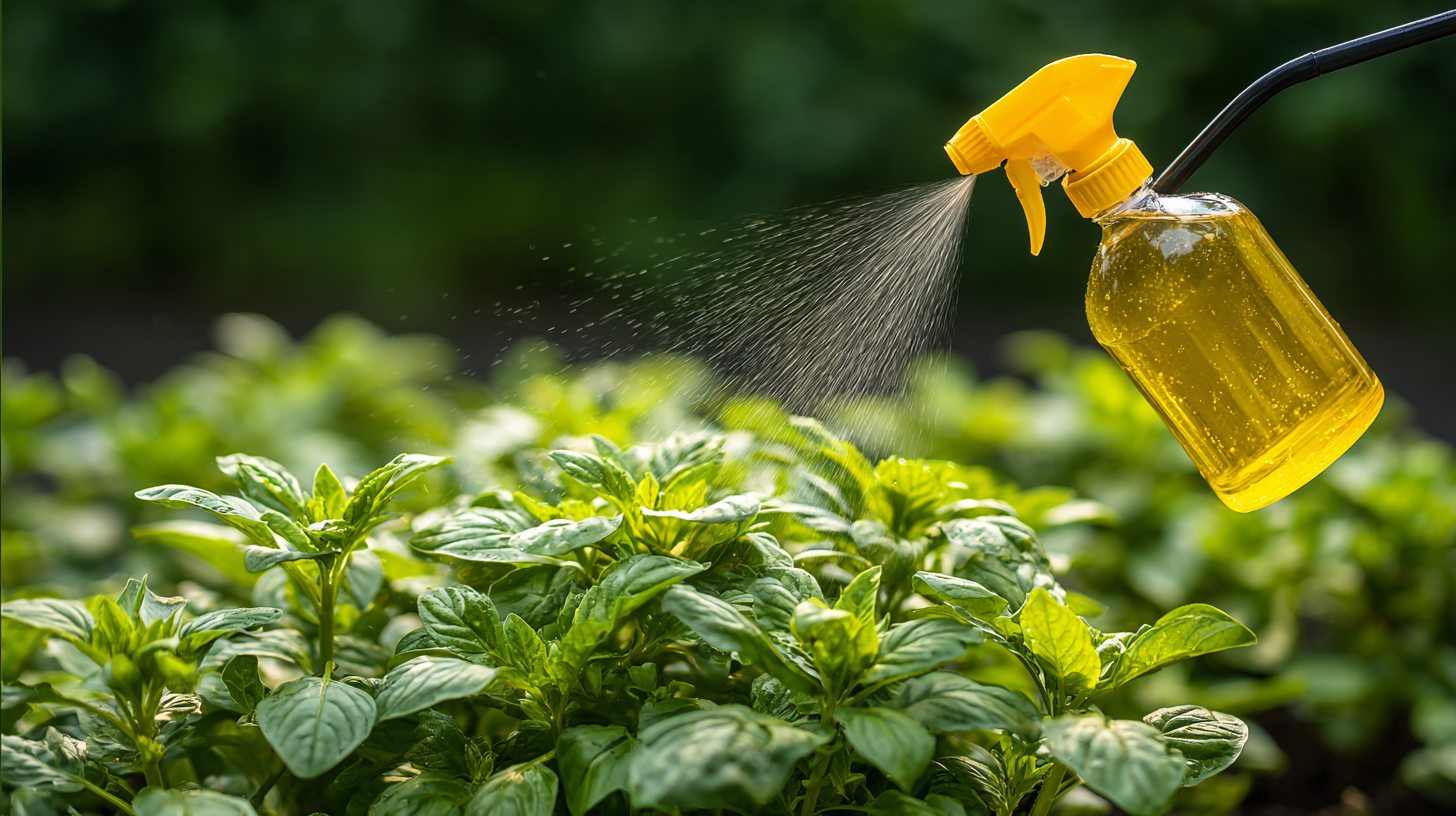
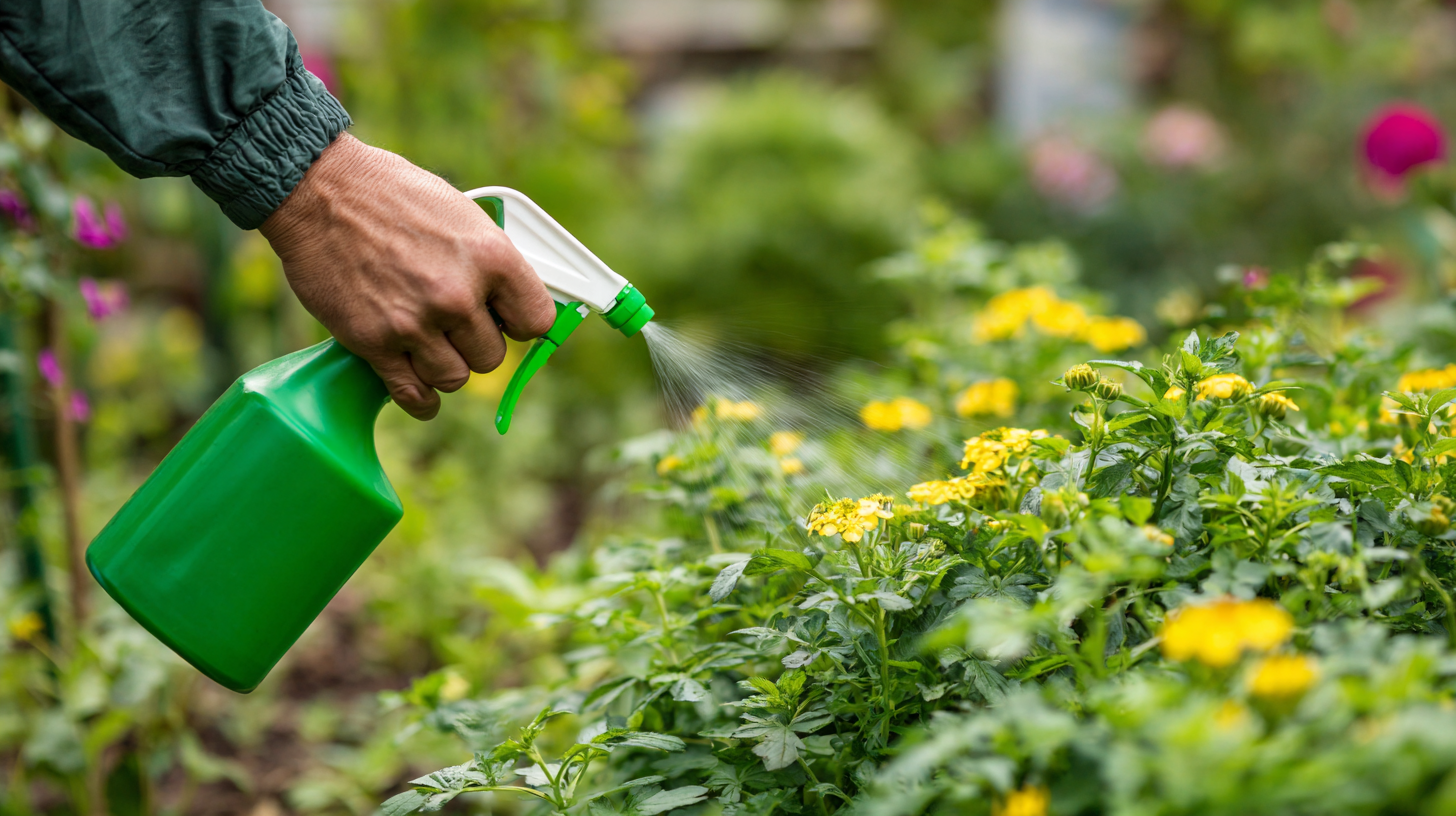 When applying glyphosate liquid in your garden, ensuring even coverage is critical for maximum effectiveness. One of the best techniques is to use a spray nozzle that produces a fine mist, allowing for better distribution over foliage. This not only helps reach the undersides of leaves, where weeds often thrive, but also minimizes the risk of runoff or overspray onto desired plants. It's advisable to stand at an appropriate distance—about 12 to 18 inches away from the target—to achieve a uniform application without causing damage to your garden.
Timing plays an equally vital role in achieving even coverage. Applying glyphosate during a calm, dry day can significantly improve results. Wind can carry sprays away from the intended target, while moisture can dilute the effectiveness of the herbicide. Furthermore, spraying in the early morning or late afternoon, when temperatures are moderate, allows for optimal absorption by the plants and reduces evaporation. Always ensure that the foliage is dry before application to maximize uptake and minimize waste. These techniques will help you effectively manage pesky weeds while protecting other plants in your garden.
Safety Precautions: Protecting Yourself and Other Plants
When using glyphosate liquid in your garden, safety should always be your top priority. This powerful herbicide is effective for controlling unwanted weeds, but it also poses risks to human health and surrounding plants. It is essential to wear protective clothing, including long sleeves, gloves, and a mask, to minimize your exposure. Additionally, consider using eye protection to safeguard against accidental splashes. Before starting your application, make sure to read the label carefully for specific safety instructions and recommendations.
In addition to personal safety, protecting other plants in the vicinity is crucial. Glyphosate works by being absorbed through the leaves, which means that any contact with desirable vegetation can lead to unintended damage. To prevent this, it’s advisable to apply glyphosate on a calm day to minimize drift. Using shields or barriers can further help in directing the spray onto targeted weeds, thereby reducing the risk of reaching other plants. Proper timing, such as applying it when the wind is low, and ensuring no rain is forecast for at least 24 hours can also enhance safety for both yourself and your garden.
10 Essential Tips for Using Glyphosate Liquid Effectively in Your Garden - Safety Precautions: Protecting Yourself and Other Plants
| Tip Number | Tip Description | Safety Precautions | Best Time to Apply |
| 1 | Read the label carefully before use. | Wear gloves, eye protection, and a mask. | On a calm day to minimize drift. |
| 2 | Apply during the growing season for best results. | Keep away from pets and children. | When weeds are actively growing. |
| 3 | Use the appropriate concentration for your needs. | Avoid applying on windy days. | Early morning or late afternoon. |
| 4 | Apply directly onto the leaves of the target plants. | Wash hands thoroughly after handling. | When plants are dry to maximize absorption. |
| 5 | Avoid using on edible plants unless specifically approved. | Use protective clothing. | N/A |
| 6 | Monitor weather conditions before applying. | Avoid runoff into water sources. | 24 hours after application, avoid rain forecast. |
| 7 | Use a sprayer for even coverage. | Check for leaks in equipment. | During peak growth seasons. |
| 8 | Keep a safe distance from desirable plants. | Use a plastic drop cloth if necessary. | N/A |
| 9 | Store glyphosate properly, away from children. | Seal containers tightly after use. | N/A |
| 10 | Understand local regulations regarding Glyphosate Use. | Consult local gardening centers if unsure. | N/A |
Environmental Considerations: Minimizing Glyphosate Impact on the Ecosystem
In considering the environmental implications of glyphosate use in gardens, it's crucial to address its broader ecological impacts. Recent studies have highlighted that extensive spraying of glyphosate can vulnerably alter ecosystems, particularly in forested areas. For instance, environmentalists have raised concerns that glyphosate applications can lead to increased susceptibility to wildfires. Reports indicate that regions experiencing heavy glyphosate spraying often show a dramatic decrease in biodiversity, with affected areas becoming eerily quiet as ecosystem dynamics are disrupted.
Furthermore, research in regions like northeastern Ontario underscores the growing calls from First Nations and local municipalities to halt glyphosate use on Crown lands due to safety and ecological worries. Data shows that while glyphosate can effectively manage invasive species and weeds, its adverse effects on flora and fauna could undermine biodiversity. For sustainable practices, alternative weed management strategies should be emphasized, which promote ecological balance, as indicated by the latest findings on integrated pest management (IPM) approaches. Limiting glyphosate use not only preserves the immediate environment but also contributes to long-term ecological integrity, essential for the health of both gardens and larger ecosystems.
Impact of Glyphosate Usage on Different Ecosystems
Effective Weed Management: Combining Glyphosate with Other Strategies
Effective weed management is crucial for maintaining healthy crops, especially in the context of increasing herbicide-resistant weed populations. A proactive approach that combines glyphosate with other integrated strategies is essential for protecting your soybean crop. Research indicates that herbicide resistance is an inherited trait in plants, making simple reliance on glyphosate ineffective over time. It is vital to incorporate practices such as crop rotation, cover cropping, and selective mechanical weed removal to mitigate the effects of resistant weed species in agricultural fields.
One effective tip is to implement narrow-windrow burning, as studies in Louisiana have shown it can alter weed dynamics favorably by reducing seedbank viability. Additionally, integrating pre-emergent herbicides with glyphosate can create a multi-faceted defense against weeds. Farmers are encouraged to monitor field conditions closely to identify and manage resistant species promptly. By combining glyphosate with diverse weed management practices, growers can enhance their chances of controlling invasive species like glyphosate-resistant waterhemp, which has emerged as a significant threat in regions such as New York.
Ultimately, by diversifying weed management tactics, soybean growers can effectively combat herbicide-resistant weeds while ensuring sustainable crop yields. Education on proper applications and continuous adaptation of strategies based on current research findings will play a key role in successful weed management in the long term.
FAQS
: Glyphosate can significantly alter ecosystems, especially in forested areas, leading to decreased biodiversity and increased susceptibility to wildfires.
They are concerned about safety and ecological issues related to glyphosate's adverse effects on flora and fauna, which undermine biodiversity.
Alternative weed management strategies such as integrated pest management (IPM), which promotes ecological balance, should be emphasized.
Extensive glyphosate spraying often leads to a dramatic decrease in biodiversity, disrupting ecosystem dynamics.
Combining glyphosate with practices like crop rotation, cover cropping, selective mechanical weed removal, and pre-emergent herbicides is recommended.
Studies indicate that narrow-windrow burning can favorably alter weed dynamics by reducing seedbank viability.
Monitoring helps identify and manage herbicide-resistant weed species promptly, which is essential for effective weed control.
Glyphosate-resistant waterhemp has emerged as a significant threat to soybean crops, particularly in regions like New York.
Diversifying tactics helps combat herbicide-resistant weeds and ensures sustainable crop yields in the long term.
Continuous education on proper applications and adapting strategies based on current research findings is crucial for effective long-term weed management.
Conclusion
This article provides essential tips for gardeners on how to use Glyphosate Liquid effectively in their gardens. It begins with a fundamental understanding of Glyphosate, outlining its role as a herbicide and best practices for application. Timing is crucial; applying Glyphosate at the right moment ensures optimal weed control. The article also emphasizes proper application techniques to achieve even coverage while prioritizing safety precautions to protect both the user and surrounding plants.
Furthermore, it addresses environmental considerations, stressing the importance of minimizing Glyphosate's impact on the ecosystem. By incorporating Glyphosate Liquid into a comprehensive weed management strategy, gardeners can enhance their effectiveness while maintaining ecological balance. Meiland Stock, based in Hefei, China, is dedicated to innovating and developing new pesticide products and formulations, supporting gardeners in achieving efficient weed control techniques.

 0551-68500918
  Contact Email
 Contact WhatsApp