Leave Your Message
0%

Hey, with the world’s food demands just continuing to grow, it’s more important than ever to get serious about how we protect our crops. I mean, the Food and Agriculture Organization (FAO) says we’re gonna need about a 70% boost in farming output by 2050. That’s a huge challenge, and it really makes you wonder—what sustainable tricks can we use to get better yields without wrecking the planet? Experts like Dr. Emily Carter from CropScience Innovations put it simply: "Protecting our crops means safeguarding future food security." It’s kind of a no-brainer, right?

To really make a difference, we need a mix of old-school methods and new tech. Things like soil health, pest control, and climate resilience are absolutely key. Did you know that roughly 30% of crops are lost each year because of pests and diseases? That’s a staggering number, and it just shows why we need to bring smarter solutions into the mix.

But here’s the thing—there are still some pretty big hurdles. A lot of farmers aren’t even aware of the latest techniques, and money’s often tight, making it hard for them to adopt new practices. So, even though we have all these tools at our fingertips, actually making them work on a wide scale means more education and support. Recognizing what’s missing is the first step toward building a more resilient, sustainable farming future.
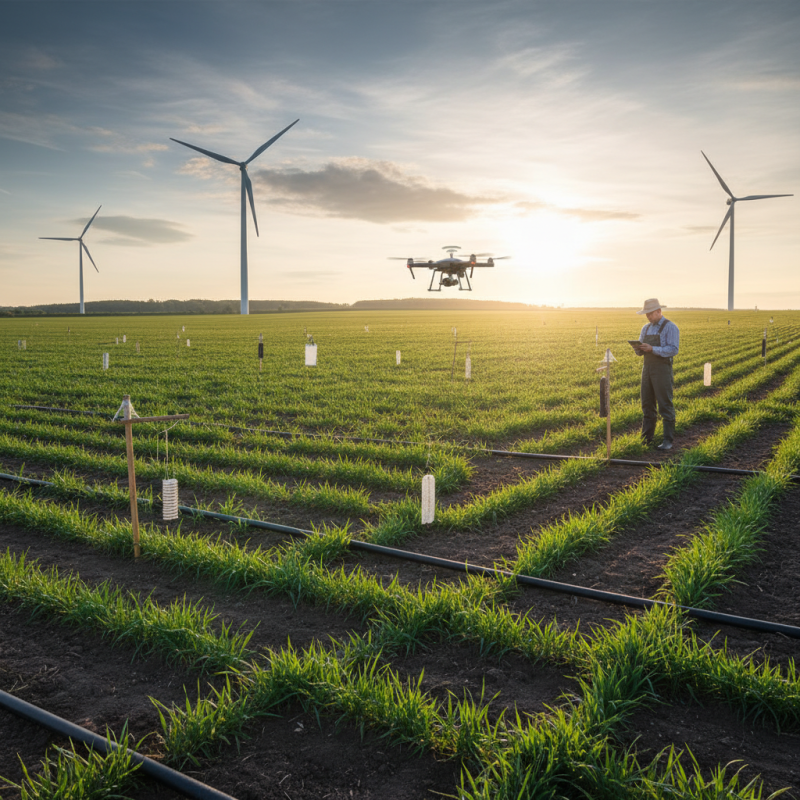
Top 10 Global Crop Protection Tips for Increased Yields?

Understanding the Importance of Crop Protection in Agriculture

Crop Protection plays a crucial role in modern agriculture. Farmers face numerous threats, including pests, weeds, and diseases that can devastate crops. The Food and Agriculture Organization (FAO) reported that approximately 40% of global crop production is lost to pests and diseases each year. Effective crop protection strategies are vital to maintain and increase yields.

One effective tip is integrated pest management (IPM). This approach combines biological, cultural, and chemical tools. By focusing on preventative measures, farmers can reduce reliance on pesticides. A study indicated that IPM can reduce crop losses by up to 50% in some regions. Another important tactic is crop rotation. This practice disrupts pest and disease cycles, improving soil health and increasing yields over time.

Additionally, proper timing of planting can significantly affect results. Delaying planting may expose crops to harsh weather, while early planting can help evade pests. Alignment with local climate data empowers farmers to optimize yields. Despite these strategies, many farmers still struggle due to limited resources and knowledge gaps. Continuous education and training are essential for adapting these practices effectively.

Identifying Common Pests and Diseases Affecting Global Crops

Identifying pests and diseases is crucial for improving crop yields. Farmers often face numerous challenges. Common pests include aphids, caterpillars, and spider mites. These pests damage leaves and fruits, reducing overall harvests. Fungal diseases, like powdery mildew, can also lead to significant losses. These issues require immediate action.

One effective tip is regular monitoring. Check your fields frequently. Look for signs of pest activity or disease symptoms. Early detection can save crops. Another useful approach is crop rotation. This strategy can disrupt pest life cycles. It also enhances soil health. Rotating different crops helps reduce the risk of accumulation.

Consider biological control methods. Introducing natural predators can help manage pests without chemicals. However, it’s not always easy to implement. Some beneficial insects may not survive or adapt well. It’s important to find the right mix for your crops. Farmers should also reflect on their methods regularly. What works for one season may not work the next. Adapting is key in agriculture. Each choice impacts soil, plants, and yields. Stay observant, and be ready to adjust your strategies.

Implementing Integrated Pest Management (IPM) Strategies

Implementing Integrated Pest Management (IPM) strategies can significantly enhance crop yields. According to a report by the Food and Agriculture Organization (FAO), IPM can increase crop production by up to 25%, while also minimizing the use of Chemical Pesticides. This method emphasizes understanding pest life cycles and natural predators, which can lead to better pest control.

Farmers adopting IPM often rely on monitoring and identifying pest species before making decisions. This approach reduces unnecessary pesticide applications. For instance, a study published in the Journal of Integrated Pest Management showed that farmers could reduce pesticide costs by 15% while maintaining similar yields. However, IPM requires training and consistent participation. Some farmers struggle with the knowledge gap and may feel overwhelmed by new techniques.

Diverse farming practices can be a part of IPM. Crop rotation, intercropping, and use of cover crops can provide habitat for beneficial insects. However, implementing these practices is not always straightforward. Some farmers face resource limitations that hinder their ability to adopt new methods effectively. Balancing innovation with traditional practices remains a challenge. Solving these issues requires the commitment and support of the agricultural community.

Top 10 Global Crop Protection Tips for Increased Yields

Utilizing Advanced Biotechnology for Crop Protection

Biotechnology plays a crucial role in modern crop protection strategies. Through genetic modifications, crops can become resilient to pests and diseases. This minimizes reliance on chemical treatments, promoting healthier ecosystems. Enhanced traits can support increased yields while reducing input costs for farmers. These advancements in Global Crop Science are imperative for sustainable practices.

However, embracing biotechnology isn't without challenges. Public perception can be hesitant. There are concerns about the long-term impacts of genetically modified organisms (GMOs). Addressing these worries is vital for acceptance. Farmers must engage with communities, sharing knowledge about the benefits of biotechnological innovations. Transparency can foster trust and understanding.

Integration of biotechnology in crop protection needs careful management. There can be unforeseen consequences in the ecosystem. Continuous research and monitoring are necessary. Evaluating the effectiveness of these measures should become routine. Mistakes can happen, and learning from them is essential. This approach enhances the future of Global Crop Science through informed decision-making.

Sustainable Chemicals: Choosing the Right Pesticides Safely

Top 10 Global Crop Protection Tips for Increased Yields?

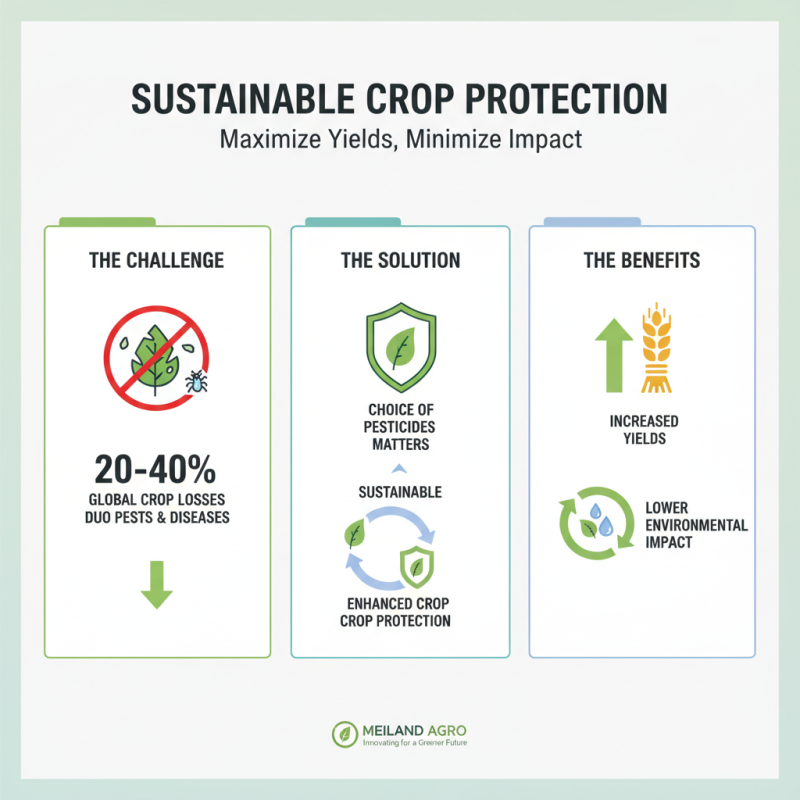
In the pursuit of maximizing yields, the choice of pesticides is crucial. Sustainable chemicals can enhance Crop Protection while minimizing environmental impact. According to the Food and Agriculture Organization, approximately 20-40% of global crop yields are lost due to pests and diseases. Therefore, selecting the right pesticides can be a game-changer.

One tip is to prioritize integrated pest management (IPM). This approach combines biological, cultural, and chemical methods. It reduces reliance on chemicals while promoting healthier crop protection strategies. For instance, crop rotation and the use of beneficial insects can significantly decrease pest populations.

Another vital consideration is to always read labels carefully. Understanding pesticide application rates and their environmental effects matters. Relying solely on chemical solutions is not sustainable. Data from the International Crop Protection Institute suggests that improper pesticide use can lead to resistance, making crops more vulnerable over time.

Engaging local agricultural extension services can provide valuable insights into safe pesticide use. They offer resources aligned with sustainable practices and crop protection. Remember, using pesticides responsibly is key to maintaining soil health and ensuring long-term agricultural productivity.

Practicing Crop Rotation and Diversification for Soil Health

Top 10 Global Crop Protection Tips for Increased Yields?

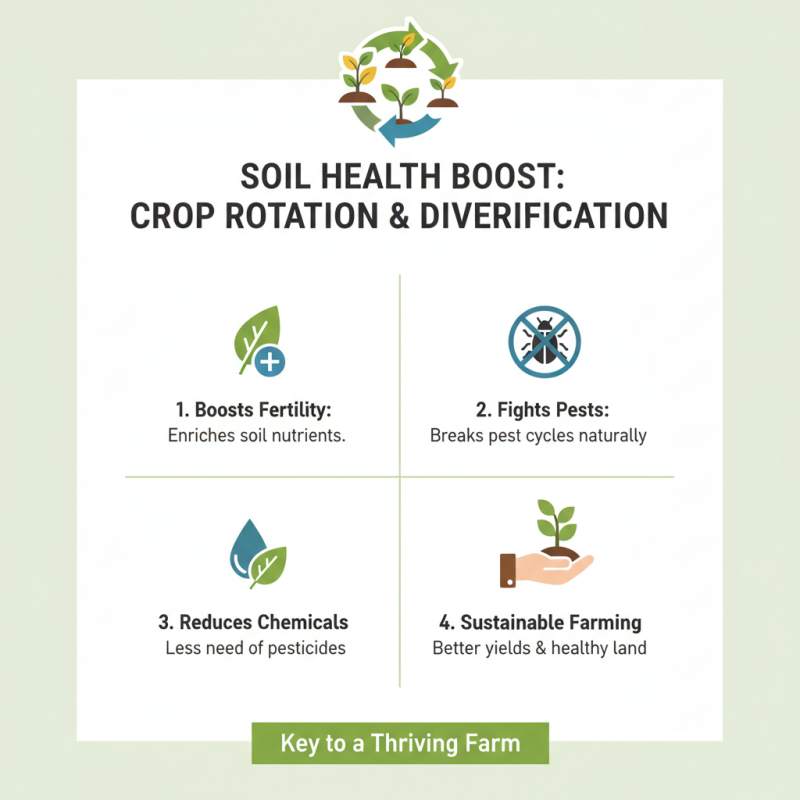
Crop rotation and diversification are essential for soil health. These practices help improve soil fertility and reduce pests. By alternating crops, farmers can break pest cycles. This also minimizes the need for chemical inputs. Healthy soil leads to better yields and sustainable farming.

Implementing crop rotation is not always easy. Farmers might struggle with planning. Choosing the right crops can be challenging. Some may wonder how effective it really is. However, observing positive changes in soil can be rewarding. Farmers often notice increased microbial activity over time. It’s a gradual process that requires patience and effort.

Diversification is another key strategy. Planting multiple crops can spread risk. If one fails, others may thrive. However, this approach demands knowledge and experience. Balancing different crop needs is complex. Sometimes, farmers may feel overwhelmed. Yet, the positive impact on the ecosystem is significant. The right approach is vital for success and sustainability. Many seek guidance in implementing these practices. A clear Crop Protection Logo can help identify resources and support available to farmers in their journey.

Monitoring and Evaluating Crop Conditions Regularly for Optimal Yields

Regular monitoring and evaluation of crop conditions are crucial for achieving optimal yields. Farmers should routinely check soil moisture and nutrient levels. This helps in understanding the specific needs of crops. Observing pests and diseases early can also prevent larger issues later. Using simple tools like moisture meters can enhance this process.

Technology plays a significant role in modern agriculture. Satellite imagery and drones can provide valuable data on crop health. These tools help farmers make informed decisions promptly. However, not everyone has access to such technology. Small-scale farmers may struggle to keep up. This disparity can affect overall productivity in the Crop Protection Market.

Creating a schedule for regular assessments is vital. Consistency in monitoring ensures that nothing is overlooked. Recording observations in a journal can help track changes over time. Reflecting on past issues and the effectiveness of solutions can improve future practices. Adapting to the unique challenges of each season remains important. Every crop cycle offers lessons that can refine future strategies.

FAQS

: Why is identifying pests and diseases important?

: Identifying pests and diseases is essential for improving crop yields and preventing significant losses.

What are common pests that farmers face?

Common pests include aphids, caterpillars, and spider mites, which damage leaves and fruits.

How can farmers monitor their fields effectively?

Regularly check fields for pest activity or disease symptoms. Early detection can save crops.

What is crop rotation and why is it beneficial?

Crop rotation involves growing different crops on the same land. It disrupts pest life cycles and improves soil health.

What are biological control methods?

Biological control involves introducing natural predators to manage pests without chemicals. It can be challenging to implement.

How does Integrated Pest Management (IPM) enhance crop yields?

IPM increases crop production while minimizing chemical pesticide use by understanding pest life cycles and natural predators.

What challenges do farmers face when adopting IPM?

Farmers often struggle with training and may feel overwhelmed by new techniques, which can limit effective adoption.

Can IPM reduce pesticide costs?

Yes, studies show that IPM can reduce pesticide costs by up to 15% while maintaining similar yields.

Why is it important for farmers to adapt their strategies?

Conditions change each season. What worked before may not succeed later. Adapting ensures better crop outcomes.

How can diverse practices enhance pest management?

Practices like intercropping and cover crops create habitats for beneficial insects, enhancing pest management effectiveness.

Conclusion

Global Crop Protection is essential for maximizing agricultural yields and ensuring food security worldwide. Understanding the vital role it plays involves not only identifying common pests and diseases that threaten global crops but also implementing Integrated Pest Management (IPM) strategies to mitigate these risks effectively. Advanced biotechnology offers promising solutions for sustainable crop protection, while the careful selection of safe, sustainable chemicals helps minimize environmental impact.

Moreover, practicing crop rotation and diversification enhances soil health and resilience against pests and diseases. Regular monitoring and evaluation of crop conditions are crucial for optimizing yields and enabling timely interventions. By adopting these comprehensive strategies, farmers can significantly increase their productivity and contribute to more sustainable agricultural practices globally.
Lila

Lila

Lila is a dedicated marketing professional at Innovation Meiland (Hefei) Co., LTD., where her expertise in pesticide product development shines through in every aspect of her work. With a strong commitment to researching and developing new pesticide products, formulations, and processes, Lila plays......
Previous Navigating Global Trade Regulations for Pesticides Solutions a Step by Step Guide