Leave Your Message
0%

Lately, there's been a lot of talk about how reliant farming has become on glyphosate. Farmers are starting to look for more sustainable options, and experts keep saying we really need to adapt. I mean, Dr. Sarah Thompson, a well-known agronomist over at GreenField Solutions, puts it simply: "Finding alternatives to glyphosate isn't just a good idea, it's pretty much essential if we want farming to stay viable in the future." Her words really drive home how urgent it is to explore other possibilities.

Even though glyphosate has been a go-to herbicide for ages, worries about its impact on our environment are only growing. Farmers are up against it—they want to switch to different products, but it’s not always straightforward. There are plenty of options out there, but honestly, not all of them work equally well. Some show a lot of promise; others are still pretty unclear because we just don’t have enough research on them yet. That's why the farming community needs to be cautious as they explore new solutions.

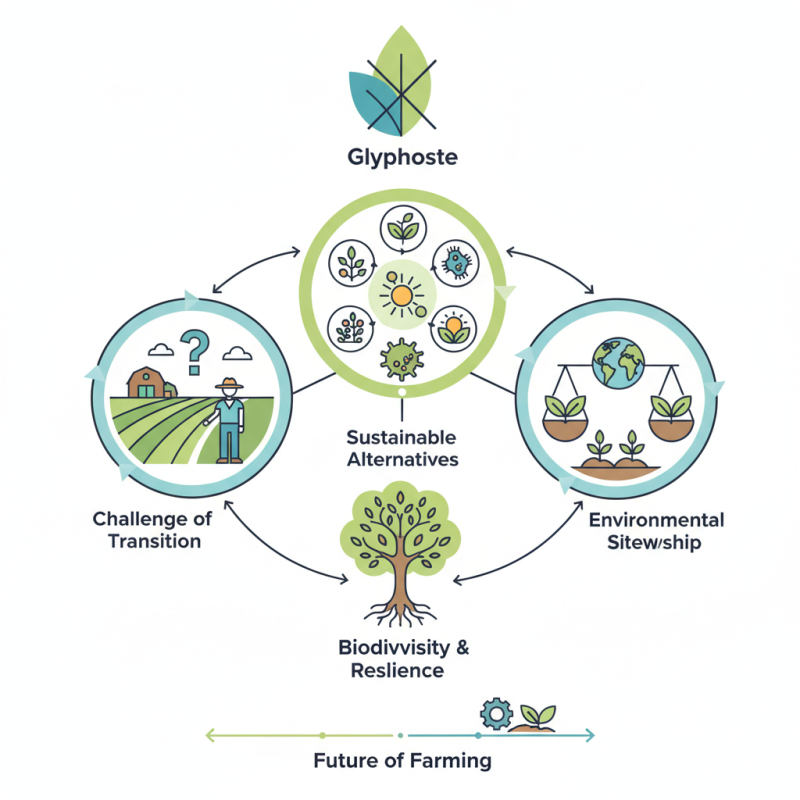
Trying to find alternatives to glyphosate ties into the bigger idea of sustainable agriculture. It’s about mixing in different methods that can boost biodiversity and make farms more resilient. But, let’s be honest, the path isn’t simple—it takes time. We need to find that sweet spot where we’re effective with our farming practices, but also good stewards of the environment. After all, decisions we make now are gonna shape what farming looks like down the road. There’s a lot of potential in exploring these alternatives, but we have to be mindful of the risks too.
Top 10 Glyphosate Alternatives in Agriculture for Global Buyers?

Understanding Glyphosate: Usage and Controversies in Agriculture

Top 10 Glyphosate Alternatives in Agriculture for Global Buyers?

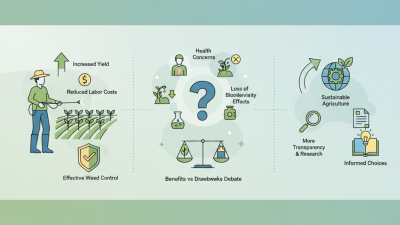
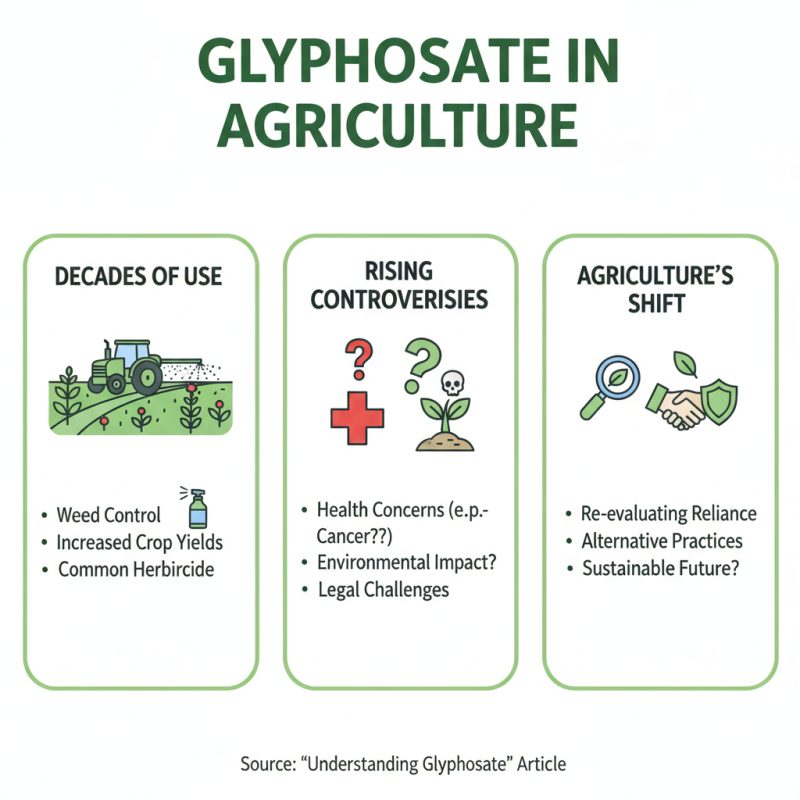
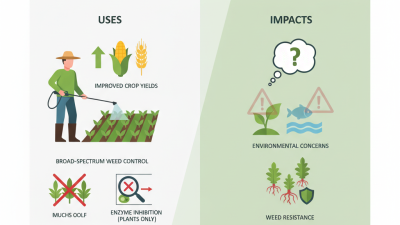
Glyphosate has been widely used in agriculture for decades. This herbicide effectively controls weeds, increasing crop yields. However, its safety has sparked significant debate. Concerns about glyphosate's potential link to health issues, such as cancer, have led to growing scrutiny. Many farmers are reevaluating their reliance on this chemical.

Alternatives to glyphosate are emerging. Integrated Pest Management (IPM) strategies focus on using diverse methods for weed control. This includes crop rotation, cover crops, and mechanical weeding techniques. These strategies can improve soil health and reduce the need for chemical inputs. Some farmers report that adopting such methods has made their operations more sustainable.

The shift away from glyphosate requires education and resources. Farmers may find it challenging to transition to new practices. Consequently, training programs and tools, like the Agriculture Kitnashak, can provide essential support. These resources help farmers learn about alternative methods. It is imperative that they reflect on their current practices and consider long-term impacts. Through careful evaluation, the agricultural community can enhance its resilience and safety.

The Need for Alternatives: Environmental and Health Concerns

The rising concerns regarding Glyphosate Usage are prompting a shift in agricultural practices. Environmental and health issues linked to this chemical have become focal points for farmers and consumers alike. Research indicates potential risks associated with glyphosate, leading many to seek safer alternatives. This movement reflects a growing awareness of sustainable farming practices that prioritize ecosystem health.

Farmers are exploring various options beyond traditional Herbicide Agriculture. These include natural herbicides derived from plant materials, which can effectively combat weeds without harmful side effects. Strategies like crop rotation and intercropping are also gaining traction. These practices help in maintaining soil health and reducing reliance on chemical inputs. However, implementing these alternatives can pose challenges. Some farmers may need time to adapt their methods.

While alternatives show promise, their efficacy can vary. It might take years to realize the full benefits. Moreover, the shift requires education and support for farmers. As agriculture evolves, continuous research and collaboration are essential in finding reliable solutions. A balanced approach is crucial for safeguarding both crops and the environment.

Top 10 Glyphosate Alternatives in Agriculture for Global Buyers

Alternative Type Effectiveness Environmental Impact Cost (per acre)
Acetic Acid Natural Herbicide Moderate Low $10
Corn Gluten Meal Pre-emergent High Moderate $15
Vinegar Natural Herbicide Low Low $5
Essential Oils Natural Herbicide Moderate Variable $20
Flame Weeding Mechanical High Moderate $25
Mulching Cultural High Low $30
Glysophate-free Residuals Residual Herbicide High Moderate $40
Soap Solutions Natural Herbicide Moderate Low $15
Cover Crops Cultural High Low $35
Insecticidal Soaps Pesticide Moderate Low $20

Criteria for Evaluating Glyphosate Alternatives in Agriculture

When considering glyphosate alternatives, several criteria are essential for evaluation. Effectiveness in weed control is paramount. Alternatives must demonstrate the ability to combat a wide range of invasive species. User experience matters too. Farmers need options that integrate smoothly into existing practices.

Environmental impact is another critical factor. Sustainable solutions should minimize soil disruption and protect beneficial insects. Cost-effectiveness also plays a role. More affordable options that maintain efficacy will be more attractive to global buyers. Additionally, alternatives should ideally promote soil health and support biodiversity.

It's important to note that not all alternatives will work in every scenario. Some may require more frequent applications, while others could potentially lead to resistance over time. Continuous evaluation and research are needed to refine these options. Decision-makers must remain cautious about potential trade-offs. Not every alternative will align perfectly with individual agricultural systems.

Top 10 Glyphosate Alternatives: An Overview

Glyphosate, a widely used herbicide, faces increasing scrutiny due to environmental and health concerns. Farmers are now exploring alternative solutions. A report by the Food and Agriculture Organization (FAO) indicates a shift towards integrated weed management (IWM) practices. These methods combine cultural, mechanical, and biological strategies. Reduced reliance on chemical solutions can improve soil health and promote biodiversity in farming systems.


Among the alternatives, natural herbicides derived from essential oils have gained popularity. Research shows that they can effectively suppress weed growth. For instance, clove oil has demonstrated significant effectiveness against various weed species. Another promising approach involves cover cropping. This technique not only prevents weed emergence but also enhances soil nutrients. However, these practices require more labor and management than traditional methods, presenting challenges for some farmers.


Research presented in the journal "Agronomy for Sustainable Development" emphasizes the need for a balanced approach. While alternatives exist, they may not completely replace glyphosate. The transition could be gradual. It’s important for farmers to evaluate cost-effectiveness and long-term sustainability. Embracing these alternatives may lead to healthier ecosystems, but they also demand a thorough understanding and adaptation from agricultural communities.

Detailed Analysis of Each Alternative: Effectiveness and Applications

In agriculture, finding effective glyphosate alternatives is crucial. Many farmers are now exploring various options. These alternatives often vary in effectiveness and application methods. Organic herbicides, for example, offer natural options for weed control. They can be derived from plant extracts and work through different mechanisms. Despite their advantages, they may require multiple applications for optimal results.

Cover crops are another viable alternative. They enhance soil health and suppress weeds naturally. Farmers can benefit from reduced herbicide dependency while improving biodiversity. However, cover crops may need careful management. Timing and selection are key factors affecting their success. Companion planting also presents opportunities. Specific plant combinations can deter pests and enhance crop yield.

While these alternatives are promising, they may not be perfect. Some options may require adjustments in farming techniques. Others might have varying results based on local conditions. Farmers must weigh these factors to make informed choices. Adopting alternatives is a journey that can lead to sustainable practices. Each approach presents unique challenges, demanding a learning mindset.

Top 10 Glyphosate Alternatives in Agriculture

Sustainable Practices: Integrating Alternatives into Modern Farming

Top 10 Glyphosate Alternatives in Agriculture for Global Buyers?

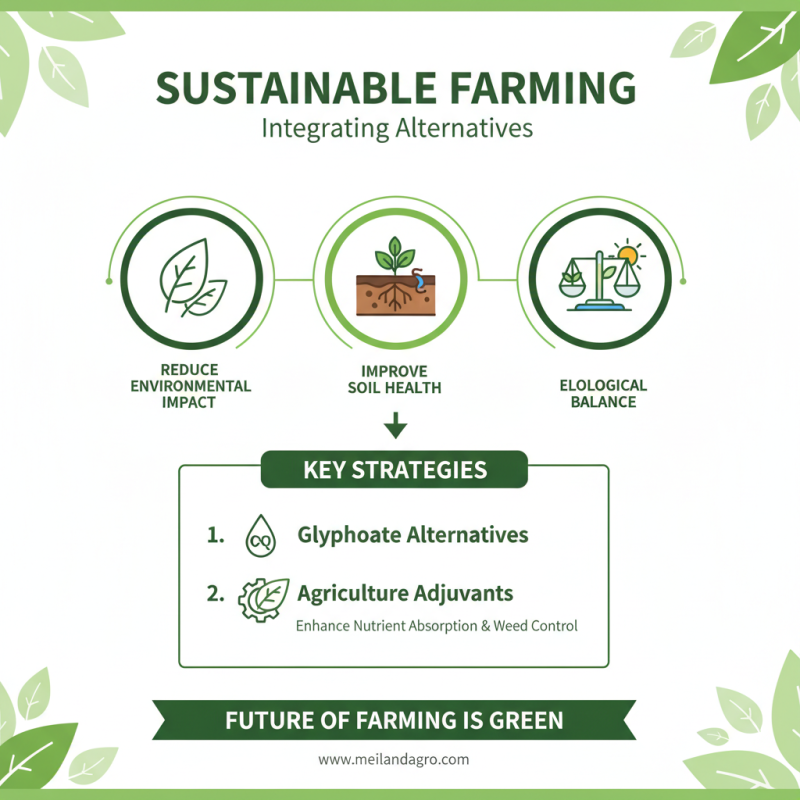
In modern farming, integrating sustainable practices is crucial. Farmers are exploring alternatives to glyphosate to reduce environmental impact. This shift encourages ecological balance and improves soil health. Agriculture Adjuvants, which enhance the effectiveness of these alternatives, play a vital role. They help plants absorb nutrients better and can minimize weed pressure without chemical residues.

Incorporating natural herbicides made from plant extracts can be a great step. These options are often biodegradable and safer for ecosystems. Crop rotation and cover cropping are other strategies to combat weeds naturally. Each practice boosts the soil's health, but it requires careful planning and commitment.

Tip: Start small. Test one or two alternatives on a section of your farm. Monitor results and adjust as needed. Reflection on what works best is key. Every farm is unique, and not all practices will fit every situation. Seek advice from experts in sustainable agriculture to find tailored solutions.

Future Trends: Innovations in Weed Management Beyond Glyphosate

Innovations in weed management are reshaping the agricultural landscape. As farmers seek alternatives to glyphosate, new methods gain attention. Diverse strategies enhance crop yield while meeting sustainability goals. Concepts like integrated weed management promote biological control and crop rotation. These methods not only reduce dependency on Chemical Herbicides but also restore soil health.

Emerging technologies like robotic weeders show great potential. These machines can distinguish crops from weeds, ensuring precise applications. This minimizes harm to non-target plants. The rise of cover cropping and mulching also offers natural weed suppression. These practices improve soil structure and reduce erosion. More farmers are exploring their benefits.

However, challenges remain. The adoption of these innovations can be slow. Some farmers worry about costs and the learning curve. Educating the agricultural community is essential for successful implementation. Reflecting on previous methods encourages adaptation and growth. Balancing efficiency with environmental responsibility will define the future of Agriculture Weed Killer strategies.

FAQS

: What is the main criterion for evaluating glyphosate alternatives?

: Effectiveness in weed control is the most critical criterion.

Why is user experience important when considering alternatives?

Farmers need options that blend well with their current practices.

How do environmental impacts factor into the evaluation of alternatives?

Sustainable options should aim to minimize soil disruption and protect beneficial insects.

What are some benefits of integrating sustainable practices in farming?

These practices enhance ecological balance and improve soil health over time.

What role do natural herbicides play in weed management?

They can be biodegradable and safer for ecosystems compared to chemical options.

What advice should farmers consider when trying new alternatives?

Start small, test a few options, and closely monitor the results.

How are innovations changing weed management in agriculture?

New methods like integrated weed management are reducing chemical dependency.

What technological advancements are being explored in weed management?

Robotic weeders can accurately differentiate crops from weeds, minimizing damage.

What challenges might farmers face in adopting new weed management practices?

Concerns about costs and the learning curve could slow adoption rates.

Why is continuous evaluation of alternatives necessary in farming?

It helps refine practices and addresses the unique needs of each agricultural system.

Conclusion

This article explores the role of glyphosate in agriculture, highlighting its widespread usage and the controversies surrounding its impact on health and the environment. As concerns over glyphosate's safety have increased, there is a growing need for alternatives that can effectively manage weeds while minimizing ecological harm.

The piece outlines criteria for evaluating these alternatives, providing an overview of the top 10 viable options. Each alternative is analyzed for its effectiveness and applications in various agricultural settings. The discussion extends to sustainable practices that can integrate these alternatives into modern farming, along with insights into future trends and innovations in weed management beyond glyphosate in agriculture. This comprehensive review aims to guide global buyers in making informed decisions about sustainable agricultural practices.
Ethan

Ethan

Ethan is a dedicated marketing professional at Innovation Meiland (Hefei) Co., LTD., where his expertise in the field of Pesticide Research and development is highly regarded. With a strong focus on exploring new product formulations and processes, Ethan plays a pivotal role in communicating the......
Previous Top Agro Chemicals Tips for Global Buyers to Succeed