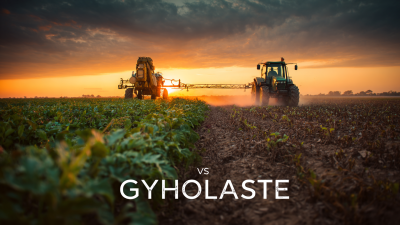
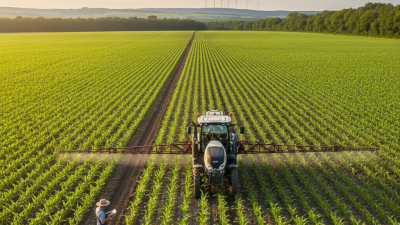
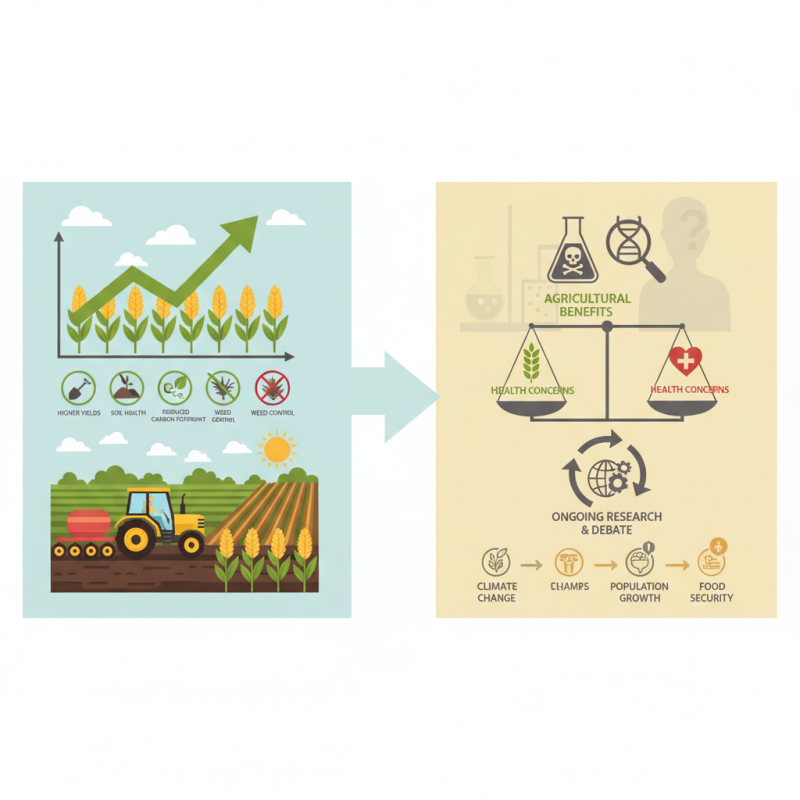
Glyphosate has played a pretty central role in modern farming since it first came onto the scene back in the 1970s. It’s a broad-spectrum weed killer that's mainly used to keep crops like corn and soybeans free of unwanted plants, which in turn has helped farmers boost their yields quite a bit. I read a report from the USDA that tells us farmers in the U.S. apply glyphosate on over 200 million acres — that’s a huge chunk of land! Its ability to promote higher productivity while reducing the need for intensive tillage fits pretty well with goals of sustainable farming, like protecting soil health and lowering carbon emissions.
But, of course, it’s not all smooth sailing. There’s been quite a bit of controversy around glyphosate. Critics raise concerns about potential health risks linked to exposure, which has led to tons of research and regulatory reviews. For example, the International Agency for Research on Cancer (IARC) labeled glyphosate as 'probably carcinogenic to humans,' sparking heated debates among scientists, regulators, and farmers alike. This tension between the benefits for agriculture and worries over health shows just how complex the issue really is. It’s clear we need ongoing research and open conversations to better understand where we stand.
Looking ahead, as climate change, a growing global population, and food security come into sharper focus, knowing the ins and outs of glyphosate’s role is more important than ever. It’s one of those topics that touches everything — farming practices, public health, our environment, and the rules that govern all of it. The future of using glyphosate isn’t cut and dry; it’s a lively conversation that needs to keep going.
Definition and Chemical Composition of Glyphosate
Glyphosate is a broad-spectrum systemic herbicide widely used in agriculture to control weeds, particularly those that compete with crops for nutrients, water, and light. As a chemical compound, glyphosate is known for its ability to inhibit a specific enzyme pathway, the shikimic acid pathway, which is essential for plant and some microbial growth. This is crucial for its effectiveness as it targets only those organisms that possess this pathway, leading to its classification as a non-selective herbicide. Glyphosate is generally found in the form of a salt, such as isopropylamine salt, which enhances its solubility in water and facilitates its use in various formulations for agricultural applications.
The chemical composition of glyphosate includes carbon, hydrogen, nitrogen, oxygen, and phosphorus. Its molecular formula is C3H8NO5P, reflecting its complex structure that contributes to its herbicidal properties. Glyphosate’s high level of effectiveness and the convenience it provides to farmers have made it a staple in modern agriculture. However, the chemical's environmental persistence and potential health implications have sparked ongoing debates and research, leading to significant controversy surrounding its use. Understanding the definition and chemical composition of glyphosate lays the foundation for further discussions about its role and safety within agricultural practices.
Historical Development and Usage of Glyphosate in Agriculture
Glyphosateis a broad-spectrum systemic herbicide that has played a crucial role in modern agriculture since its discovery in the 1970s. Initially developed as a descaling agent for metal surfaces, its herbicidal properties were quickly recognized, leading to its use in agriculture as a potent weed killer. By the 1990s, Glyphosate Usage surged, particularly with the introduction of genetically modified crops that were engineered to be resistant to this herbicide. According to theFood and Agriculture Organization (FAO), glyphosate is now one of the most widely used herbicides globally, with over 800,000 tons applied annually.
The historical development of glyphosate is intertwined with the evolution of agricultural practices aimed at increasing crop yields and efficiency. Early adopters of glyphosate-based herbicides noted a significant reduction in labor and cultivation costs. Reports from industry sources indicate that glyphosate has enabled farmers to achieve up to 30% savings in production costs due to reduced tillage and more effective weed management.
However, its widespread use has not been without controversy. Studies have raised concerns about glyphosate's potential environmental impacts and implications for human health, prompting ongoing debates within the agricultural sector regarding sustainable practices and regulatory measures. As agricultural demands evolve, the dialogue surrounding glyphosate continues to shape its role in the future of farming.
Mechanism of Action: How Glyphosate Affects Weeds and Plants
Glyphosate is a non-selective herbicide primarily used in agriculture to control a wide range of weeds. Its mechanism of action is centered on its ability to inhibit a specific pathway known as the shikimic acid pathway, which is crucial for the biosynthesis of essential amino acids in plants and some microorganisms. This pathway is absent in animals, making glyphosate relatively safe for human health and pets—including mammals. When glyphosate is absorbed by plants, it disrupts the synthesis of proteins vital for growth and survival, leading to the eventual death of the target weeds.
The selectivity of glyphosate’s action allows it to effectively target unwanted plants while leaving desirable crops unharmed, particularly when genetically modified crops are engineered to be resistant to it. However, this mechanism has sparked significant controversy regarding the long-term impacts on the environment and human health. Critics argue that the widespread use of glyphosate contributes to the development of herbicide-resistant weed populations, requiring even more potent chemicals, and raises concerns over its potential effects on biodiversity.
As research continues to explore both the efficacy and consequences of glyphosate use, the debate surrounding its role in modern agriculture remains heated.
Controversies Surrounding Glyphosate Safety and Health Risks
Glyphosate, a widely used herbicide in agriculture, has sparked significant debate regarding its safety and health risks. According to the World Health Organization's International Agency for Research on Cancer (IARC) report from 2015, glyphosate is classified as "probably carcinogenic in humans." This classification has raised alarms among health advocates and led to calls for stricter regulations on its use. Studies have shown a correlation between glyphosate exposure and various health issues, including non-Hodgkin lymphoma, prompting several countries to reassess its approval status.
Moreover, in a 2020 analysis published by the European Food Safety Authority (EFSA), it was highlighted that glyphosate exposure levels in humans are substantially lower than those associated with health risks. Nevertheless, this finding does little to quell public unease. Surveys indicate that a significant portion of the population remains skeptical about the transparency of agricultural practices involving glyphosate and the integrity of regulatory assessments. The debate is further fueled by gaps in long-term studies assessing the cumulative health impacts, with many scientists calling for more comprehensive research to address the apprehensions surrounding glyphosate usage in food production. As the agricultural industry continues to utilize glyphosate, the controversies regarding its safety will likely persist, challenging policymakers to navigate the thin line between agricultural efficiency and public health.
What is Glyphosate in Agriculture and Why is it Controversial?
| Aspect | Details |
| Chemical Description | Glyphosate is a broad-spectrum systemic herbicide used to kill weeds, especially annual broadleaf weeds and grasses that compete with crops. |
| Usage in Agriculture | Widely used in farming, particularly in glyphosate-resistant crops, allowing farmers to use herbicide without harming crops. |
| Health Concerns | Controversial due to studies suggesting potential links to cancer and other health risks, prompting debates on safety regulations. |
| Environmental Impact | Concerns about biodiversity loss, effects on non-target species, and development of glyphosate-resistant weed species. |
| Regulatory Status | Regulation varies by country; some nations have banned or restricted use while others continue to approve its use with safety guidelines. |
| Public Perception | Divided opinion; some view it as essential for modern agriculture, while others advocate for organic farming practices rejecting its use. |
Environmental Impact of Glyphosate on Biodiversity and Ecosystems
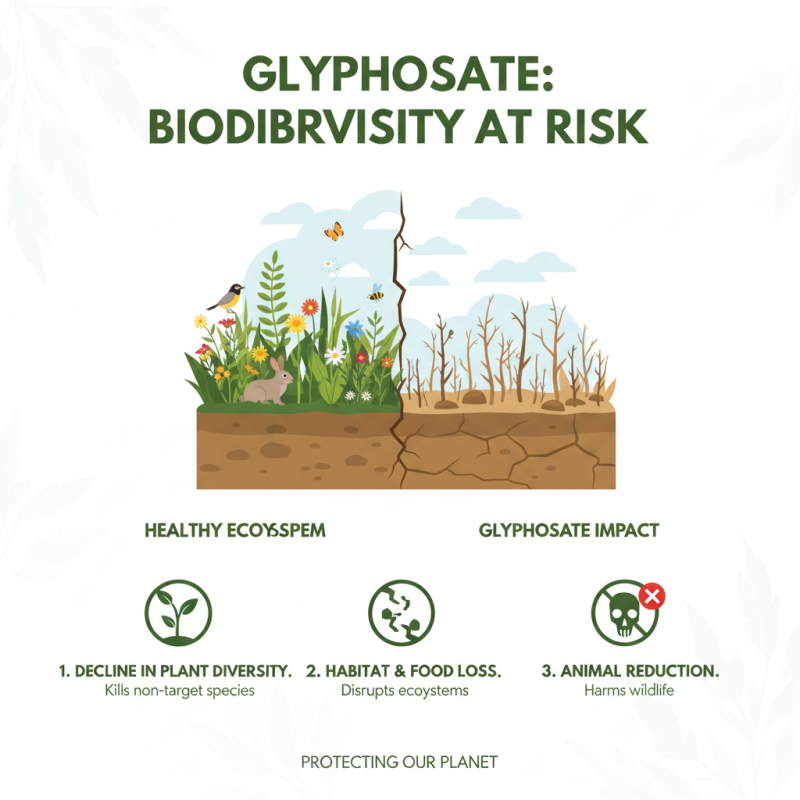
Glyphosate, a widely used herbicide in agriculture, has been implicated in various environmental concerns, particularly regarding its impact on biodiversity and ecosystems. The extensive application of glyphosate on crops has been linked to a decline in plant and animal diversity, as it not only targets weeds but also affects non-target plant species. As a result, critical habitats and food sources for numerous organisms can be severely disrupted, leading to shifts in ecosystem dynamics.
Moreover, glyphosate's persistent presence in the environment poses risks to soil health and aquatic ecosystems. Studies indicate that its runoff can contaminate water bodies, impacting aquatic life and disrupting the natural balance within these ecosystems. Additionally, the reduction in plant diversity due to glyphosate use can lead to soil erosion and degradation, further threatening the sustainability of agricultural lands. The broad-spectrum nature of this herbicide raises significant questions about the long-term health of ecosystems and emphasizes the need for a more cautious and responsible approach to Herbicide Application in farming practices.
Regulatory Status and Global Perspectives on Glyphosate Usage
Glyphosate has become a focal point of discussion in the agricultural sector, largely due to its widespread usage and the controversial debates surrounding its safety and environmental impact. According to recent reports from the Food and Agriculture Organization (FAO), glyphosate is one of the most widely used herbicides globally, accounting for approximately 40% of the herbicide market. Its effectiveness in controlling perennial weeds makes it a favored choice among farmers, particularly in the cultivation of genetically modified crops that are engineered to be resistant to this herbicide.
Regulatory statuses regarding glyphosate vary significantly across different regions, reflecting a mix of scientific assessments and public concerns. In the European Union, for instance, glyphosate's approval has undergone intense scrutiny, with various member states pushing for stricter regulations or outright bans, citing potential risks linked to human health and biodiversity.
Meanwhile, countries like the United States maintain a more lenient stance, with agencies such as the Environmental Protection Agency (EPA) affirming its safety when used according to label instructions. Despite differing perspectives, a global survey by the World Health Organization indicated that 30% of countries have restricted glyphosate use due to safety concerns, highlighting the growing divide in regulatory approaches and underscoring the continuing debate over its role in sustainable agriculture.
Alternatives to Glyphosate: Sustainable Agriculture Practices and Methods
Glyphosate has long been a staple in agricultural practices due to its effectiveness as a herbicide. However, as concerns about its safety and environmental impact grow, many farmers and agricultural experts are exploring sustainable alternatives. A focus on sustainable agriculture practices not only addresses these concerns but also promotes a healthier ecosystem.
One promising method is crop rotation, which involves alternating the types of crops grown in a given area. This practice can naturally disrupt pest cycles and improve soil health, reducing the need for synthetic herbicides. A study from the USDA indicated that fields practicing diverse crop rotations saw a 30% decrease in weed pressure over time, leading to greater yields and fewer inputs needed for pest management. Cover cropping is another effective practice, as it can suppress weed growth during off-seasons and enrich the soil with organic matter.
**Tip:** Implementing integrated pest management (IPM) strategies can significantly lower reliance on Chemical Herbicides. By combining biological, cultural, and mechanical controls, farmers can create a more resilient farming system that ultimately reduces their ecological footprint.
Additionally, organic farming methods, including the use of natural herbicides and companion planting, provide viable alternatives to glyphosate. Research from the Organic Farming Research Foundation highlighted that organic farms reduce herbicide use by more than 70%. These practices not only safeguard the environment but also cater to the growing consumer demand for clean, chemical-free produce.
**Tip:** Educating oneself about local soil health and conditions can guide farmers in selecting the best crops and organic practices suitable for their fields, fostering sustainable agriculture in their communities.
Glyphosate Usage in Agriculture and Alternatives
FAQS
: Glyphosate is a broad-spectrum systemic herbicide discovered in the 1970s. It was initially developed as a descaling agent for metal surfaces before its herbicidal properties were recognized and used in agriculture.
Glyphosate usage surged in the 1990s, particularly with the introduction of genetically modified crops resistant to it, leading to its status as one of the most widely used herbicides globally, with over 800,000 tons applied annually.
Early adopters of glyphosate-based herbicides reported significant reductions in labor and cultivation costs, with farmers achieving up to 30% savings in production costs due to reduced tillage and more effective weed management.
There have been ongoing debates regarding glyphosate's potential environmental impacts and implications for human health, raising concerns among various stakeholders in the agricultural sector.
Regulatory statuses regarding glyphosate differ significantly across regions, with the European Union scrutinizing its approval and various member states advocating for stricter regulations or bans, whereas the United States maintains a more lenient stance.
Glyphosate accounts for approximately 40% of the global herbicide market, making it a favored choice among farmers for controlling perennial weeds.
A global survey by the World Health Organization found that 30% of countries have restricted glyphosate use due to safety concerns, highlighting a divide in regulatory approaches to the herbicide's safety and application.
The use of glyphosate continues to shape discussions around sustainable agricultural practices, with ongoing debates about its role in addressing agricultural demands while considering environmental and health implications.
Conclusion
Glyphosate in agriculture is a widely used herbicide known for its effectiveness in controlling weeds. The article explores its chemical composition and historical usage, tracing its development in agricultural practices. Glyphosate works by interfering with specific biochemical pathways in plants, which leads to their death. However, the use of Glyphosate in agriculture has spurred significant controversy over safety and health risks, raising concerns about its potential adverse effects on human health and the environment.
The environmental impact of Glyphosate, particularly on biodiversity and ecosystems, is a crucial aspect of the debate. Regulatory stances vary globally, reflecting differing perspectives on its usage. As the agricultural community seeks sustainable practices, the discussion includes exploring alternatives to Glyphosate, emphasizing the importance of developing environmentally friendly methods that maintain productivity while safeguarding public health and ecological balance.

 0551-68500918
  Contact Email
 Contact WhatsApp