0551-68500918 


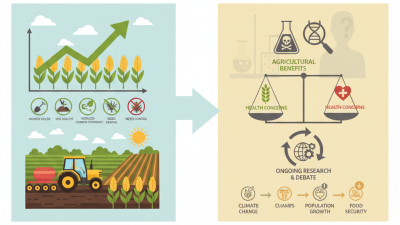
Hey, have you heard of Glyphosate Liquid? It's pretty much the go-to herbicide for lots of farmers out there. They mainly use it to tackle all kinds of weeds, which really helps boost crop yields. Honestly, a lot of growers really rely on it to keep their fields in check. What’s interesting is that it works by blocking a specific enzyme pathway in plants—something that's not even in humans or animals—so it’s generally considered safe for us.
Farmers usually spray it directly on their crops, and it tends to do a pretty good job. But, of course, there’s some ongoing chatter about what it might mean for the environment in the long run. Some studies suggest there could be impacts we're not fully aware of yet. Plus, over time, some weeds are starting to become resistant, which is a bit of a headache.
Thinking about all of this is really important. We’ve got to find that sweet spot between growing enough food and taking care of our planet. As farming practices change, so should how we use Glyphosate Liquid. It definitely pushes growers to think a bit more about sustainability and their choices—something we should all be considering, don’t you think?
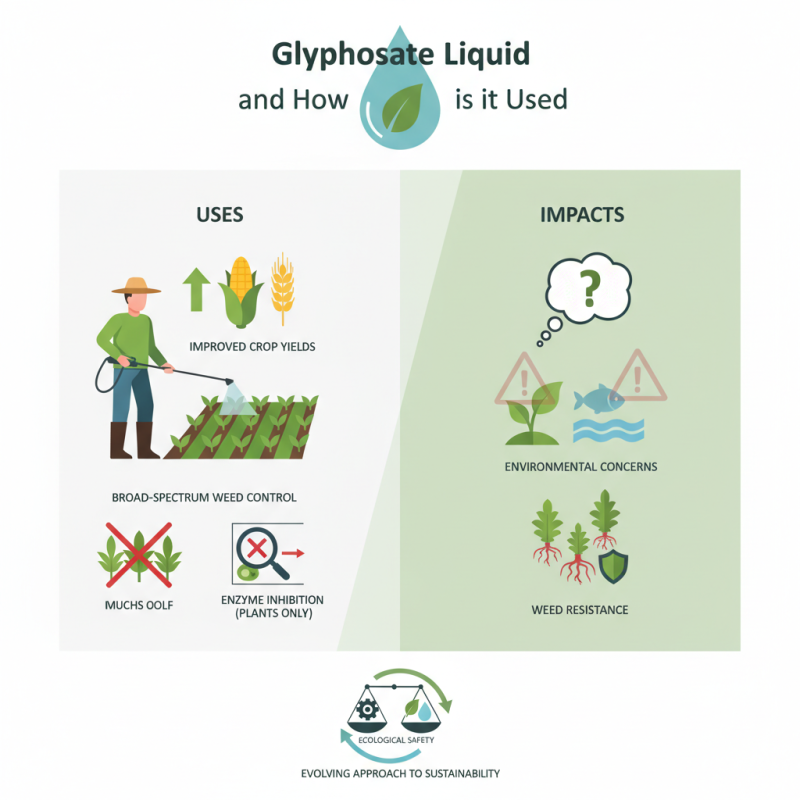
Glyphosate liquid is a widely used herbicide. It targets weeds and various invasive plants. This chemical works by disrupting specific pathways within plants. These pathways are crucial for their growth and reproduction. According to the World Health Organization, glyphosate is safe when used correctly. Yet, some studies raise concerns regarding its long-term effects.
The agricultural sector utilizes Liquid Glyphosate extensively. It's commonly applied in fields before planting crops. Farmers appreciate its effectiveness in weed control. A 2019 report from the Environmental Protection Agencyshowed that Glyphosate Use increased by20% over five years. This rise highlights its importance in modern farming practices. Some find this dependence on glyphosate concerning. They question the sustainability of using such chemicals.
Tips: Always wear protective gear when handling glyphosate. Read the label carefully before use. Ensure proper disposal to avoid environmental harm. Understanding proper application methods is vital for safety and effectiveness. Balancing efficiency with environmental considerations is essential in agriculture today.
Glyphosate is a popular herbicide recognized for its effectiveness against a wide range of weeds. Its chemical composition primarily consists of N-(phosphonomethyl) glycine. Glyphosate targets an enzyme pathway that is essential for plant growth, which humans and animals do not possess. This specificity makes it a common choice in agricultural practices globally.
Studies have shown that glyphosate accounts for nearly 25% of the global herbicide market. Many crops, especially those genetically modified for glyphosate resistance, depend on its application. However, the environmental impact of glyphosate use raises concerns. Reports indicate that the herbicide has been detected in water bodies, suggesting potential risks to aquatic ecosystems. Farmers face balancing productivity with ecological health. Switching to alternatives like Carbaryl Liquid may help reduce reliance on glyphosate.
The ongoing debate among scientists emphasizes the need for rigorous studies. Some suggest that glyphosate may impact soil health and biodiversity. Its widespread use necessitates more thorough evaluations of cumulative effects on the environment. Addressing these concerns requires reflection on sustainable practices and exploring eco-friendly solutions. As we move forward, understanding the implications of glyphosate remains crucial.
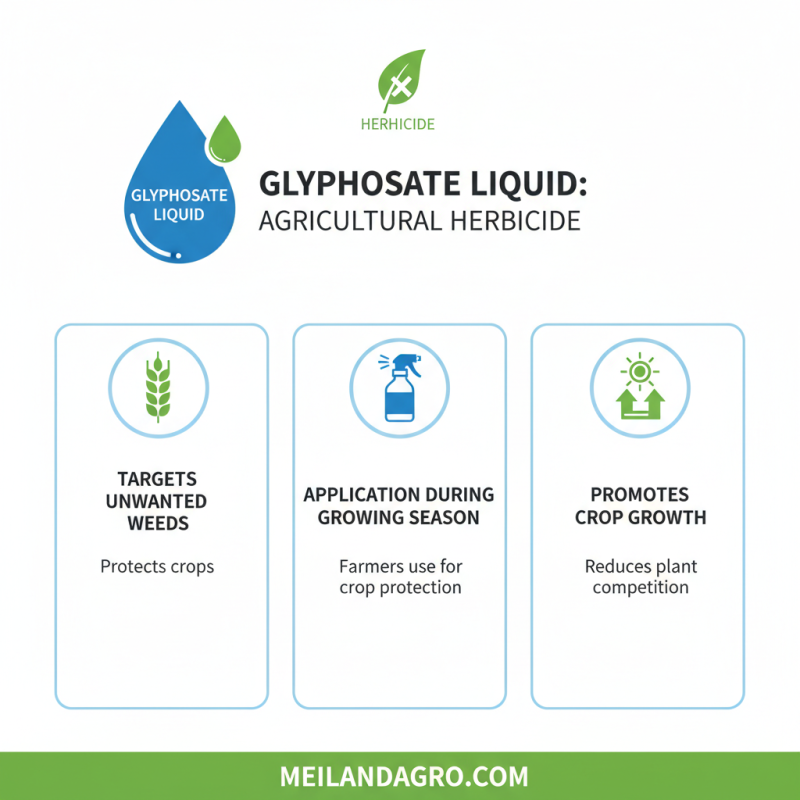
Glyphosate liquid is widely recognized for its role in agriculture. It acts as an effective Herbicide Liquid, targeting unwanted weeds. Farmers often use it during the growing season to protect crops from competition. This application allows crops to thrive by reducing the presence of harmful plants.
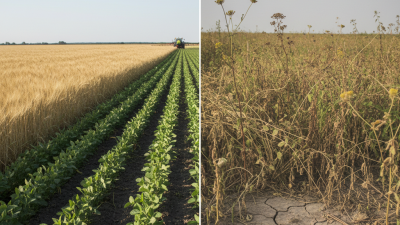
Common uses include pre-and post-emergence applications. Pre-emergence applications occur before weeds germinate, while post-emergence is used on already sprouted weeds. This flexibility helps farmers manage diverse weed populations. However, reliance on glyphosate can lead to challenges, such as weed resistance over time. This resistance can make it harder to control certain weed species, pushing farmers to seek alternative measures.
Tips: Always use glyphosate carefully. Follow local guidelines to minimize environmental impacts. Monitor fields for any signs of resistance. Regularly rotating herbicide types may prove beneficial for sustainable weed management. It's essential not to rely solely on one method for effective agricultural practices. Consider integrating cultural and mechanical weed control methods for a holistic approach.
Glyphosate liquid is widely used in agricultural practices. Its primary function is to control unwanted weeds. Understanding the application methods is crucial for effective use.
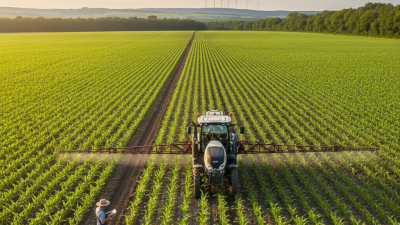
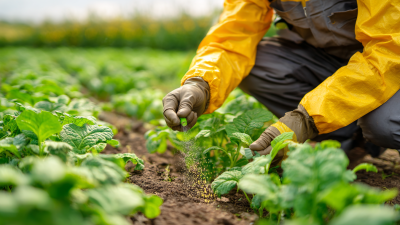
One common method is spraying. Farmers dilute glyphosate with water in a tank. They then use a sprayer to cover a wide area efficiently. This method allows for targeted application on leafy plants. A drawback is drift. Sometimes the spray can affect nearby crops unintentionally. Careful timing and wind conditions can reduce this risk.
Another approach involves soil application. This method helps to combat weeds before they surface. Glyphosate is applied directly to the soil where it can be absorbed by plant roots. However, this technique may require specific soil conditions for maximum effectiveness. Awareness of potential environmental impacts is necessary. Overuse can lead to issues like soil degradation. Effective management involves balancing usage with environmental health.
When using glyphosate liquid, safety must come first. Always wear protective gear such as gloves, goggles, and masks. Skin contact can lead to irritation. It’s important to protect your eyes from splashes too. Using a mask minimizes inhalation of particles. Avoid applying it on windy days. Wind can carry the spray to unwanted areas.
Storage is also essential. Store glyphosate in a cool, dry place away from children and pets. Check the container for leaks or damage. A closed container helps limit exposure to sunlight and moisture. Dispose of any unused product according to local regulations. Avoid pouring it down the drain or on the ground.
Remember the importance of reading labels carefully. Instructions provide necessary application rates and timing. Misusing glyphosate can have harmful effects. Reflect on your awareness of these safety measures. It is easy to overlook, but necessary for everyone’s safety. Always consider the potential environmental impact when using Agricultural Chemicals.
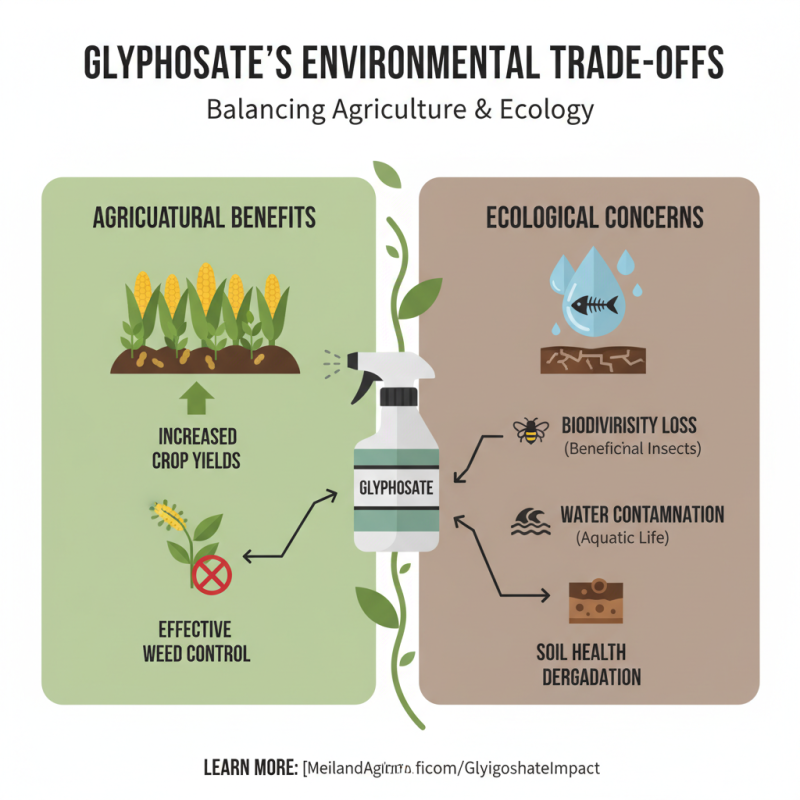
The environmental impact of glyphosate, a widely used Liquid Pesticide, raises significant concerns. It is often employed to control weeds in agricultural settings, leading to increased crop yields. However, its usage comes with trade-offs that challenge ecological balance.
Studies have shown collateral damage to non-target species. Pollinators like bees and butterflies may be harmed by glyphosate exposure. Aquatic habitats also suffer, as runoff can contaminate water sources. Such implications remind us of the delicate interplay between agriculture and wildlife preservation.
While glyphosate enhances farming efficiency, it may contribute to a cycle of dependence on chemical solutions. Farmers might struggle to find alternative methods. This highlights an urgent need for sustainable practices. Balancing productivity with environmental health remains an ongoing challenge for agricultural communities.
The regulations surrounding glyphosate products have evolved significantly in recent years. In the United States, the Environmental Protection Agency (EPA) has conducted reviews to ensure safety standards are met. According to a 2020 report, glyphosate is classified as "not likely to be carcinogenic to humans" when used according to label directions. Nonetheless, some states have imposed stricter guidelines. For instance, California requires specific labeling, adding complexity for farmers and distributors.
In Europe, the European Food Safety Authority (EFSA) has undergone extensive assessments. A 2021 review indicated that glyphosate can be used safely under controlled conditions. However, public perception varies widely. Some citizens remain concerned about health effects. This has led to debates around agricultural practices. Farmers often feel pressured due to shifting regulations and social sentiments.
As research continues, the future of glyphosate regulations remains uncertain. Industry reports suggest that sustainable alternatives are being explored. However, these options sometimes face their own challenges. Stakeholders must navigate a complex landscape of science, policy, and public opinion. Balancing agricultural needs with safety concerns is no easy task.
: This service aims to provide users with helpful information and guidance.
You can access it through a website or mobile application.
Basic features are usually free, but premium options may have a fee.
Information includes tips, how-tos, and other guidance.
Updates occur regularly to ensure accuracy and relevance.
Yes, users can submit feedback through a dedicated form.
Efforts are made to safeguard personal data, but no system is perfect.
Users can report issues via a specific reporting option in the interface.
You can reach out to customer support for assistance.
Some features might be limited for free users; this can be frustrating.
Glyphosate Liquid is a widely used herbicide essential for agricultural practices, primarily designed to control weeds and enhance crop production. Its chemical composition mainly consists of the active ingredient glyphosate, which inhibits specific enzymes crucial for plant growth. Glyphosate Liquid is commonly applied in various agricultural settings through different methods, including spot treatment and aerial spraying, ensuring efficient weed management.
While glyphosate has proven effective, it is vital to follow safety precautions during its application to minimize health risks. Additionally, the environmental impact of glyphosate use has sparked ongoing debates, prompting regulations to govern its application. Understanding these aspects of Glyphosate Liquid helps ensure responsible use while addressing agricultural needs.