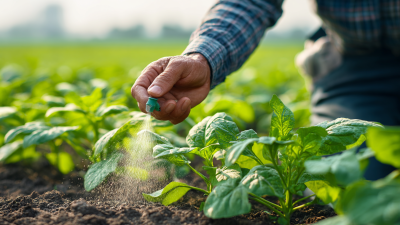
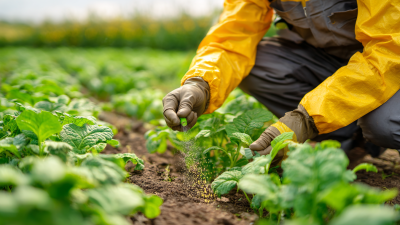
Herbicide use in farming really plays a big role in modern, sustainable agriculture these days. It’s kind of amazing how these chemicals help boost crop yields, all while keeping the environment in check. According to the Global Forum on Agricultural Research & Innovation, herbicides make up about a quarter of all pesticide spending worldwide—that’s pretty significant when you think about pest control strategies. As the challenges like climate change and food security become more real, using herbicides wisely can really help in controlling weeds, making land use more efficient, and ultimately supporting farmers’ efforts.
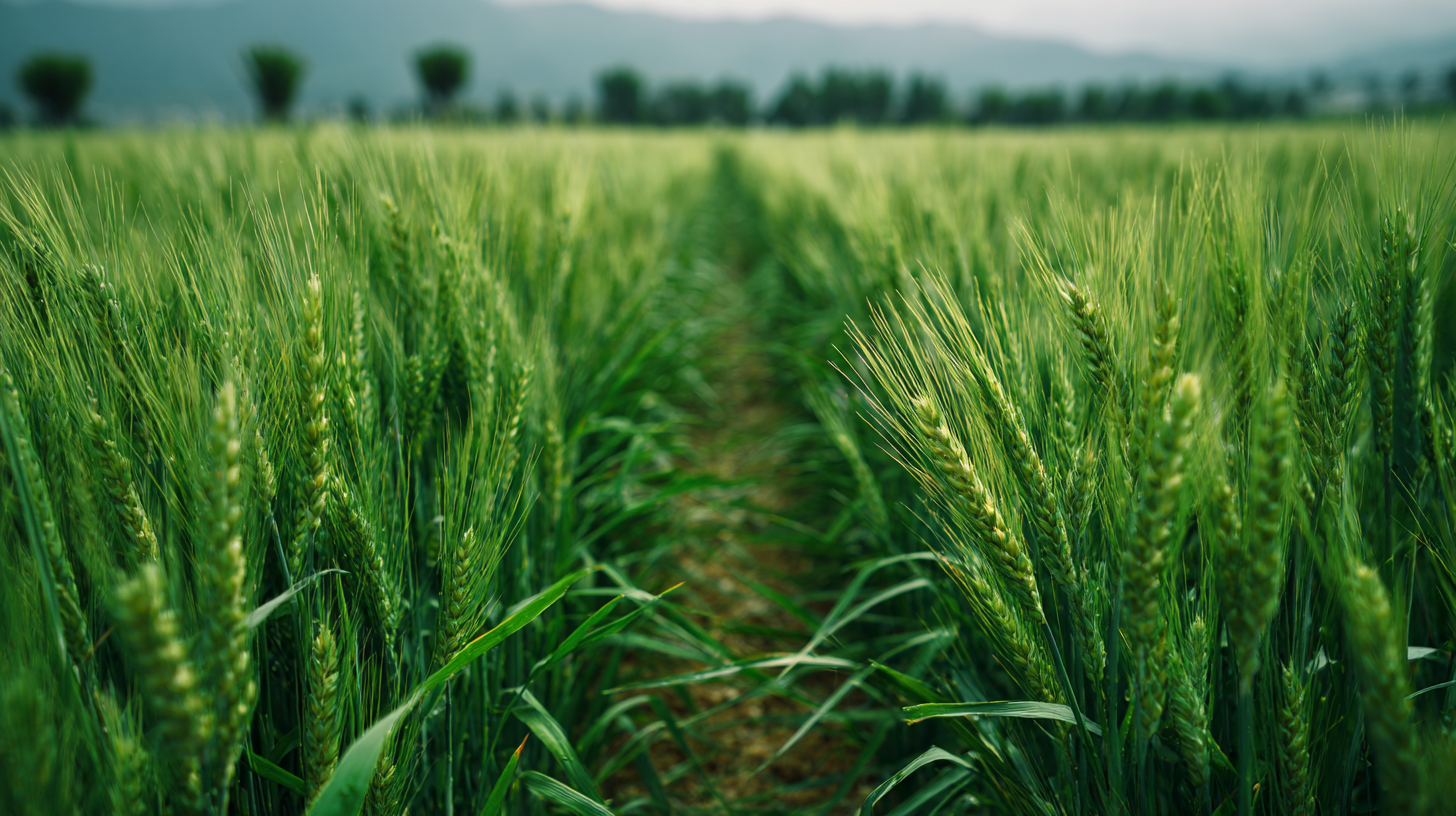
At Innovation Meiland (Hefei) Co., LTD., we're super passionate about developing new pesticides and formulations. Our goal? To make herbicides more effective, without sacrificing sustainability. By tapping into innovative tech and research, we really want to help farmers not only increase their productivity but also keep our ecosystems healthy and balanced—because, let's face it, that's what good farming’s all about.
Exploring Different Types of Herbicides Used in Sustainable Agriculture
Herbicides are pretty important when it comes to sustainable farming — they’re essential tools for managing weeds that compete with crops for nutrients and resources. The goal with sustainable practices is to use herbicides that do the job without harming the environment too much, while still keeping crops healthy. There are different kinds, like selective herbicides that target specific weed species without damaging the crops, and non-selective ones that kill pretty much everything. This way, farmers can control weeds effectively while protecting biodiversity.
At Innovation Meiland (Hefei) Co., LTD., they’re really dedicated to developing new pesticides and formulations that align with sustainable farming trends. According to a recent FAO report, adopting integrated weed management — basically combining chemical and non-chemical methods — can cut down herbicide use by up to 30% in some cropping systems. That’s a big step toward more eco-friendly agriculture and a cleaner planet for future generations.
Tip:When it comes to Applying Herbicides, farmers should first look at what weed species are actually growing in their fields. Picking the right herbicide for those weeds is key, so they don’t accidentally contribute to resistant weeds becoming a problem. Ringing in some variety by rotating different herbicide types can really help keep them effective over time. Plus, using other methods like cover crops can work great alongside herbicides, making the whole approach more sustainable and balanced.
Assessing the Impact of Herbicides on Soil Health and Biodiversity
You know, the use of herbicides in farming has really sparked some serious worries about how it affects our soil and the diverse life that calls it home. Recent studies have shown that pesticides, including herbicides, can accidentally harm the tiny creatures that live in the soil — and, honestly, that's pretty concerning because it reduces the rich variety of soil life. Losing that biodiversity isn't just a minor problem—it's a big deal because it messes with the natural balance that's vital for things like nutrients cycling and maintaining healthy soil structure, which are all super important for sustainable farming. Plus, when you pile herbicides on top of other farming practices like tilling, it can make things even worse for the microbes and fungi in the soil, leading to lower crop yields over time.
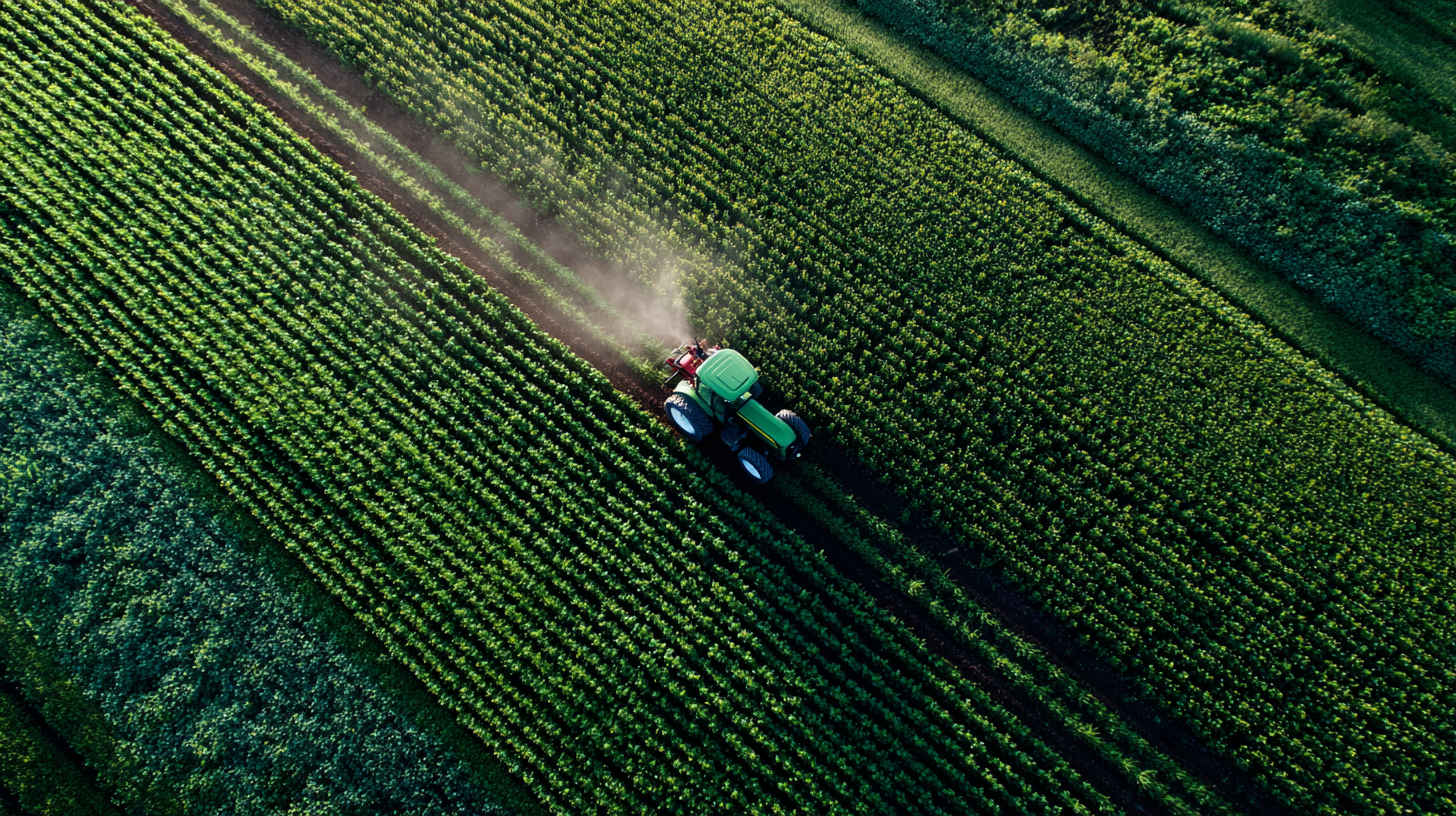
The environmental side of all this is pretty significant, too. As we keep introducing more kinds of pesticides, it’s linked to a decline in the soil’s microbial functions, which is a red flag for the future of farming. That’s why people are looking into new methods, like conservation agriculture, to control weeds without going totally overboard on chemicals. These strategies focus on keeping our soil healthier and more resilient. Companies like Meiland are actually investing in research to develop better, more sustainable pesticides that work in harmony with soil health and biodiversity, trying to soften the blow that traditional chemicals tend to deliver to our ecosystems. It’s all about finding smarter ways to farm while protecting the environment, you know?
Implementing Integrated Pest Management with Herbicides
Lately, implementing Integrated Pest Management (or IPM, as folks call it) has really been gaining ground as a key part of sustainable farming. Basically, it’s all about using a mix of biological, cultural, and mechanical methods to keep pests in check—without leaning too heavily on Chemical Pesticides. One important piece of this puzzle is the careful use of herbicides. They help control pesky weeds that compete with crops for space and nutrients, which can actually lead to better yields. The USDA says that smart weed management can bump up crop production by as much as 30%. That shows just how vital herbs can be when used thoughtfully alongside other practices.
On top of that, recent studies are highlighting that when farmers apply herbicides properly within an IPM setup, it helps in reducing herbicide resistance—a problem that's becoming more and more of an issue these days. The American Journal of Agricultural Economics mentioned that farmers who combine herbicides with IPM saw about a 25% drop in resistant weed strains compared to those just using herbicides alone. It’s kind of a win-win situation: this integrated approach not only makes farming more sustainable but also helps us keep pest control effective in the long run. Honestly, it’s pretty clear that farmers should embrace this combo if they want to stay productive while also protecting the environment.
Best Practices for Herbicide Application in Sustainable Farming
Herbicides really play a key role in making agriculture more sustainable. They help farmers control weeds more effectively, and when used wisely, they can also reduce environmental harm. If you plan your herbicide applications carefully, it can lead to better crop yields and healthier soil. But to get those benefits, it’s important to stick to best practices that support sustainable farming.
A good rule of thumb is to apply herbicides at the right time and under favorable weather conditions. Doing this not only boosts how well the chemicals work but also cuts down on runoff and prevents harm to plants that you didn’t intend to target. Oh, and using precision farming tech can make a big difference—like pinpointing where weeds are and spraying only where needed. That way, you're using less herbicide overall, which is better for the environment.
Plus, combining herbicide use with practices like crop rotation and cover cropping really helps manage weed resistance and boosts biodiversity on the farm. It's also smart to keep an eye on how well your treatments are working and make adjustments as needed. That way, your farm stays resilient, and you're doing your part to promote sustainability.
Understanding the Role of Herbicides in Sustainable Agriculture Practices - Best Practices for Herbicide Application in Sustainable Farming
| Practice | Description | Benefits | Challenges |
| Integrated Weed Management | Combining herbicides with cultural and mechanical practices. | Reduces herbicide reliance, increases biodiversity. | Requires knowledge of multiple approaches. |
| Site-Specific Herbicide Application | Using GPS to apply herbicides precisely where needed. | Minimizes chemical use and environmental impact. | High initial investment in technology. |
| Proper Timing of Application | Applying herbicides at specific growth stages of weeds. | Maximizes effectiveness and reduces repeat applications. | Weather dependency impacts timing. |
| Use of Cover Crops | Planting cover crops to suppress weed growth naturally. | Improves soil health and reduces herbicide requirement. | Requires management and additional planting effort. |
| Educating Farmers | Training on sustainable herbicide use practices. | Enhances knowledge and reduces misuse of herbicides. | Ongoing commitment needed for education programs. |
Evaluating the Economic Benefits of Using Herbicides Sustainably
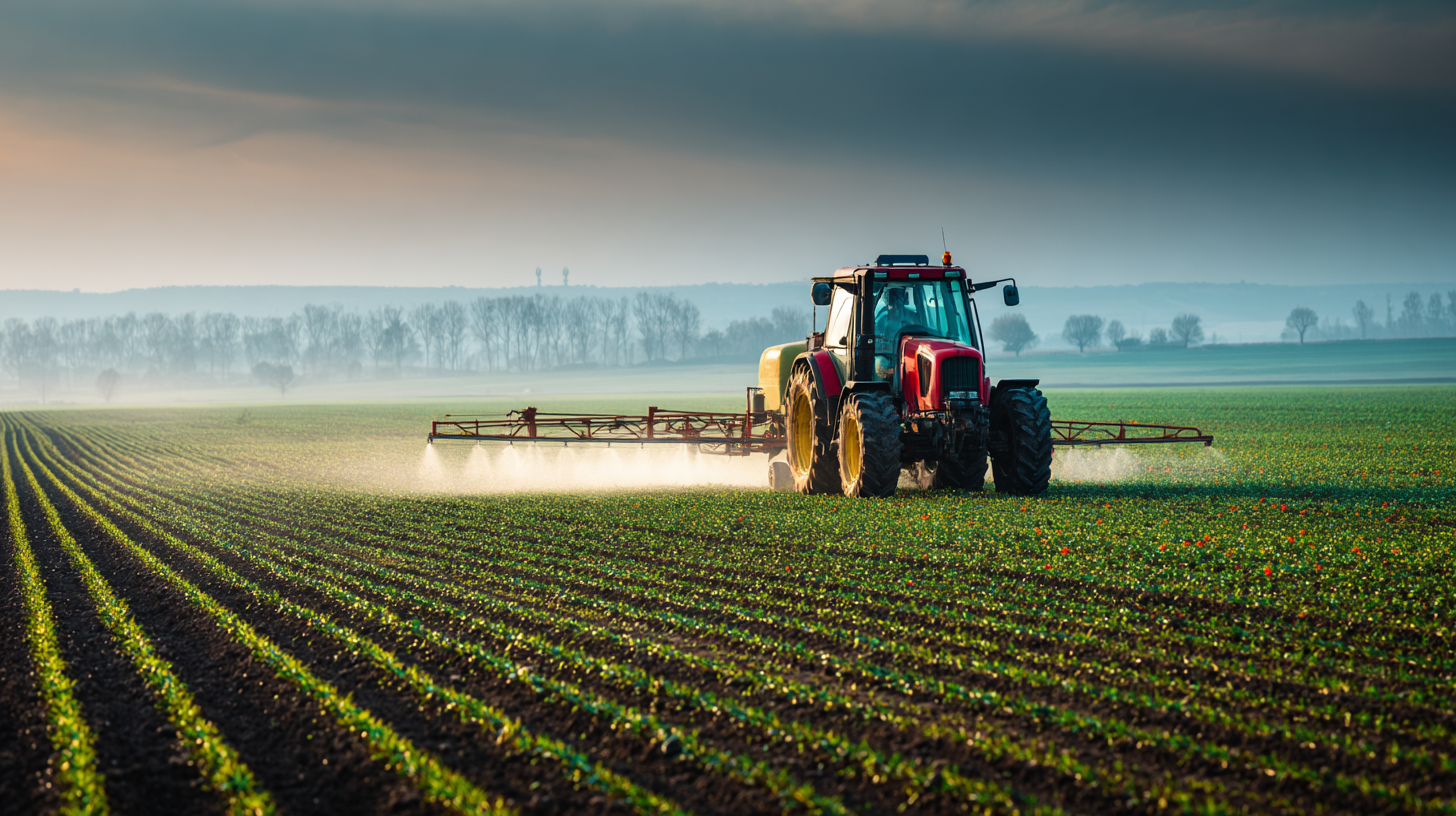 Herbicides, when used wisely and responsibly, can really bring some solid economic benefits to farmers and the agricultural world overall. In fact, in sustainable farming, being careful with herbicide use helps cut down on the over-reliance on pesticides — which can be a big issue, especially in many developing countries. By blending different weed management techniques and choosing selective herbicides, farmers can keep weeds in check without harming their crops. This not only boosts yields but also helps farmers make more money, which can be reinvested into even more sustainable practices.
And it’s not just about individual farmers — these benefits spill over into society too. Sustainable farming practices, as pointed out by the OECD's Co-operative Research Programme, don’t just improve crop production, but also support the stability of rural communities' economies. Plus, by reducing pesticide use, we’re not just protecting the environment, but also lowering health risks related to pesticides — which means fewer health issues and lower healthcare costs, and potentially less lost work time due to pesticide-related illnesses. In the end, understanding how to use herbicides responsibly isn’t just good for farmers’ wallets — it’s a win for Mother Earth too, helping us move closer to global sustainability goals and a healthier planet.
Innovative Alternatives to Traditional Herbicides in Agriculture
Lately, the agriculture world has been shifting pretty noticeably toward more sustainable practices, especially when it comes to finding smarter alternatives to those traditional herbicides we've relied on for ages. You know, the ones that use synthetic chemicals? Turns out, they can seriously mess with the soil and even threaten local biodiversity. A 2022 report from the International Agricultural Management Institute pointed out that non-selective herbicides can cut down soil microbial activity by as much as 30%. That’s a pretty big deal and definitely makes folks rethink their use.
On the bright side, more farmers are trying out innovative methods like cover cropping and integrated pest management, or IPM for short. Cover crops do double duty — they keep weeds at bay and actually boost soil health by helping with moisture and nutrient retention. A study published in the Journal of Sustainable Agriculture in 2023 found that fields with cover crops had about half as much weed biomass compared to those treated with conventional herbicides — pretty impressive, right? Plus, IPM is all about using natural stuff like beneficial insects to control pests, reducing the need for chemical pesticides.
**A little tip:** If you’re farming, think about adding cover crops to naturally keep weeds in check and give your soil a boost. Also, check out local workshops or resources on IPM strategies — it’s a great way to manage pests effectively while cutting down on herbicide use. These kinds of sustainable practices not only help out the environment but can also save you some serious cash in the long run.
Understanding the Role of Herbicides in Sustainable Agriculture
This chart illustrates the potential adoption rates of innovative alternatives to traditional herbicides in sustainable agriculture practices over a five-year period.
FAQS
: Herbicides can have detrimental non-target effects on soil fauna communities, leading to a reduction in soil biodiversity, which undermines ecological balance, nutrient cycling, and soil structure essential for sustainable farming.
Increasing pesticide diversity has been linked to a decline in soil microbial functions, raising questions about the long-term sustainability of current agricultural practices.
Conservation agriculture is being explored to manage weed control sustainably while promoting healthier soil ecosystems and reducing reliance on chemical inputs.
Alternatives such as cover cropping and integrated pest management (IPM) are gaining traction. Cover crops suppress weeds and improve soil health, while IPM utilizes biological control methods to manage pests.
According to a 2023 study, fields with cover crops showed a 50% reduction in weed biomass compared to those treated with conventional herbicides.
A report indicates that non-selective herbicides can decrease soil microbial activity by up to 30%, prompting reevaluation of their use.
Farmers can introduce cover crops to naturally suppress weeds and enhance soil quality, as well as seek out local workshops on IPM strategies for better pest management.
Sustainable alternatives not only benefit the environment but can lead to long-term economic savings for farmers.
Companies like Meiland are investing in research and development to create sustainable pesticide formulations that consider soil health and biodiversity.
Biodiversity is critical for nutrient cycling and soil structure, which are essential for sustainable farming and overall crop productivity.
Conclusion
So, I came across this article called 'Understanding the Role of Herbicides in Sustainable Agriculture Practices,' and honestly, it’s pretty insightful. It digs into how herbicides fit into the bigger picture of sustainable farming — you know, what types are out there, and how they affect the soil and the local ecosystems. It also gets into integrated pest management techniques that include herbicides, sharing some good tips on how to use them responsibly so they don’t do more harm than good. Plus, it talks about the economic perks of switching to more sustainable herbicide methods, while also throwing in some innovative alternatives to the usual options. All these points are super useful, especially for companies like Innovation Meiland (Hefei) Co., Ltd., who are working on new pesticide formulas with sustainability in mind. Ultimately, it’s about boosting farm productivity without messing up the environment — a balance that’s pretty crucial these days.

 0551-68500918
  Contact Email
 Contact WhatsApp