Every year, the challenges faced by farmers grow a bit more intense. They’re really looking for effective and sustainable Crop Protection Solutionsto keep their crops safe and productive. I came across a report from MarketsandMarkets that says the global Crop Protection Market could hit around $79.3 billion by 2026 — pretty staggering, right? It just shows how much there's a push for innovative ways to battle pests and diseases these days.
But honestly, picking the right crop protection products can be pretty overwhelming. There’s a lot to consider—like how it impacts the environment, what kind of crop you’re growing, and of course, the cost. The FAO’s research points out that if farmers use chemicals without proper care, it can mess with soil health in the long run. Sometimes, folks stick to traditional methods without really checking out newer options that might actually work better.
It's really important to take a step back and think about these choices. We need a balanced approach — weighing the pros and cons of each crop protection solution. What we decide today could totally shape the future of farming. So, making well-informed decisions, backed by solid data, isn't just smart — it’s essential for ensuring we farm sustainably and keep yields high. After all, it’s all about finding that sweet spot between productivity and preservation.
Understanding Crop Protection: Importance and Objectives
Understanding Crop Protection is vital for sustainable agriculture. Effective crop protection helps ensure food security by minimizing losses caused by pests, diseases, and weeds. Farmers need to grasp the importance of using the right methods, which can vary based on specific crops, geographical areas, and threats.
Tips:Always assess your field conditions before choosing Crop Protection Solutions. Know your enemy, whether it's a pest or disease. Monitor your crops regularly for signs of distress. This early detection can lead to more effective intervention.Do not solely rely on chemical solutions. There are numerous methods available, including cultural and biological practices.
Farmers must reflect on their decisions and practices. The wrong choice in crop protection can lead to wasted resources. Additionally, it can create resistant pests or reduce beneficial insect populations. Balance is key in crop protection. Integrate strategies that not only manage threats but also protect the environment. Be conscious of the long-term impacts of your choices on biodiversity.
Types of Crop Protection Solutions: An Overview
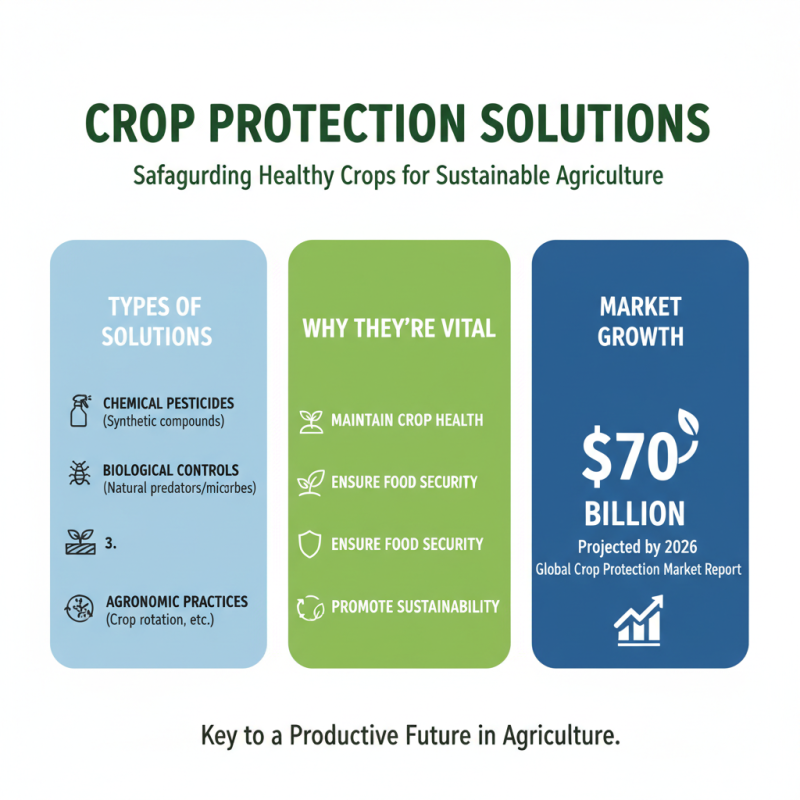
Crop protection solutions are vital for maintaining healthy crops and achieving sustainable agriculture. There are various types of crop protection solutions, each serving specific needs. These solutions include chemical pesticides, biological controls, and agronomic practices. According to the Global Crop Protection Market report, the market is projected to reach $70 billion by 2026, indicating the growing demand for effective crop protection.
Chemical pesticides are still the most commonly used. They are highly effective, but their impact on the environment is a concern. Biological controls, such as beneficial insects, offer a greener alternative. Yet, they may not provide immediate results, requiring time and patience. Agronomic practices involve crop rotation and cover cropping, which help in preventing pest infestations and improving soil health. Maintaining this balance is essential for sustainable farming.
**Tips:** Always evaluate your specific crop needs before choosing a solution. Doing thorough research may save time and resources. Also, consult with local agricultural experts for tailored advice. Remember, not all solutions fit all situations. Balancing efficacy and environmental impact is crucial for long-term success.
Assessing the Effectiveness of Different Crop Protection Methods
When choosing crop protection methods, effectiveness is key. Different strategies can vary greatly. Understanding their impacts is crucial. For example, chemical pesticides may offer quick results but can harm beneficial insects. This may lead to an ecological imbalance. It's essential to weigh the immediate benefits against long-term consequences.
Integrated pest management (IPM) offers a more balanced approach. It combines biological control, habitat manipulation, and resistant crop varieties. However, implementing IPM requires patience and knowledge. Success is not always guaranteed. Experimenting with various methods can lead to valuable insights and better results.
Tips: Regularly assess your results. If one method fails, don't be afraid to pivot. Monitor pest populations and crop health. A "Crop Protection Logo" can help identify safe and effective solutions. Continuous learning will enhance your crop protection strategies.
Factors to Consider When Selecting Crop Protection Products
When choosing crop protection solutions, several factors play a crucial role. The nature of the threat is essential. Pests and diseases vary widely, affecting crop yields differently. Recent reports state that crop losses due to pests can reach up to 40%. Understanding the specific challenges faced in your region can guide product selection.
Environmental impact is also critical. Many growers are concerned about sustainability. Research shows that about 75% of farmers prioritize eco-friendly crop protection solutions.
Balancing effectiveness with environmental safety is a challenge. It's vital to assess the impact of options in the Crop Protection Market.
Cost is another factor to weigh carefully. While some solutions may be cheaper, they might not be effective long-term. Studies indicate that investing more in quality products can boost yields by up to 30%. This highlights the need for a comprehensive evaluation of potential products. Each decision requires thought and reflection on what truly benefits the crops and the environment.
Environmental Impact of Crop Protection Solutions
The environmental impact of crop protection solutions is a pressing concern. Many practices can harm ecosystems. Chemical runoff often pollutes waterways, disrupting aquatic life. It can lead to the loss of biodiversity. For instance, pesticides can kill beneficial insects and pollinators. This not only affects plants but also the animals that rely on them.
Sustainable alternatives require more attention. Integrated pest management blends techniques that are less harmful. Crop rotation and biological control methods enhance soil health. Yet, these methods need more research and local adaptation. Farmers face challenges in implementing them due to costs or lack of knowledge.
While innovations in crop protection emerge, they must be evaluated for their true environmental impact. What sounds effective on paper may not translate well in practice. We need to consider long-term effects over short-term gains. Continuous assessment and adaptation are necessary in this complex field. As we explore crop protection solutions, it is crucial to prioritize our planet's health.
Regulatory Considerations and Compliance in Crop Protection
When considering crop protection solutions, regulatory compliance is crucial. The landscape of agricultural regulations is complex and varies by region. Focusing on compliance helps ensure product safety and efficacy. In the U.S., the Environmental Protection Agency (EPA) oversees pesticide regulation. Meanwhile, in the EU, compliance with REACH is essential for safety assessments. Keeping abreast of these regulations can prevent costly setbacks.
It's important to note that understanding local regulations isn’t a one-time effort. Compliance requires ongoing education, as rules often change. A recent survey showed that 45% of growers reported confusion over changing agricultural regulations. This highlights the need for clear communication and guidance from authorities.
Tip:
Stay updated on regulatory changes by subscribing to industry newsletters. Regular training can also help in maintaining compliance.
Farmers must balance efficacy and environmental safety. The challenges in navigating regulations can feel overwhelming. Yet, finding the right solutions contributes positively to the
Global Crop Protection effort. Awareness reduces the risk of violations.
Tip:
Engage with local agricultural extension services for personalized compliance support. This can clarify processes and keep you informed.
Future Trends in Crop Protection: Innovations and Sustainability
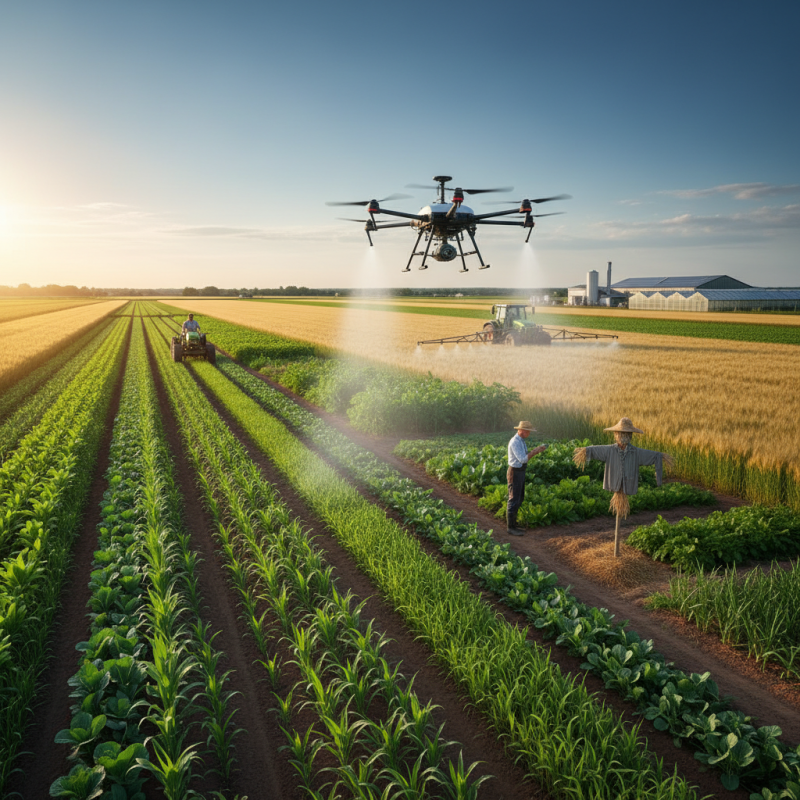
The future of crop protection lies in innovative approaches and sustainable practices. Emerging technologies are reshaping how we manage pests and diseases. For instance, precision agriculture uses GPS and sensors to monitor crop health closely. This technology allows farmers to apply treatments only where needed. Such efficiency reduces chemical use and minimizes environmental impact. It’s an exciting development, but not without challenges. Access to advanced tools can be limited, especially for small-scale farmers.
Another trend is the use of biological solutions. Bio-pesticides derived from natural sources are gaining traction. They promise to tackle pests with less harm to beneficial organisms. However, efficacy can vary. Some farmers may find it hard to switch from conventional chemicals due to uncertainty. Balancing new solutions with traditional practices requires careful consideration. Education and support from agricultural experts are critical in this transition.
As we look ahead, sustainability is a key theme. Practices like crop rotation and integrated pest management promote biodiversity. This approach can create healthier ecosystems. Yet, growers must adapt to these methods. Some may resist change, fearing lower yields. However, investing in sustainable practices could yield long-term benefits. The road to effective crop protection is complex, filled with both promise and hurdles.
FAQS
: The service aims to provide users with helpful information and guidance.
You can access the service through various platforms, including websites and mobile apps.
Users can find articles, tutorials, and FAQs on a variety of topics.
Accessing the basic features is usually free, but premium options may require payment.
Content is updated regularly, but not every topic is reviewed at the same frequency.
Yes, user feedback is encouraged and can help improve the service.
While efforts are made to provide accurate info, users should verify details from multiple sources.
Users can report issues through the help section or contact support directly.
Yes, not all inquiries may receive immediate responses. Some information may require more time.
Conclusion
The article "2026 How to Choose the Best Crop Protection Solutions?" provides an in-depth exploration of the critical aspects of crop protection in modern agriculture. It emphasizes the importance and objectives of crop protection, highlighting its role in ensuring sustainable food production. The article reviews various types of crop protection solutions available, assessing their effectiveness and the factors that farmers should consider when selecting the right products for their needs.
Moreover, it discusses the environmental impacts associated with different methods and the necessity for regulatory compliance in crop protection practices. Looking ahead, the article identifies future trends in the field, focusing on innovations aimed at enhancing sustainability. Overall, this comprehensive overview equips readers with the knowledge required to make informed decisions when choosing crop protection solutions.

 0551-68500918
  Contact Email
 Contact WhatsApp