0551-68500918
 Leave Your Message
- Contact Number
-
 Contact Email
 -
 Contact WhatsApp
- Contact WeChat

Lately, more and more homeowners are really starting to care about safer ways to keep pests under control. It’s no surprise—people want effective solutions that don’t put their health or the environment at risk. I came across a report from the National Pest Management Association (NPMA) that mentioned about 44% of homeowners are now leaning toward eco-friendly pest control methods. That’s quite a jump! In this shift, 'In Home Pesticides' have become a pretty important option. They offer a good balance—they work well when used properly and are much safer than traditional chemicals.
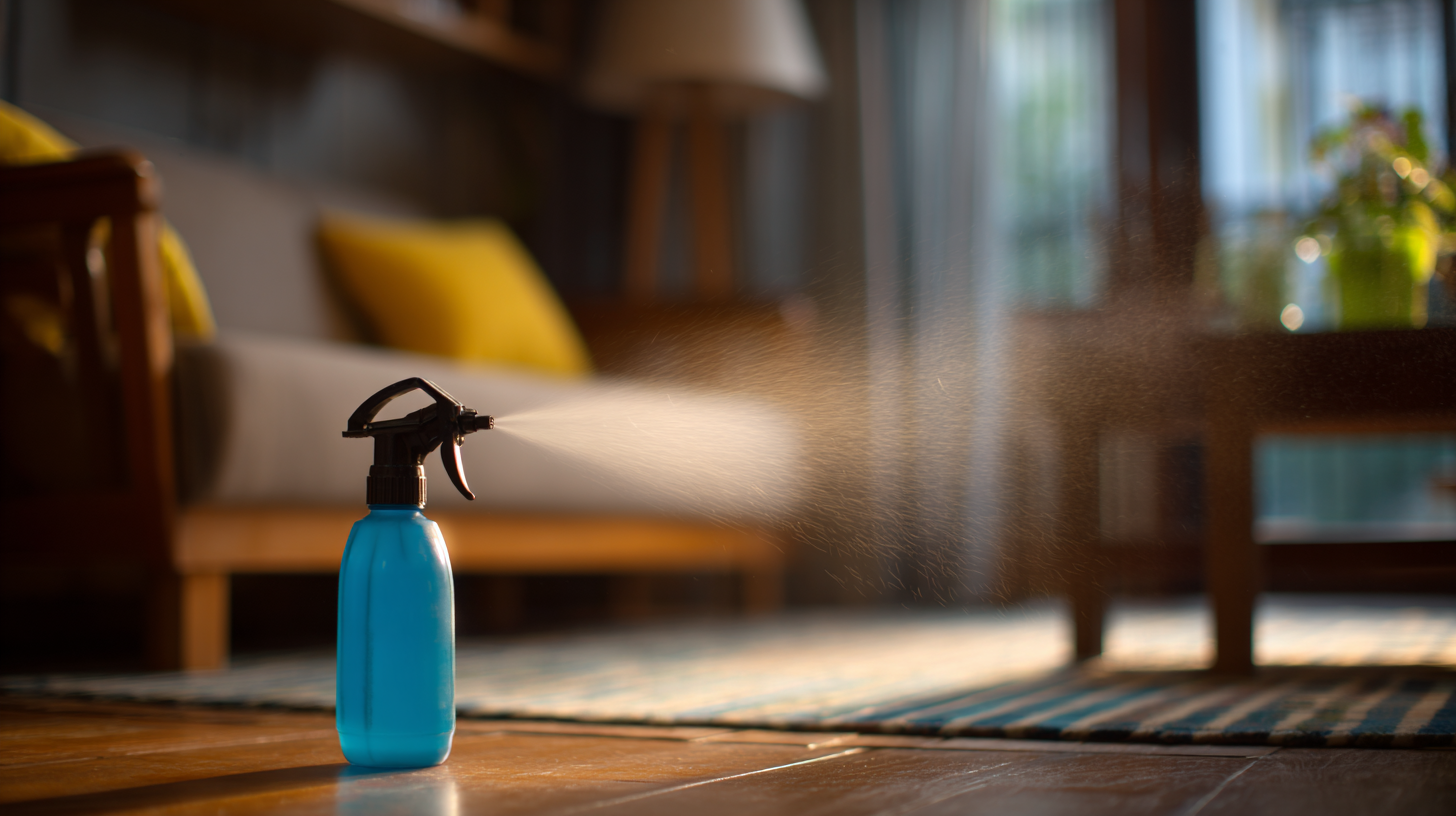
A big part of why folks are going this route is because they’re more aware of the dangers tied to older pest control products. Many of those contain harsh chemicals that can pose health issues. The U.S. Environmental Protection Agency (EPA) also warns that improper use of pesticides can mess with indoor air quality and lead to health problems. So naturally, people are looking for other options—solutions that are made specifically for home use, which lower the risk of exposure but still do a good job handling pests.
Plus, you can see how this fits into a larger trend of living more sustainably. Lots of new 'In Home Pesticides' now combine natural ingredients with innovative tech—they’re better for keeping pests away, but also safer for people and pets. If you look at the top five options for 2025, it’s clear these products aren’t just meeting the needs of eco-conscious consumers—they’re actually raising the bar for responsible pest control all around.
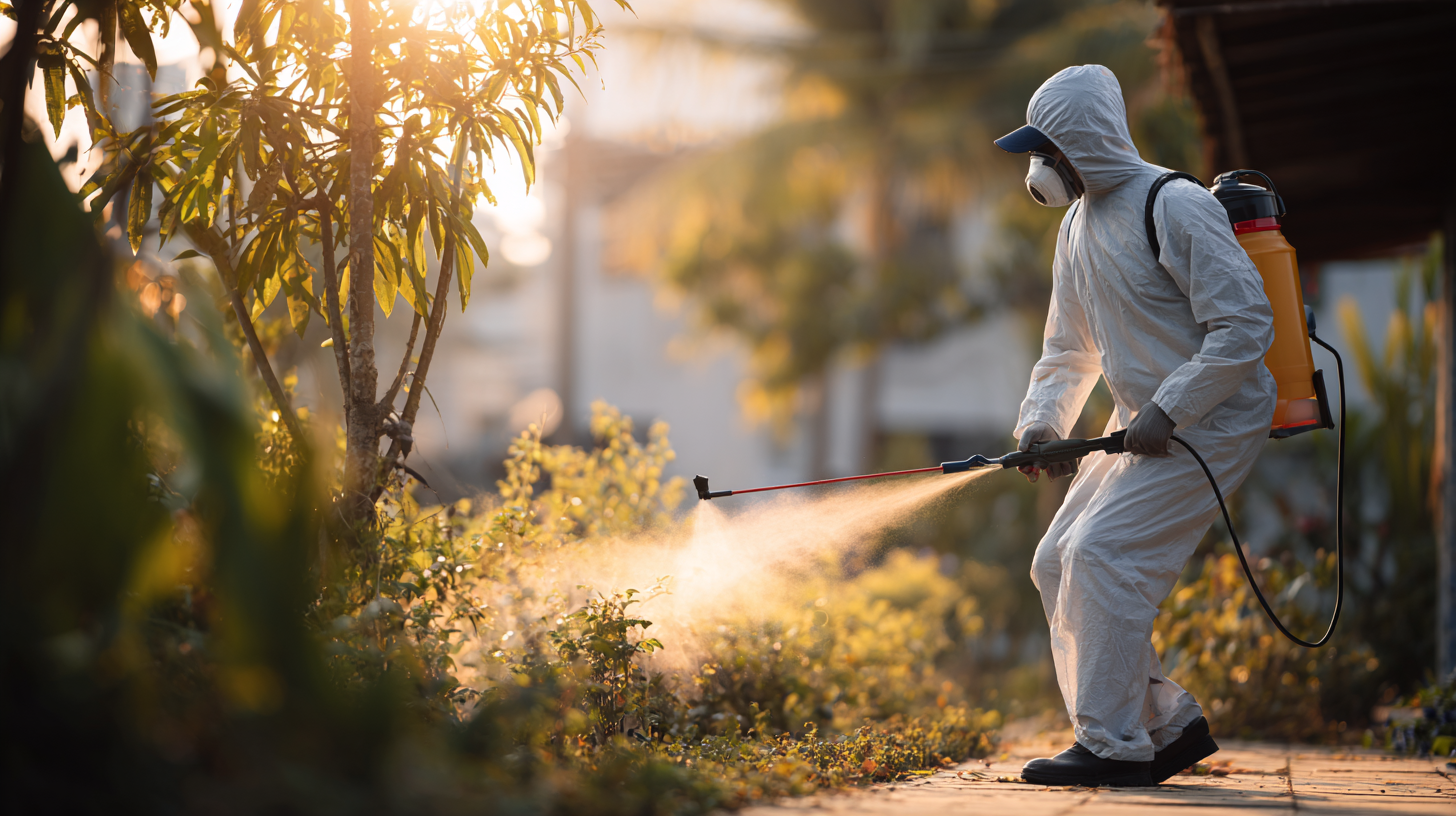 In-home pesticides provide a comprehensive solution for residential pest management, combining safety and effectiveness. One of the significant benefits of using in-home pesticides is their precision in targeting pest problems without the need for invasive measures. These products are often formulated to minimize risks to humans and pets, making them ideal for environments where safety is paramount. Moreover, the rising demand for eco-friendly solutions in pest control reflects a growing consumer awareness of the importance of sustainable practices, aligning perfectly with the attributes of many modern in-home pesticide options.
Furthermore, the pest control service market is seeing a notable shift towards comprehensive pest management strategies, which includes the use of in-home pesticides. This trend is supported by companies expanding their services to meet the increasing demand for innovative pest control methods. By choosing in-home pesticides, homeowners not only address their pest issues effectively but also contribute to the broader movement towards environmentally conscious practices in pest management. Each application not only helps alleviate immediate pest concerns but also supports a commitment to maintaining a safe and healthy living environment.
: Recent studies indicate that professional-grade insecticides used within homes can achieve up to a 90% reduction in pest populations in just a few days.
A survey revealed that over 80% of pest control professionals favor in-home pesticides due to their efficacy and lower health risks compared to traditional pesticides.
Many in-home pesticides are designed to minimize exposure to children and pets, using non-toxic or less-toxic ingredients that prioritize household safety.
There is a growing shift towards safer, eco-friendly pest management solutions, with recent regulations leading to stricter controls on harmful pesticides, particularly neonicotinoids.
The reliance on chemical pesticides has raised concerns about environmental degradation, necessitating better public awareness of pesticide usage and its long-term effects.
Initiatives like the UK Pesticides National Action Plan 2025 promote sustainable practices in pest management to minimize risks while effectively addressing pest problems.
DIY pest control subscription services provide tailored pest management kits, empowering homeowners to handle infestations using safer, customized methods.
Integrating education about pest behaviors and sustainable practices can lead to more environmentally friendly pest control solutions and better consumer decision-making.
In-home pesticide solutions are increasingly compliant with safety standards and focus on being environmentally friendly, reflecting a trend towards sustainable pest management.
Improved public awareness of pest biology and the risks associated with pesticide use is essential for promoting safer and more effective pest control practices.
In Home Pesticides have emerged as a safe and effective solution for residential pest management, offering numerous benefits that cater to the needs of homeowners. With industry statistics highlighting their effectiveness, these products are designed with stringent safety standards that often surpass those of commercial alternatives. Furthermore, the environmental impact of In Home Pesticides is significantly lower, making them a responsible choice for pest control.
Customer satisfaction rates indicate a growing preference for these easy-to-use solutions, which provide a cost-effective alternative to professional pest services. As a leader in innovation, Meiland Stock is committed to researching and developing new formulations and processes that enhance the efficacy and safety of In Home Pesticides, ensuring that homeowners can confidently tackle pest issues while prioritizing their health and the environment.