Lately, there's been a lot of concern about how harmful pesticides are impacting our communities and the environment. It’s really driven a lot of folks to step up and do something about it. Many residents realize that starting a petition is a pretty crucial first move in pushing for change. Dr. Emily Green, who’s well-known for her work in environmental health and is a big voice in the 'Petition Pesticides' movement, explains it well: 'Community-driven efforts can really motivate local governments to rethink the use of these dangerous chemicals that threaten public health.' That just highlights how grassroots action is key when it comes to tackling the widespread issue of pesticide use.
Making a petition isn’t just about raising awareness; it’s also about bringing people together so they can speak with one voice against practices that might put their families or the environment at risk. Taking Dr. Green’s insights into account, folks can get a handle on what specific pesticide issues are hitting their neighborhoods and gather the info they need to make a strong case. When communities come together and organize, they have a better shot at pushing for safer farming practices and policies that actually protect our health and the planet. In the end, organized petitions can really help communities carve out a path toward a future that's healthier and free from harmful pesticides.

Understanding the Impact of Pesticides on Community Health and Environment
The impact of pesticides on community health and the environment is a significant concern that cannot be ignored. Pesticides, while intended to protect crops from pests, often pose considerable risks to human health and local ecosystems. Research has shown that prolonged exposure to these chemicals can lead to various health issues, including respiratory problems, neurological disorders, and even certain cancers. Vulnerable groups, such as children and the elderly, are particularly at risk, making it essential for communities to consider the long-term effects of pesticide use on their well-being.
In addition to health risks, pesticides can severely disrupt local ecosystems. Harmful chemicals can contaminate soil and water sources, leading to a decrease in biodiversity. Beneficial insects, such as bees and butterflies, may be adversely affected, which can disturb pollination processes vital for food production. Furthermore, the runoff from treated agricultural fields can lead to the degradation of aquatic habitats, threatening fish and other wildlife. Raising awareness about these environmental impacts is crucial in galvanizing community members to advocate for healthier practices that prioritize both human health and ecological balance.
Assessing Local Pesticide Usage: Data and Statistics from Relevant Studies
Assessing local pesticide usage is crucial for understanding its impact on health and the environment. Recent studies highlight alarming statistics regarding the prevalence of harmful pesticides in community settings. For instance, data may reveal that a significant percentage of agricultural and urban areas utilize pesticides linked to detrimental health effects, such as respiratory issues and endocrine disruptions. By gathering such information, residents can present compelling arguments to local authorities for reducing or banning these substances.
Tips for gathering data effectively include reaching out to local agricultural extensions, community health organizations, and environmental agencies. Many of these institutions conduct surveys and research on pesticide use and its effects. Engaging with community members can also provide anecdotal evidence of health issues potentially linked to local pesticide practices. Additionally, consider organizing community workshops to educate residents on the importance of this issue and share the gathered data with fellow advocates.
Ultimately, presenting a well-researched petition can significantly strengthen the case against harmful pesticides. Making data accessible and understandable will empower community members to take action. When advocating for change, leveraging solid statistics will not only raise awareness but will also help in rallying support from local decision-makers who have the power to implement necessary regulations.
Identifying Key Stakeholders in Your Community Who Influence Pesticide Policies
Identifying key stakeholders in your community is essential when initiating a petition against harmful pesticides. Start by engaging with local farmers, agricultural workers, and gardening enthusiasts who are directly impacted by pesticide use. They can provide valuable insights into the real effects of these chemicals on crops and human health. Additionally, collaborating with environmental organizations can amplify your voice, as these groups often have experience in advocating for healthier practices and understanding the regulations surrounding pesticide use.
Equally important are local policymakers and elected officials. They hold the power to influence pesticide regulations and can be crucial allies in your campaign. Arrange meetings or public forums to discuss the concerns about pesticides and present evidence regarding their harmful effects. Engaging with community health organizations can also strengthen your petition, as they can highlight the potential health risks associated with pesticide exposure. By identifying and bringing together these diverse stakeholders, you create a united front that can effectively push for change in your community’s pesticide policies.
Key Stakeholders Influencing Pesticide Policies in Your Community
| Stakeholder Type | Name/Role | Influence Level | Contact Information |
| Local Government Official | City Council Member | High | email@example.com |
| Agricultural Expert | University Scientist | Medium | researcher@example.com |
| Environmental Advocacy Group | Local NGO Leader | High | advocate@example.com |
| Community Member | Concerned Resident | Medium | resident@example.com |
| Health Professional | Public Health Officer | High | health@example.com |
Steps to Formulate an Effective Petition Against Pesticide Usage
To create an effective petition against the use of harmful pesticides in your community, begin by clearly defining the specific concerns related to pesticide use. Research local pesticide regulations, their effects on health, and the environment. Gather data on incidents of pesticide-related harm within your community as well as evidence from credible sources that highlight the dangers associated with pesticide exposure. This foundational knowledge will serve as the backbone of your petition, ensuring it is informed and compelling.
Next, craft the petition itself with a strong introductory statement that outlines your cause. Clearly articulate the reasons for your petition, including specific health risks, environmental implications, and the lack of transparency in current pesticide practices. Make sure to include a call to action, inviting community members to join you in advocating for change. Additionally, provide a space for signatories to add their names and contact information, which can demonstrate community support. Promote your petition through social media, community events, and local organizations to gather signatures and raise awareness about the issues at hand.
Strategies for Mobilizing Community Support and Raising Awareness
Mobilizing community support to combat harmful pesticides begins with raising awareness about their impact on health and the environment. Start by organizing informational sessions where community members can learn about the dangers associated with pesticide use. Distribute flyers, use social media, or set up a website to share articles, studies, and personal stories that highlight these risks. Engaging with local schools and organizations can also help spread the message and encourage more people to take action.
Next, create opportunities for community involvement. Host workshops, community meetings, or events where residents can express their concerns and discuss solutions. Encouraging people to share their experiences can foster a sense of unity and motivate them to participate actively. Consider forming a coalition that includes diverse voices from the community, such as families, farmers, and environmental advocates, to amplify your message. Collaborating with local leaders can also enhance credibility and broaden your reach, ensuring that the community comes together to advocate for safe and sustainable practices.
Community Support for Pesticide Awareness Petition
Submitting Your Petition: Navigating Local Government Requirements
When embarking on a petition against harmful pesticides in your community, understanding local government requirements is crucial. Every municipality has its own set of regulations concerning petition submissions, and navigating these can feel daunting. Typically, you'll need to determine the required number of signatures, which often ranges from 5% to 15% of the voting population in your area. According to a report from the National Association of Secretaries of State, successful petitions often include clear demands and a rationale based on scientific studies, such as the adverse effects of pesticides outlined in the EPA's National Pesticide Use Database. This database reveals that certain pesticides are linked to health issues, including respiratory problems and disruptions in endocrine functions.
In addition to collecting signatures, be prepared to draft a formal petition that adheres to your local government's submission guidelines. This often includes a title, statement of purpose, and a concise description of the issue at hand. Engaging local community members and organizations is also vital in bolstering your petition's credibility and reach. Building support can drastically increase the visibility of your initiative, as highlighted in the Community Environmental Health Assessment report, which emphasizes grassroots movements' effectiveness in addressing environmental health concerns.
Lastly, once your petition is ready and submitted, it's essential to follow up with local officials and engage in public meetings to advocate for your cause.
Monitoring and Evaluating the Impact of Your Petition Efforts
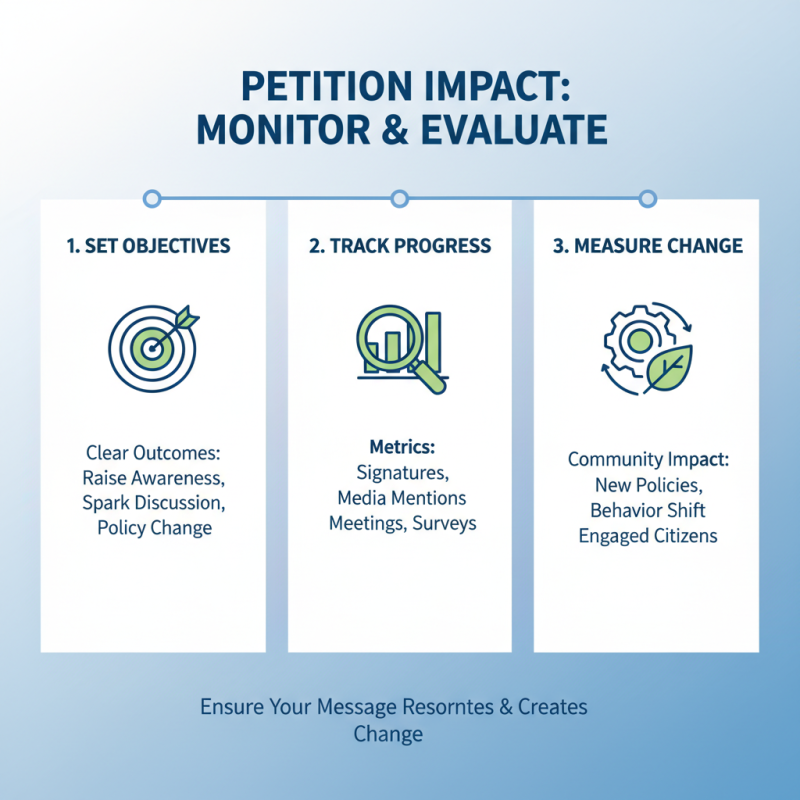
Monitoring and evaluating the impact of your petition efforts is crucial to ensure your message resonates and prompts meaningful change within your community. Start by establishing clear objectives for your petition. What specific outcomes do you wish to achieve? These objectives could range from raising awareness about the harmful effects of pesticides to sparking discussions with local lawmakers. Keeping these goals in mind will guide your evaluation process.
Once your petition is launched, gather data on its reach and influence. This can include tracking the number of signatures, social media engagement, and community interactions. Conduct surveys to gauge public opinion before and after your petition's circulation. Assessing qualitative feedback from supporters can provide insight into how well your message is understood and the emotional responses it evokes. Regularly review these metrics to adjust your strategies, maintain momentum, and ensure that your efforts lead to constructive dialogue and action regarding harmful pesticides in your community.
FAQS
: Identifying key stakeholders is essential because they can provide valuable insights and support your campaign. Engaging with local farmers, agricultural workers, and environmental organizations helps to create a united front and amplifies your voice in advocating for change.
Key stakeholders include local farmers, agricultural workers, gardening enthusiasts, environmental organizations, policymakers, elected officials, and community health organizations. Each of these groups can contribute to the advocacy efforts against harmful pesticide use.
Strategies include raising awareness through informational sessions, distributing educational materials, leveraging social media, hosting community workshops, and forming coalitions that represent diverse community voices.
Community members can learn about pesticide dangers by attending informational sessions, reading distributed materials, and accessing articles and studies shared through social media or dedicated websites.
Engage local policymakers by arranging meetings or public forums to discuss concerns about pesticides and present evidence of their harmful effects, thereby encouraging them to support healthier regulations.
Community health organizations can highlight the potential health risks associated with pesticide exposure, thereby strengthening the petition and providing credible information to support the campaign.
Social media can be utilized to share articles, studies, and personal stories about the risks of pesticide use, thereby increasing public awareness and engagement in the campaign.
Collaboration with local leaders enhances credibility and broadens the reach of the campaign, bringing more community members together to advocate for safe and sustainable practices.
Encouraging community involvement can be achieved by hosting workshops, community meetings, and events where residents can express concerns, share experiences, and discuss solutions together.
Forming a coalition brings together diverse voices from the community, amplifying the message and fostering a sense of unity, which is crucial for effectively advocating for policy changes.
Conclusion
In the article "How to Start a Petition Against Harmful Pesticides in Your Community," the author emphasizes the importance of understanding the detrimental effects of pesticides on public health and the environment. The article guides readers through the process of assessing local pesticide usage by presenting relevant data and statistics. It also highlights the significance of identifying key stakeholders who play a crucial role in shaping pesticide policies within the community.
Readers are provided with a step-by-step approach to formulate an effective petition against pesticide usage, along with strategies for mobilizing community support and raising awareness. The article outlines the necessary steps to navigate local government requirements for submitting the petition. Finally, it underscores the importance of monitoring and evaluating the impact of the petition efforts to ensure ongoing community engagement and advocacy for healthier pesticide practices, reinforcing the overall mission to **petition pesticides** and promote safer alternatives.

 0551-68500918
  Contact Email
 Contact WhatsApp