Lately, there's been a real buzz around using Bio Pesticides in farming. I remember Dr. Emily Carter from GreenTech Innovations once saying, 'Bio Pesticides aren’t just an alternative anymore — they’re basically the future of sustainable farming.' That really hit home because people are starting to see how beneficial these products can be.
Basically, Bio Pesticides are a more eco-friendly choice compared to traditional Chemical Pesticides. They come from natural sources and tend to be gentler on helpful insects, which is pretty awesome. That said, figuring out how to use them properly isn’t always straightforward. Farmers often find themselves playing a bit of a guessing game with timing and application methods. Sometimes, things don’t go perfectly on the first try, and yeah, it can be a bit frustrating. But honestly, that trial-and-error process is just part of learning and improving our practices.
Also, it’s really important to understand how Bio Pesticides And Bio Fertilizers work together. Both play a key role in keeping crops healthy and soil rich. We still have a lot to figure out about how to get the most out of their combined effects in real farm settings. But that ongoing effort is what’s going to help us build stronger, more resilient agriculture in the future. As more folks become aware of these tools, the more important it is to find the best ways to use them effectively.

Understanding Bio Pesticides: Definition and Benefits
Bio Pesticides are natural substances used to control pests and diseases. They offer an eco-friendly alternative to synthetic options. Studies show that bio pesticides can reduce pest populations effectively, with a lower risk to non-target species. According to the U.S. Environmental Protection Agency, the use of bio pesticides has increased by 30% over the last decade as farmers recognize their benefits.
One key benefit of bio pesticides is their ability to enhance soil health. For example, beneficial microbes in bio pesticides can improve nutrient availability and soil structure. However, not all bio pesticides perform equally. Effectiveness can vary based on application methods and environmental conditions. This inconsistency poses a challenge that requires careful study and testing.
Moreover, the adoption of bio pesticides is not without drawbacks. Some farmers may find them less effective compared to traditional options in certain conditions. Understanding the specific pest problems and local climate is crucial. Using bio pesticides effectively demands attention and adjustment. Ongoing research will help refine their applications for better outcomes.
Identifying Target Pests for Effective Bio Pesticide Application
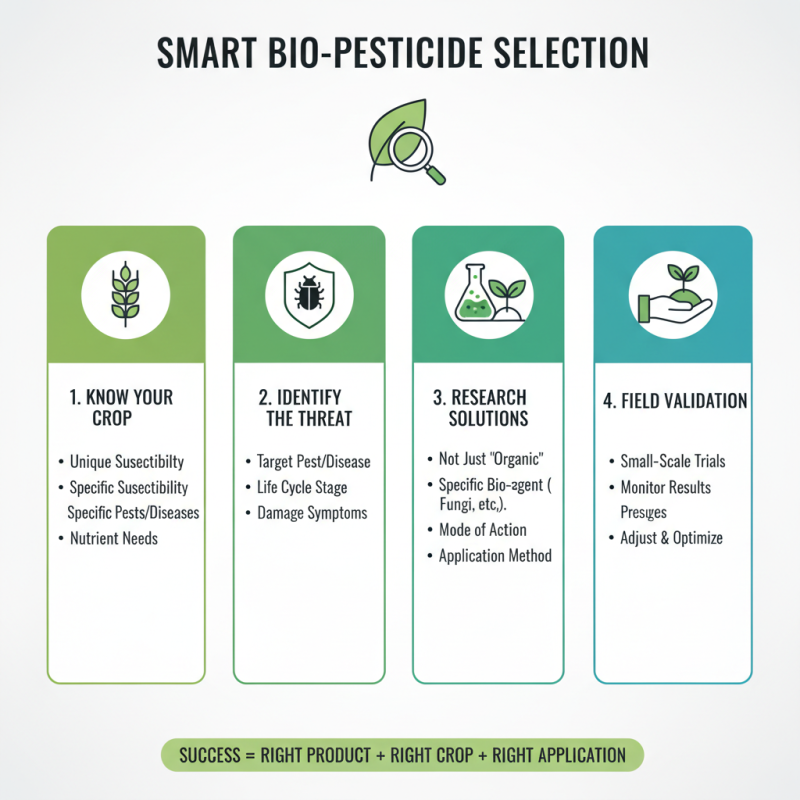
Identifying target pestsis crucial for effective bio Pesticide Application. Start by observing your plants closely. Look for signs of pest damage, such as holes in leaves or a general decline in health. This detailed examination can sometimes reveal unexpected pests hiding in plain sight. You might think your problem is minor, but it could involve several pest species. Addressing just the visible ones may lead to future outbreaks.
Utilizing Fighter Bio Pesticides can enhance your control measures. After identifying the pests, research their life cycles and habitats. This informs you when to apply your bio pesticides for maximum effect. Timing plays a key role; targets can be more vulnerable during specific life stages. Also, using the right application method can improve coverage and consistency. It's not just about spraying; consider drenching the soil or applying through irrigation systems.
Remember, bio pesticides can have varying levels of effectiveness. You might find some perform better in certain conditions or against specific pests. A bit of trial and error may be needed. Keep records of your observations and results. This ongoing assessment will guide your future applications and strategies. You don't want to repeat mistakes. Learning from your experiences is essential for refining your approach.
Optimal Timing and Methods for Applying Bio Pesticides
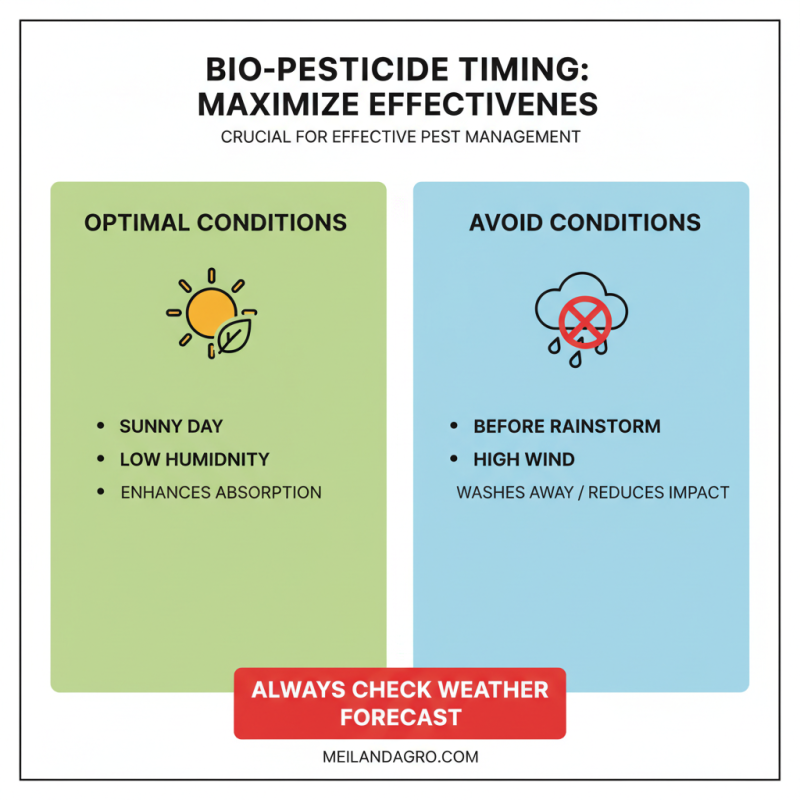
Timing is crucial when applying Agriculture Bio Pesticides. Many farmers overlook this factor. The effectiveness of bio pesticides can vary depending on weather conditions. For instance, applying them before a rainstorm may wash them away, reducing their impact. Always check the weather forecast. A sunny day with low humidity may enhance absorption and effectiveness.
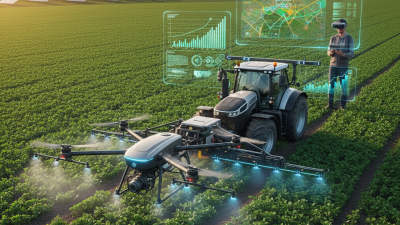
Choosing the right method for application also matters. Spraying can ensure even coverage, but it requires precision. A slight mishap can lead to uneven distribution. Alternatively, soil incorporation is another method, but it may take longer to show results. It’s essential to readjust techniques based on past experiences. Reflection on what worked well or poorly can inform future strategies.
Planning is essential. Create a schedule for applications based on pest life cycles. Monitor pest populations to determine peak times for bio pesticide application. Sometimes, farmers may act too late. This can lead to increased pest pressure and crop damage. Staying proactive will help harness the full potential of Agriculture Bio Pesticides.
Integrating Bio Pesticides into Sustainable Pest Management Practices
Integrating bio pesticides into sustainable pest management practices is essential for modern agriculture. The use of Bio Fungicide plays a crucial role in protecting crops. These natural products can be effective when used properly.
When incorporating bio pesticides, timing is key. Apply them during the early stages of pest appearance. This proactive approach can reduce crop damage. Monitoring pest levels regularly helps determine when to act. Relying solely on bio pesticides is not always enough. Integrated strategies will yield better results.
Ensure you rotate your bio pesticides. This practice prevents pests from developing resistance. Diversity in pest management methods is vital. Mixing botanical and microbial solutions can enhance effectiveness. Consideration of environmental conditions is also necessary. Some bio pesticides may work better under specific temperatures or humidity levels. Regular evaluation of outcomes is essential, too. Reflecting on what works and what doesn’t helps optimize future applications.
Monitoring and Assessing the Efficacy of Bio Pesticides
Monitoring and assessing the efficacy of bio pesticides is crucial for effective pest management. According to a report by MarketsandMarkets, the global bio pesticides market is projected to reach $14 billion by 2025. This growth emphasizes the increasing reliance on these alternatives. However, not all bio pesticides perform equally. Variability in efficacy can depend on factors like application timing, environmental conditions, and pest resistance.
Regular field assessments are essential. Farmers should record pest populations before and after bio pesticide application. A study from the International Journal of Pest Management highlighted that proper monitoring improved efficacy rates by up to 30%. Monitoring techniques can include visual inspections and trap counts. These methods provide concrete data to guide future applications. Sometimes, results are disappointing. Efficacy may fall short due to misapplication or poor product selection. Reflecting on these occurrences can help refine strategies.
Data collection is another vital aspect. Collecting data on temperature, humidity, and pest life cycles can yield insights into performance. Lack of accurate records often leads to repetitive mistakes. Reportedly, 40% of growers don’t keep detailed application records. This oversight can hinder understanding of bio pesticide effectiveness over time. Engaging in this process provides a clearer picture for future planting seasons.
Best Practices for Storing and Handling Bio Pesticides
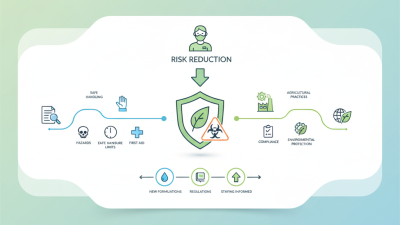
Storing and handling bio pesticides requires careful attention to detail. The effectiveness of these products can diminish if not stored correctly. Keep them in a cool, dry place away from direct sunlight. High temperatures can break down active ingredients. Consider using a temperature monitoring device to ensure optimal conditions.
When it comes to handling bio pesticides, always wear protective gear. Gloves and masks help shield you from direct exposure. After use, clean all equipment thoroughly. Residues left behind can contaminate future applications. It’s also vital to check the expiry dates. Old products may not perform as expected.
Tips for using bio pesticides effectively include mixing them thoroughly before application. This ensures an even distribution of the active ingredients. Test a small area first to see how plants respond. Pay attention to weather conditions. Rain can wash away the product, reducing its effectiveness. Always keep records of applications. This helps track what works best for your crops.
Conclusion
Bio pesticides are environmentally friendly alternatives to chemical pesticides, emphasizing safety and sustainability in pest management. Understanding their definition and benefits is crucial for effective application and pest control. Key steps include identifying the target pests accurately, which allows for more precise bio pesticide usage tailored to specific crops.
Choosing the right bio pesticide is vital for effectiveness, as is timing the application to coincide with pest activity for optimal results. Integrating bio pesticides into broader sustainable pest management practices ensures a holistic approach, while monitoring their efficacy helps in assessing performance. Finally, adhering to best practices for storing and handling bio pesticides is essential to maintain their effectiveness and safety.

 0551-68500918
  Contact Email
 Contact WhatsApp