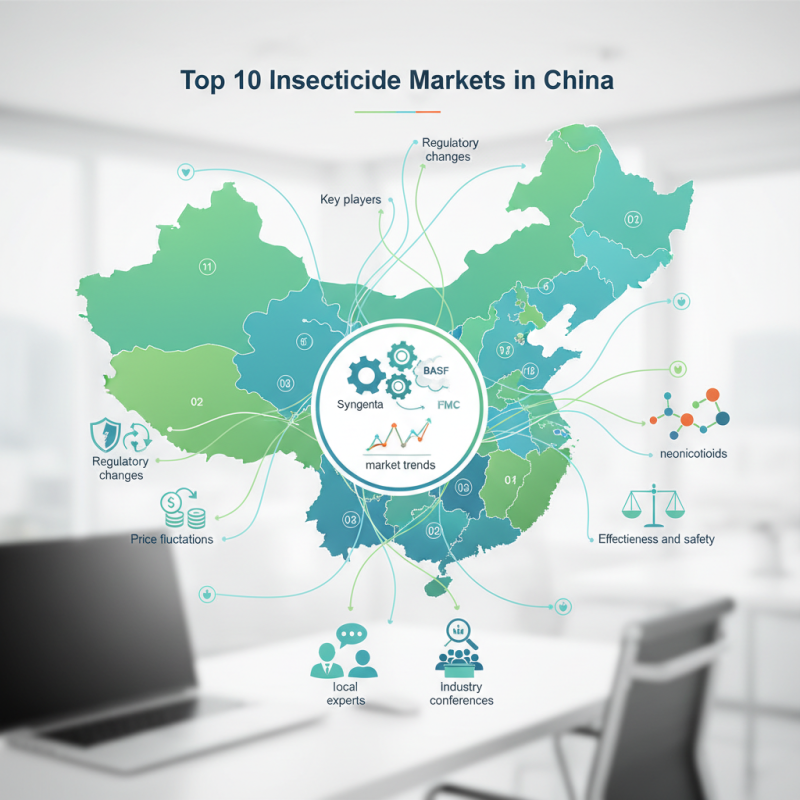
Lately, the Insecticide Market in China has really taken off. With more farmers and companies looking to protect their crops, it's no surprise that the market is booming. But here’s the thing—navigating all this can get pretty complicated. Knowing who the big players are, like Syngenta, BASF, and FMC, is super important if you want to make smart choices. Keeping up with market trends? Totally essential—it gives you that edge and some confidence when making decisions.
Of course, there are some challenges too. Regulatory rules are changing all the time, which can throw a wrench in product availability. Plus, prices? Man, they can go up and down quite a bit, so buyers really need to be on their toes. Also, not all insecticides are created equal—pyrethroids and neonicotinoids, for example, are quite different when it comes to effectiveness and safety, so it’s worth paying attention to what you’re actually getting.
Talking to local experts or industry insiders can really boost your game. And if you attend conferences or trade shows? That's gold for gaining insights. Unfortunately, some folks tend to skip these events, and honestly, they might miss out on valuable info. Staying connected with the latest in the insecticide world is key. When you focus on understanding what’s happening, you’re in a much better position to make smarter purchases and navigate this market with confidence.
Overview of the Insecticide Market in China
The insecticide market in China is a significant part of the agricultural sector. In 2022, it was valued at approximately $15 billion, with projections to expand at a compound annual growth rate (CAGR) of about 5% through 2027. This growth is driven by the need for more efficient pest control solutions. Factors such as increasing pest resistance and rising crop demands play crucial roles.
An essential aspect of the market is its diverse product range. Buyers often seek both chemical and Biological Insecticides. While chemical options dominate, biological insecticides are gaining traction. They are perceived as safer and more sustainable. Given the industry's recent regulatory changes, strict adherence to safety guidelines is crucial.
Tips for buyers: always assess the most recent market reports. Understand local regulations and emerging trends. Researching the Fungicide Market can provide valuable insights into holistic pest management strategies. Diverse approaches not only mitigate risks but also enhance crop yield. Finally, engage with suppliers to ensure you choose products that align with industry standards and sustainability goals.
Key Factors Driving Insecticide Demand in China
In recent years, the Pesticides Market in China has experienced significant growth. This demand surge is driven by several key factors. Firstly, increasing agricultural output is essential for food security.Farmers are seeking Effective Insecticides to protect crops from pests. Healthy harvests are a priority, and pesticides are vital in achieving this goal.
Another factor involves innovations in insecticide formulations. New technologies enhance efficacy and reduce environmental impact. Biopesticides, for example, are becoming more popular among farmers. These products align with sustainable agriculture practices. Additionally, the higher purchasing power of consumers influences the market positively. Many buyers are willing to invest more in quality insecticides.
Challenges remain, however. Regulatory compliance can be complex. Understanding the evolving policies is crucial for market players. Moreover, there are concerns about pesticide residues in food products. Buyers need to prioritize safety alongside effectiveness. This is a critical reflection point for those championing the Pesticides Market. Balancing performance with public health is essential for long-term success.
Major Players in the Chinese Insecticide Industry
The Chinese insecticide market is vibrant, with numerous players shaping its landscape. According to a recent report, the market size is expected to reach $12 billion by 2024. This growth reflects an increasing demand for effective pest control solutions in agriculture. Domestic producers dominate the industry, accounting for about 70% of the total market share.
Companies in this space focus on innovation. They invest heavily in research and development, aiming to create safer and more effective products. In 2022, nearly 30% of revenue was channeled into R&D efforts. However, there remains an ongoing challenge with regulatory compliance and fluctuating raw material prices. These factors can hinder growth and operational efficiency.
The importance of environmental sustainability is becoming clearer. Many manufacturers are exploring bio-based insecticides as alternatives. While promising, this transition is not without obstacles. The perception of efficacy and cost must be addressed. The gap between traditional methods and emerging technologies poses a dilemma for producers and consumers alike. Awareness of these challenges is crucial for buyers in making informed decisions.
Types of Insecticides Commonly Used in China
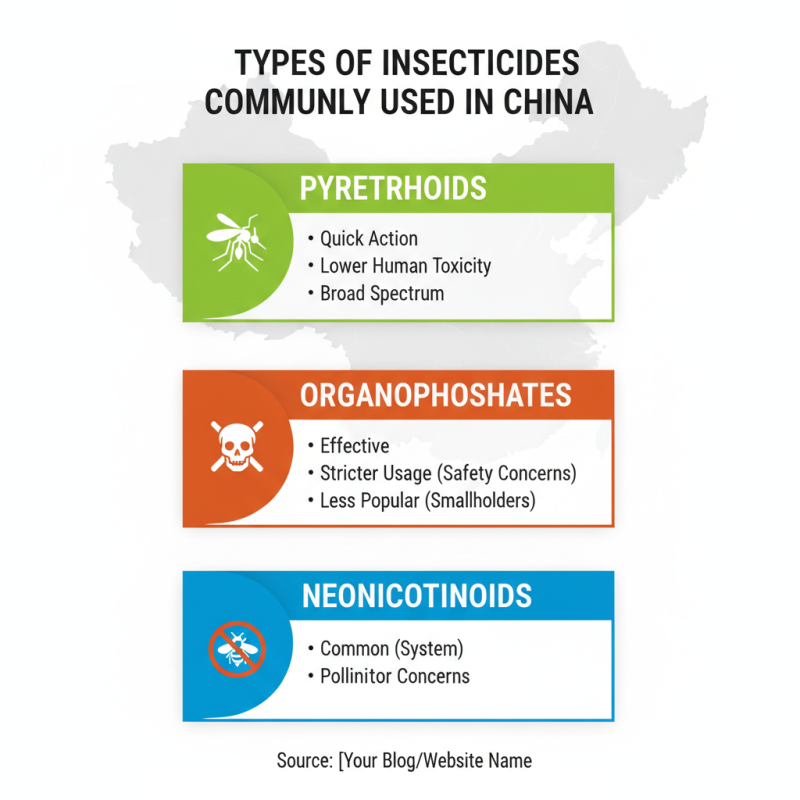
In China, a variety of insecticides are used to manage pests effectively. The most common types include pyrethroids, organophosphates, and neonicotinoids. Pyrethroids are popular due to their quick action and lower toxicity to humans. Farmers appreciate their effectiveness against a range of insects. Organophosphates, on the other hand, are effective but have more restrictive usage guidelines due to safety concerns. This makes them less popular among smallholders.
Neonicotinoids have gained attention because of their targeted action on pests while minimizing harm to beneficial insects. However, their long-term impact on ecosystems remains a topic of debate. Some studies suggest they may contribute to declining pollinator populations. This makes choosing the right insecticide a complicated task for buyers in the Glyphosate Market.
Understanding local regulations around each insecticide type is essential. Some insecticides may face bans or restrictions depending on the region. Buyers should stay informed about changing laws and recommended use practices. This knowledge can help ensure safer and more effective pest control strategies in agriculture.
Consumer Preferences and Buying Trends in Insecticides
When exploring the insecticide market in China, consumer preferences play a crucial role. Many buyers seek products that are both effective and environmentally friendly. There is a growing trend toward organic options. Customers want solutions that will protect their homes and gardens without harming the ecosystem.
Price sensitivity is another key factor. Many consumers look for affordable insecticides that deliver results. Even though some are willing to pay more for organic choices, a significant portion still prioritizes cost. Packaging also influences buying decisions. Clear labeling on ingredients can enhance trust among buyers.
Moreover, consumers increasingly value convenience. They often prefer ready-to-use products over concentrates. This trend indicates a desire for hassle-free solutions. However, not all brands meet quality expectations. Some products may not perform as promised. This inconsistency can cause frustration and lead to repeated trial-and-error, which prompts buyers to reflect on their choices.
Regulatory Considerations for Insecticide Purchases in China
When considering insecticide purchases in China, regulatory compliance is crucial. The country has a well-defined framework for the use and distribution of pesticides. Buyers must first understand the types of insecticides authorized for different uses. Each product must be registered with the Ministry of Agriculture and Rural Affairs. This registration ensures safety and efficacy standards are met.
Documentation is essential for every purchase. Buyers are required to present valid licenses and certificates. These documents verify that the products have undergone rigorous testing. This process can often feel daunting. Not all buyers may be familiar with these requirements. Missing documentation can lead to delays or penalties.
As the market evolves, regulations may change. Keeping informed about these updates is vital for compliance. Engaging with local experts can enhance understanding. They often have insights into recent shifts in policy that may affect purchasing decisions. This knowledge can mitigate risks. Ignoring regulatory considerations can lead to significant setbacks. Reflecting on the importance of these factors is key for successful insecticide procurement in China.
Top 10 Insecticide Markets in China
| Market Rank | Insecticide Type | Market Size (USD Million) | Growth Rate (%) | Regulatory Notes |
| 1 | Pyrethroids | 320 | 5.6 | Registered with Ministry of Agriculture |
| 2 | Neonicotinoids | 250 | 4.2 | Restricted for certain uses |
| 3 | Organophosphates | 200 | 3.8 | Tightly regulated |
| 4 | Biopesticides | 180 | 7.5 | Promoted by government |
| 5 | Insect Growth Regulators | 160 | 5.0 | Compliance with safety standards |
| 6 | Fumigants | 140 | 2.5 | Regulated under national pesticide law |
| 7 | Chitin Synthesis Inhibitors | 120 | 6.0 | New approvals pending |
| 8 | Mineral Oil | 110 | 3.0 | Low toxicity, widely accepted |
| 9 | Microbial Pesticides | 100 | 8.1 | Encouraged for sustainable farming |
| 10 | Other Chemicals | 90 | 2.9 | Compliance required |
Future Trends and Innovations in China's Insecticide Market
The insecticide market in China is evolving rapidly. Emerging technologies are reshaping the way these products are developed and applied. Innovations such as biodegradable formulations and precision application techniques are gaining traction. This shift is driven by growing concerns about environmental impact and consumer safety.
Data indicates that integrated pest management is becoming more prevalent. Companies are focusing on comprehensive solutions rather than single products. The Herbicides Market is also experiencing similar trends. There is a rising demand for environmentally friendly options that minimize harm to beneficial insects and ecosystems.
Another vital trend is the increase in regulatory scrutiny. Stricter regulations are pushing manufacturers to improve product safety and efficacy. This creates challenges but also opportunities for innovation. It's essential for buyers to stay informed about these changes. Understanding the landscape can lead to better purchasing decisions and smarter investments.
Top 10 Insecticide Markets in China
This chart illustrates the market share distribution among various insecticide types in China. Insecticides hold the largest share, significantly impacting agricultural practices and pest management strategies within the country.
Conclusion
The Insecticide Market in China is experiencing significant growth, driven by various key factors including increasing agricultural productivity and the rising demand for pest control solutions in urban areas. Major players in the industry are adapting to the evolving landscape by focusing on innovative products and sustainable practices. Common types of insecticides used range from chemical formulations to more environmentally friendly options, reflecting changing consumer preferences.
Moreover, buyer trends indicate a shift towards integrated pest management practices and smarter purchasing decisions, influenced by regulatory considerations that promote safer insecticide use. Looking ahead, the market is expected to continue evolving with advancements in technology and increased emphasis on eco-friendly solutions, ensuring that the Insecticide Market remains dynamic and responsive to consumer and environmental needs.

 0551-68500918
  Contact Email
 Contact WhatsApp