0551-68500918 


As pest control keeps evolving, it’s clear that the need for really effective solutions has never been more urgent. I mean, just look at the latest report from Research and Markets — it predicts the Global Insecticide market will grow at an annual rate of about 5.5% from 2021 all the way through 2026, reaching around $16 billion. That’s pretty huge, and honestly, it really highlights how important it is to develop new and smart strategies for managing pests, especially when it comes to using insecticides that can handle both agricultural pests and those pesky urban invaders.
A big name in the industry, Dr. Michael C. Kauffman from Pest Management Solutions, stresses how vital innovation is in this field. He’s quoted saying, 'The future of pest control isn’t just about being effective — it’s gotta be sustainable too.' That means any insecticide worth its salt needs to do the job without harming the environment. Looking ahead to 2025, it’s crucial for pest control pros and farmers alike to stay updated on the Top Insecticides out there. Knowing what works today can mean the difference between quick fixes and long-term success.
Getting a handle on which insecticides actually do the job against common pests can really make a difference — whether it’s protecting crops, safeguarding homes, or just improving everyday life. In this article, I’ll walk you through some of the latest breakthroughs and share insights into the most effective insecticides you should be aware of to keep pests at bay in the years to come.
Pest control is an essential aspect of maintaining a healthy and safe environment, whether at home or in agricultural settings. With an increasing number of pests becoming resistant to traditional methods, the role of insecticides has never been more important. These chemical solutions are designed to target and eliminate unwanted insects while minimizing harm to non-target species. The effectiveness of an insecticide largely depends on its formulation, application method, and timing, making it crucial for users to stay informed about the best options available.
When selecting an insecticide, consider using integrated pest management (IPM) strategies. This approach combines multiple methods, such as cultural practices and biological controls, alongside chemical treatments. This not only enhances pest control efficacy but also promotes sustainability.
Tips for effective pest control include always following label instructions, which provide specific guidelines for application rates and safety measures. Additionally, timing is key; applying insecticides during the pests' peak activity periods can significantly increase effectiveness. Lastly, maintaining good sanitation and habitat management can greatly reduce pest populations and the need for insecticides in the first place.
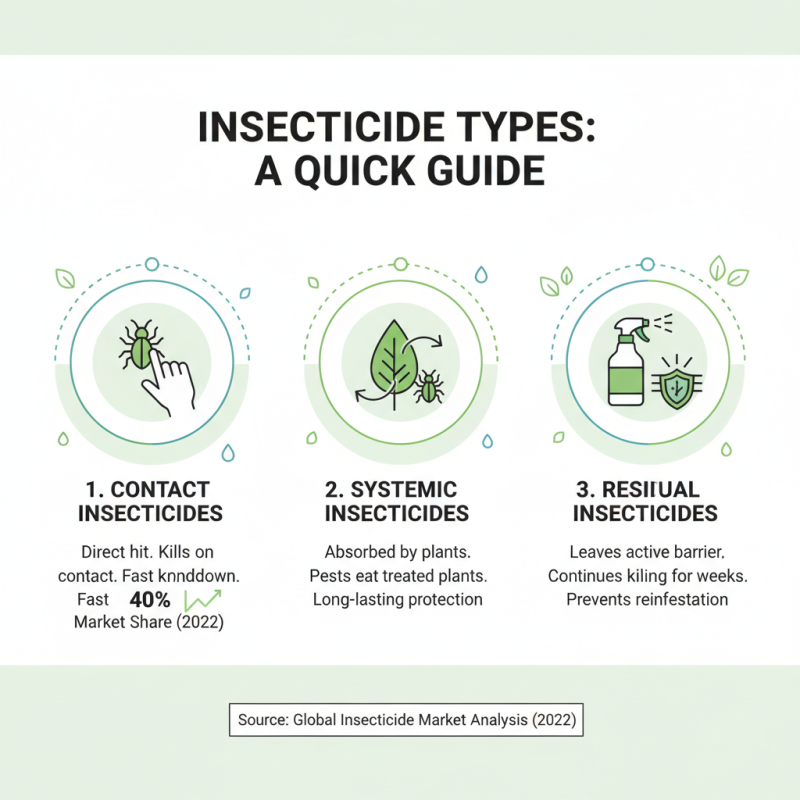
When it comes to effective pest control, understanding the various types of insecticides is crucial for both professionals and home gardeners alike. Insecticides can be broadly classified into three primary categories: contact insecticides, systemic insecticides, and residual insecticides. According to a report by the Global Insecticide Market Analysis, the contact insecticide segment accounted for nearly 40% of the market share in 2022, highlighting its widespread usage. These insecticides work by directly touching the pest, delivering a quick knockdown effect, making them suitable for immediate pest management needs.
Systemic insecticides, on the other hand, are absorbed by plants and transported throughout their tissues, affecting pests that consume the plant. They represent a growing segment in the market, projected to grow at a CAGR of over 5% through 2025, as indicated by the pesticide industry trends report. This method of control is particularly beneficial for tackling sap-sucking insects like aphids and whiteflies, as it ensures adequate protection without the need for frequent reapplication. Residual insecticides remain effective for extended periods after application, creating a protective barrier against new pests. Their longevity is vital for managing insect populations over time and is a reason for their increasing adoption in both agricultural and residential settings.
When selecting effective insecticides in 2025, it’s crucial to consider sustainability and environmental impact. Advances in botanical-based nanoformulations have emerged as a pivotal trend, particularly in developing countries. These formulations, which include silver and zinc nanoparticles and nano-emulsions, enhance the efficacy of pest control while minimizing ecological footprints. Choosing insecticides that leverage these innovations can significantly improve pest management strategies for crops like cotton and cabbage.
Tips: Look for insecticides that are formulated with natural ingredients and modern nano-technology to ensure both effectiveness and sustainability. Additionally, prioritize products that have been evaluated for their environmental safety and are compatible with integrated pest management systems.
Moreover, biopesticides are gaining traction due to their alignment with green chemistry principles. These options not only provide cost-effective pest control solutions but also reduce reliance on synthetic chemicals, contributing to a healthier agricultural ecosystem. As you assess insecticides, consider those that incorporate biopesticides as part of their active ingredients to promote sustainable agricultural practices.
| Type of Insecticide | Active Ingredient | Target Pests | Mode of Action | Environmental Impact | Formulation Type |
|---|---|---|---|---|---|
| Pyrethroids | Permethrin | Flies, Mosquitoes, Ants | Nervous System Disruption | Low | Liquid, Aerosol |
| Neonicotinoids | Imidacloprid | Cockroaches, Fleas | Nervous System Disruption | Moderate | Granular, Liquid |
| Insect Growth Regulators | Methoprene | Fleas, Mosquitoes | Growth Disruption | Low | Liquid, Aerosol |
| Botanical Insecticides | Neem Oil | Aphids, Mites | Growth Disruption and Detoxification | Minimal | Liquid |
| Microbial Insecticides | Bacillus thuringiensis | Caterpillars, Beetles | Bacterial Infection | Very Low | Powder, Liquid |
Household pests can jeopardize both comfort and health, prompting many homeowners to seek effective insecticides for control. According to a 2023 report from the National Pest Management Association (NPMA), approximately 29% of U.S. households experienced a pest problem in the previous year, with common invaders including ants, cockroaches, and rodents. This growing concern emphasizes the importance of selecting the right insecticides to tackle these nuisances effectively.
In 2025, the market's leading insecticides will include formulations that leverage the latest advancements in pest control technology. For instance, products containing pyrethroids have gained popularity due to their rapid action and effectiveness against a broad spectrum of pests. The 2023 Pest Control Market Overview indicated that sales of pyrethroid-based insecticides are expected to rise by 15% over the next five years. Additionally, newer biopesticides derived from natural materials are making strides, appealing to eco-conscious consumers who seek effective yet environmentally friendly options. These formulations provide targeted action that minimizes harm to beneficial insects, reinforcing their role in integrated pest management strategies.
The environmental impact of insecticides is a crucial consideration for both manufacturers and consumers. As the agricultural sector increasingly relies on these chemicals for pest control, understanding their effects on ecosystems is imperative. Innovative companies like Meiland Stock are at the forefront of developing new pesticide solutions that aim to minimize harm to the environment. By focusing on research and development, Meiland emphasizes the creation of formulations that are effective against pests while being less toxic to non-target organisms.
In addition to efficacy, the environmental implications of insecticide usage must also consider factors such as soil health, water quality, and the overall biodiversity of agricultural landscapes. Meiland Stock's commitment to sustainability drives their pursuit of more environmentally friendly options, which are designed to mitigate potential negative effects on ecosystems. As awareness grows regarding the impact of chemical pesticides, the industry is pushed towards adopting integrated pest management strategies that prioritize the health of the environment while still addressing pest challenges effectively.
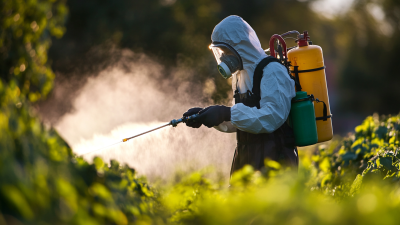
When using insecticides for pest control, safety should always be a top priority. Proper handling and application of these chemicals can significantly reduce risks to human health and the environment. Always start by reading the label carefully to understand the specific instructions for usage, recommended safety gear, and first-aid measures in case of exposure. Wearing personal protective equipment, such as gloves, goggles, and masks, can help minimize contact with harmful substances.
Additionally, it is essential to apply insecticides in well-ventilated areas and avoid using them during windy conditions to prevent drift and unintended exposure to non-target organisms. Keeping children and pets away from treated areas until it is safe to return is crucial. Following these safety guidelines not only protects human health but also fosters sustainable pest management practices. Always store insecticides in their original containers, in a safe location, and out of reach of children to prevent accidental poisoning or misuse.
This chart illustrates the effectiveness of various insecticides used in pest control based on a survey conducted among pest control professionals in 2025. The data reflects the average effectiveness ratings on a scale of 1 to 10, with 10 being the most effective.
The future of insecticide development is leaning towards sustainability and environmental safety.
Researchers are exploring the potential of biopesticides derived from natural organisms, which offer effective pest control with minimal harm to non-target species. Additionally, advancements in genetic engineering are paving the way for pest-resistant crops, reducing the reliance on traditional insecticides. This shift not only benefits ecosystems but also addresses the growing concern for food safety among consumers.
Tips: To keep your garden healthy and pest-free, consider integrating companion planting, which involves growing certain plants together to deter pests naturally. Another effective strategy is implementing pheromone traps that attract and capture male insects, disrupting their mating cycles and helping to control pest populations without chemicals.
As regulatory standards become stricter worldwide, innovation in formulation technology will play a crucial role in the development of next-generation insecticides. These may include microencapsulated products that provide long-lasting effects while minimizing exposure risks. Staying informed about these trends can enhance your pest management strategies and contribute to a more sustainable approach in agriculture and gardening practices.
: Pest control is essential for maintaining a healthy and safe environment at home and in agricultural settings. It helps eliminate unwanted insects and reduce the risks associated with pest infestations.
Insecticides are chemical solutions designed to target and eliminate unwanted insects while minimizing harm to non-target species. Their effectiveness depends on formulation, application method, and timing.
Integrated pest management (IPM) is a strategy that combines multiple pest control methods, including cultural practices, biological controls, and chemical treatments, to enhance effectiveness and promote sustainability.
Effective pest control tips include following label instructions, applying insecticides during peak pest activity, and maintaining good sanitation and habitat management to reduce pest populations.
In 2025, leading insecticides will likely include pyrethroid-based products known for their rapid action against various pests, as well as newer biopesticides derived from natural materials appealing to eco-conscious consumers.
Environmental considerations are crucial as insecticides can impact soil health, water quality, and biodiversity. There is a growing focus on developing formulations that are effective against pests but less toxic to non-target organisms.
Advancements in pest control technology include innovative insecticides that are more effective and environmentally friendly, created through extensive research and development by companies focusing on sustainability.
Consumers can look for biopesticides and formulations that target specific pests while minimizing harm to beneficial insects, aligning with integrated pest management strategies.
Following label instructions is crucial because they provide specific guidelines on application rates and safety measures, ensuring effective and safe use of the insecticide.
Sales of pyrethroid-based insecticides are anticipated to rise by 15% over the next five years, indicating their growing popularity in pest control.
The article "2025 Top Effective Insecticides for Pest Control You Need to Know" provides a comprehensive overview of pest control, emphasizing the critical role of effective insecticides. It details various types of insecticides, offering a breakdown that helps users understand their specific applications in addressing common household pests. The criteria for selecting effective insecticides in 2025 are discussed, ensuring that consumers can make informed choices. Additionally, the article touches on the environmental impact of these products and outlines essential safety guidelines for use.
As a company dedicated to innovation in pesticide research, Innovation Meiland (Hefei) Co., LTD. is at the forefront of developing effective insecticide solutions that not only tackle pest issues but also consider ecological sustainability. The article further explores future trends in insecticide development, aligning with the company’s commitment to creating innovative formulations and processes that meet modern pest management needs.