In the ever-changing world of farming, herbicides are playing an increasingly important role. You can check out more about this at Herbicide Agriculture. The goal here is to find that sweet spot — controlling weeds effectively without harming the environment. Farmers today are dealing with tricky issues like weeds that are becoming resistant and the worries about environmental impacts. It’s really about figuring out smarter ways to use herbicides so they do their job without creating more problems.
Innovations in herbicide formulas are opening up new possibilities, with companies like Bayer and Corteva Agriscience leading the charge. They’re working on products that are gentler on the planet. Still, relying too much on chemical solutions can wear out the soil, making it less healthy over time. So, it’s vital for farmers to keep reevaluating their methods and consider integrated weed management—things like crop rotation, mechanical removal, and better soil care—alongside herbicide use.
Honestly, the road to sustainable herbicide use isn’t always smooth. While new tech can boost efficiency, we’ve got to be careful about becoming overly dependent on chemicals. It’s all about ongoing research, staying flexible, and adjusting practices as we learn more. If we rethink how we handle herbicides, we can definitely steer towards a more eco-friendly, sustainable future in farming.
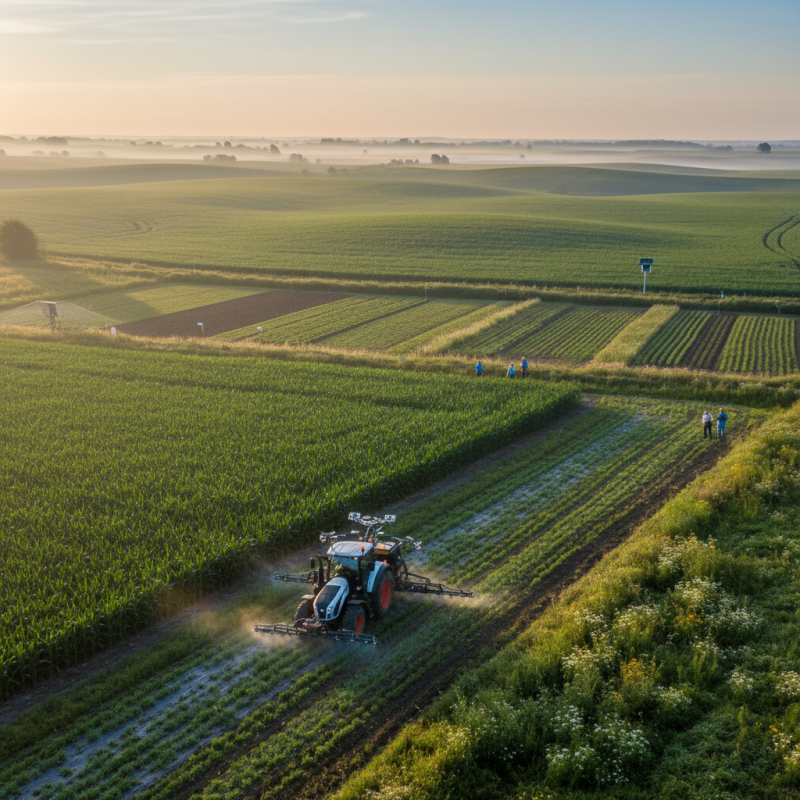
Overview of Herbicides in Sustainable Agriculture
Herbicides play a crucial role in sustainable agriculture. They help control weeds and pest populations, but their use must be balanced with environmental impact. According to the Food and Agriculture Organization (FAO), herbicides account for nearly 30% of global pesticide use. This statistic reveals the reliance on these chemicals, highlighting the need for sustainable practices.
Research shows that integrated weed management (IWM) reduces herbicide dependency. A study by the Environmental Protection Agency indicates that farms using IWM saw a 25%reduction in Herbicide Application. Rotating crops and using cover crops are part of this strategy. These methods not only improve soil health but also help manage weed resistance. However, they require more planning and observation, which many farmers overlook.
Additionally, emerging biopesticides offer potential alternatives. These products can reduce chemical usage without sacrificing yield. Yet, the market faces challenges. Many farmers hesitate to invest due to perceived costs and untested efficacy. Education and support are essential to encourage adoption. As multiple reports indicate, a shift in mindset towards sustainable practices is necessary for the future of agriculture.
Importance of Sustainable Practices in Herbicide Use
The importance of sustainable practices in herbicide use is growing. As agriculture faces new challenges, the impact of herbicides must be carefully considered. Effective monitoring of usage is key. Farmers must understand the environmental consequences of their choices. Each application needs attention and thought.
One innovative practice is the integration of cover crops. These plants help reduce weed growth naturally. They improve soil health and biodiversity. Additionally, farmers can minimize chemical inputs by adopting rotation strategies. Changing crops each season disrupts pest cycles. However, there can be a learning curve. Not all farmers feel comfortable with these changes.
License Agriculture programs can offer guidance. They help growers navigate sustainable practices. Yet, these initiatives may not suit every farm type. Some farmers may struggle with adaptability. This calls for deeper reflection on individual needs and local conditions. Balancing herbicide use with sustainability goals is a complex task. It requires ongoing effort and flexibility to find the best path forward.
Types of Herbicides and Their Environmental Impacts
Herbicides play a crucial role in modern agriculture, but their environmental impacts are significant. Many herbicides can lead to soil degradation. They often disrupt microbial communities essential for soil health. This degradation can reduce crop yields over time. Additionally, herbicides can contaminate water sources. Runoff from fields can carry these chemicals into nearby rivers and lakes. This contamination affects aquatic ecosystems and drinking water quality.
Different types of herbicides have unique effects. Glyphosate, for instance, is widely used but has raised concerns about its potential toxicity. It can kill a broad range of plants, but it may also harm beneficial species. Some practices involve using targeted herbicides to minimize collateral damage. However, these approaches may still lead to resistance issues in weed populations. Farmers using Agriculture Kitnashakshould consider integrated pest management. This could include crop rotations or mechanical weeding. A multifaceted approach may reduce reliance on Chemical Herbicides.
Despite the benefits of herbicides, it’s essential to reflect on their long-term effects. The overuse of any chemical can lead to a cycle of dependency. It’s vital for farmers to weigh the immediate benefits against future risks. Sustainable agriculture requires thoughtful planning and application. The chosen herbicide practices should balance efficacy with environmental stewardship.
Integrating Herbicides with Crop Rotation Strategies
Crop rotation is a crucial aspect of sustainable agriculture. Integrating herbicides with these strategies can enhance their effectiveness. A study by the Agricultural Research Service found that rotating crops decreased weed populations by up to 50%. This reduction means fewer herbicide applications are needed.
However, relying solely on chemical solutions may result in herbicide resistance. A survey from the Purdue University Extension reported a 70% increase in resistant weed species over the past decade. This emphasizes the importance of alternating crops and herbicides. It’s essential to use various Agriculture Adjuvants to ensure better absorption of herbicides, reducing the overall amount needed.
Farmers should not overlook the environmental impact. Excessive herbicide use can lead to soil degradation. A sustainable approach includes using cover crops and adjusting herbicide types based on crop rotation schedules. While these practices may require time and adjustment, they ultimately lead to healthier soils and improved crop yields. The challenge lies in finding a balance between effective weed control and minimizing reliance on herbicides.
Innovative Technologies in Herbicide Application
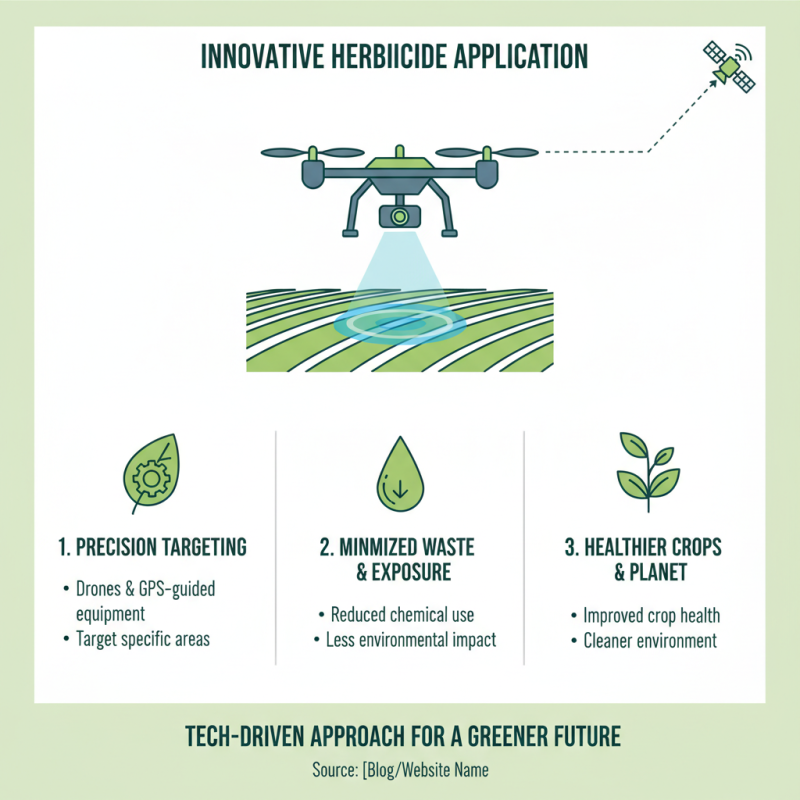
In the realm of sustainable agriculture, innovative technologies in herbicide application are reshaping agricultural practices. Advanced precision agriculture tools allow farmers to apply herbicides more effectively. Drones and GPS-guided equipment can target specific areas, minimizing waste and reducing chemical exposure. This tech-driven approach can lead to healthier crops and a cleaner environment.
Tips for farmers include regularly monitoring weed populations. Understanding weed resistance is crucial. Utilize integrated pest management strategies to combine mechanical, cultural, and chemical methods. Limiting herbicide use not only conserves resources but also maintains ecological balance. Familiarize yourself with new application methods, like timed applications, to increase efficacy.
Despite advancements, challenges remain. Some farmers struggle to adopt new technologies due to costs or lack of training. Others may face pushback from traditionally-minded peers. It’s important to share successes and setbacks when trying new strategies. Continuous learning and adaptation are key components of sustainable agriculture. Finding the right balance between innovation and practical on-the-ground application can be tough but necessary.
Regulatory Framework for Herbicide Usage in Agriculture
The regulatory framework surrounding herbicide usage in agriculture plays a crucial role in promoting sustainable practices. Guidelines developed by environmental agencies stress the importance of minimizing chemical runoff. According to a report by the Environmental Protection Agency, approximately 60% of herbicides can contaminate water bodies. This impacts not only aquatic ecosystems but also human health. Farmers must navigate these regulations to ensure compliance while maintaining crop yields.
Research indicates that integrated pest management can reduce reliance on traditional Agriculture Weed Killer products. Combining mechanical control, crop rotation, and biocontrol methods can enhance soil health. In fact, a study showed that farms employing diverse practices saw a 30% decrease in herbicide use over five years. This trend emphasizes the need for farmers to adapt to new guidelines, particularly as climate change alters pest dynamics.
Tip: Always stay updated on local regulations. They can vary widely by region. Engaging in community workshops can provide insights. Collaborative efforts with peers can lead to better practices. Shared experiences foster innovation in the face of regulatory challenges. Farmers should reflect on their herbicide usage patterns regularly. It's essential to identify areas for improvement.
Top Herbicide Practices for Sustainable Agriculture 2026
| Practice | Description | Benefits | Challenges | Regulatory Status |
| Integrated Weed Management | Combining biological, cultural, and chemical practices to control weeds. | Reduces herbicide dependence; promotes biodiversity. | Requires knowledge of multiple practices; can be complex to implement. | In development, generally supported. |
| Precision Application Techniques | Using technology to apply herbicides more accurately. | Reduces waste and environmental impact; enhances effectiveness. | Initial cost of technology; need for training. | Regulations vary; growing acceptance. |
| Cover Cropping | Planting crops to cover soil and suppress weeds during off-seasons. | Improves soil health; enhances ecosystem services. | Requires planning; can affect crop rotation. | Supported by conservation programs; generally favorable regulations. |
| Biopesticides | Natural herbicides derived from plants or microorganisms. | Lower toxicity; less impact on non-target organisms. | Variable effectiveness; potential for rapid degradation. | Increasingly recognized; regulatory processes can be lengthy. |
| Crop Rotation | Alternating different crops to disrupt weed cycles. | Enhances soil health; reduces weed pressure. | Requires knowledge of crop compatibility; potential yield variability. | Clear guidelines; promotes sustainable practices. |
Future Trends in Sustainable Herbicide Practices for 2026
Herbicide practices are evolving. For sustainable agriculture in 2026, farmers must adapt to new trends. The focus is on reducing chemical use. Emphasizing integrated pest management strategies is key. This method encourages using natural predators and crop rotation.
Tips: Consider planting cover crops. They improve soil health and suppress weeds. Crop diversity can also enhance resilience. Farmers may struggle with initial changes but must remain committed to sustainable practices.
Another trend is precision agriculture. Technology helps monitor herbicide application. Drones and sensors provide real-time data. However, this requires investing in training and equipment. The shift may feel overwhelming at first, yet the long-term benefits are substantial. As policies change, staying informed is crucial. Exploring new resources empowers farmers in their decision-making journey.
Top Herbicide Practices for Sustainable Agriculture 2026
This chart illustrates the projected usage of various herbicide practices in sustainable agriculture for the year 2026. The data reflects the increasing adoption of integrated weed management, biopesticides, and precision agriculture techniques as farmers seek to reduce reliance on conventional herbicides while maintaining crop yields.
Conclusion
The article "Top Herbicide Practices for Sustainable Agriculture 2026" explores the critical role of herbicides in promoting sustainable agricultural practices. It begins with an overview of how herbicides can contribute to sustainable agriculture while addressing their environmental impacts. The discussion emphasizes the importance of adopting sustainable practices in herbicide use, highlighting various types of herbicides and their ecological consequences.
Additionally, the integration of herbicides with crop rotation strategies is examined, showing how this practice can enhance soil health and reduce dependency on chemical inputs. Innovative technologies in herbicide application are also discussed, showcasing emerging methods that can improve efficiency and reduce environmental harm. The article looks at the regulatory framework guiding herbicide usage in agriculture and forecasts future trends in sustainable herbicide practices for 2026, ultimately reinforcing the need for responsible herbicide agriculture to ensure long-term food security and environmental stewardship.

 0551-68500918
  Contact Email
 Contact WhatsApp