When it comes to pushing for more sustainable farming, innovating with herbicide-producing plants is becoming more and more important. As the world's food needs grow and environmental worries mount, farmers and researchers are looking for smart new ways to boost crop yields without messing up our ecosystems. Developing these advanced Herbicide Plants isn't just about controlling weeds; it's also about opening the door to farming methods that are more efficient and kind to the planet in the long run.
Plus, when we blend precision agriculture with the latest herbicide plant tech, farmers can really fine-tune how they use herbicides, cutting down on waste and keeping everything safe—crops, soil, and all. This article takes a look at some of the coolest herbicide plant breakthroughs expected to shape sustainable farming by 2025. We’ll break down how these innovations work and what good they do for the environment. The goal? Show how these new technologies can help control weeds better, boost crop yields, and save resources. At the end of the day, moving towards truly sustainable agriculture pretty much depends on how these herbicide plant technologies evolve—they’re critical for the future of farming around the globe.

Overview of Herbicide Plant Technologies for Sustainable Agriculture
Herbicide plant technologies have seen significant advancements in recent years, playing a crucial role in promoting sustainable agriculture. These innovations focus on developing products that minimize environmental impact while maximizing crop yield and efficiency. The latest herbicide technologies include precision application methods and the use of biodegradable formulations, which help reduce chemical runoff and enhance soil health. By integrating these technologies, farmers can better manage weeds without compromising the ecosystem, leading to a more sustainable agricultural practice.
Tips: To ensure effective herbicide use, farmers should consider implementing Integrated Pest Management (IPM) strategies. This holistic approach combines cultural, biological, and chemical methods to control weeds, thereby reducing reliance on herbicides. Additionally, utilizing precision agriculture tools can help in identifying weed hotspots and Applying Herbicides only where needed, further minimizing chemical usage.
Furthermore, research into crop resistance to specific herbicides is gaining traction. This not only decreases the demand for chemical interventions but also fosters biodiversity within farming systems. By developing herbicide-resistant crops, farmers can cultivate diverse plants that contribute to soil health and ecosystem balance, ultimately promoting a more resilient agricultural landscape.
2025 Top Herbicide Plant Technologies for Sustainable Agriculture
| Technology Type | Description | Environmental Impact | Efficacy (Weed Control) | Adoption Rate (%) |
| Precision Application | Technology using drones for targeted Herbicide Application. | Minimal drift, reduced chemical usage. | High (90%+ in specific scenarios). | 30% |
| Biological Herbicides | Utilizes natural organisms to control weeds. | Low toxicity to beneficial organisms. | Moderate (60-80% depending on species). | 15% |
| Smart Herbicide Systems | Herbicide formulations that adapt based on weed presence. | Optimizes usage, decreasing potential runoff. | High (85%+ in varied conditions). | 25% |
| Cultural Control Practices | Incorporates methods like crop rotation to suppress weed growth. | Enhances soil health, supports biodiversity. | Moderate (50-70% based on management). | 40% |
Key Innovations in Herbicide Development for 2025
As the agricultural sector continues to evolve, the focus on sustainable practices has paved the way for innovative herbicide development. Key advances expected in 2025 will likely revolve around enhanced formulations that not only improve efficacy against a wider range of weeds but also minimize environmental impact. Researchers are exploring biologically based herbicides that utilize natural compounds to combat pest resistance, thereby promoting a more balanced ecosystem while supporting biodiversity. These innovations are crucial as they help reduce the reliance on synthetic chemicals, aligning with the growing demand for environmentally friendly farming practices.
Moreover, integrated weed management techniques are set to gain traction in 2025, combining advanced herbicides with cultural practices such as crop rotation and cover cropping. This synergistic approach not only enhances weed suppression but also fosters soil health and reduces agricultural runoff. Technologies like precision application systems are expected to play a significant role in this paradigm shift, allowing farmers to target specific areas of infestations more effectively. By adopting these innovative solutions, the agricultural industry can strive towards a more sustainable future while maintaining productivity and profitability.
2025 Top Herbicide Plant Technologies for Sustainable Agriculture
This chart illustrates the projected adoption rates of various herbicide technologies in sustainable agriculture for the year 2025. The data reflects the increasing trend towards environmentally friendly herbicide solutions that cater to sustainable farming practices.
Impact of Herbicides on Crop Production Efficiency
Herbicides play a crucial role in enhancing crop production efficiency by managing weed populations that compete with crops for essential resources like water, nutrients, and light. The judicious use of herbicides can lead to higher yields, as they effectively reduce the biomass of unwanted plants that threaten cultivated species. As farmers adopt modern herbicide technologies, they are able to implement more precise application techniques, which minimizes off-target effects and allows for better control over weed growth. This precision not only maximizes the land's productivity but also reduces the need for excessive tillage, thereby conserving soil structure and promoting better ecological health.
Moreover, advances in herbicide formulation and delivery systems are making it possible to develop products that are both effective and environmentally friendly. By focusing on selective herbicides that target specific weeds while sparing desirable crops, these innovations contribute to sustainable farming practices. This enhanced specificity reduces the environmental impact and promotes biodiversity within agricultural ecosystems. As the agriculture industry moves toward sustainable practices, it is essential that the impact of herbicides on crop production efficiency is continually assessed and optimized, ensuring that they contribute to long-term agricultural sustainability.
Sustainable Practices in Herbicide Application
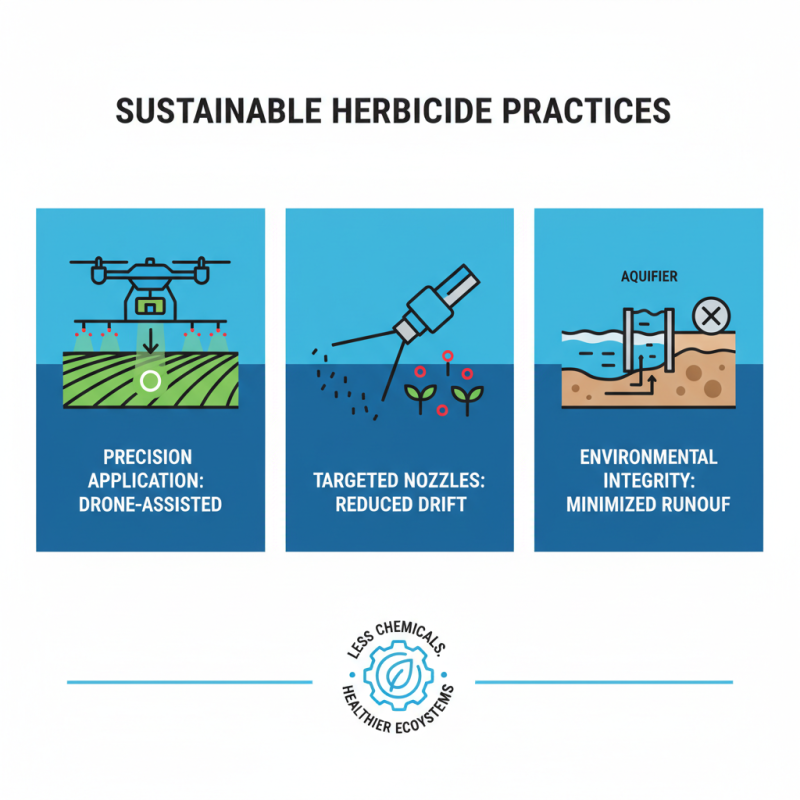
Sustainable practices in herbicide application are crucial for maintaining environmental integrity while effectively managing weeds in agricultural systems. One of the primary strategies is the adoption of precision application technology. By utilizing advanced techniques such as drone-assisted spraying and targeted nozzle designs, farmers can minimize herbicide use and reduce off-target impacts. These technologies enable precise delivery, ensuring that only the necessary amount of herbicide is applied directly to the problem areas, which significantly lowers the risk of chemical runoff into surrounding ecosystems.
Another important aspect of sustainable herbicide application is the integration of crop rotation and cover cropping. These practices not only enhance soil health but also disrupt the life cycles of weeds, reducing reliance on chemical control. By rotating crops and incorporating cover crops, farmers can create a more resilient agroecosystem that naturally suppresses weed growth, allowing for a more judicious use of herbicides. Combining these methods with data analysis and monitoring can help in understanding weed pressure over time, leading to more informed and responsible application decisions that prioritize sustainability alongside productivity.
Future Trends in Biodegradable Herbicides
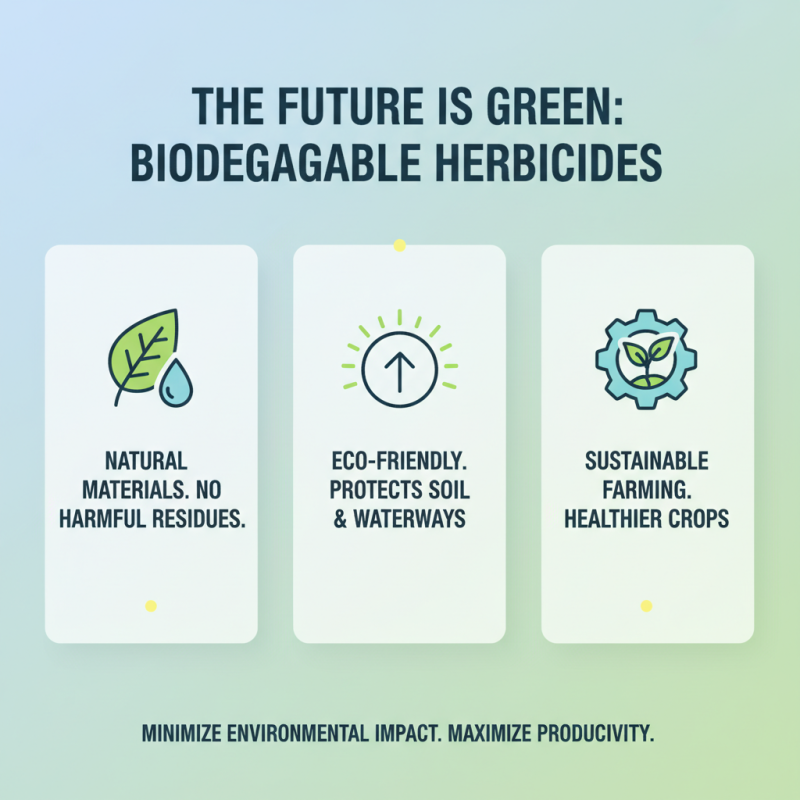
The future of agriculture is increasingly leaning towards sustainable practices, and biodegradable herbicides are at the forefront of this shift. These herbicides, made from natural materials that decompose over time, offer an eco-friendly alternative to conventional chemical herbicides that often leave harmful residues in the soil and waterways. As farmers face mounting pressure to adopt sustainable methods, the development of biodegradable formulations is essential in minimizing environmental impact while maintaining crop productivity.
Innovative technologies are emerging to enhance the effectiveness of biodegradable herbicides. Researchers are focusing on maximizing the efficiency of active ingredients derived from plant oils and other natural sources, ensuring that they can effectively control weeds without the adverse effects associated with synthetic chemicals. Additionally, advancements in delivery systems, such as encapsulation and slow-release formulations, are being explored to improve the persistence and performance of these herbicides. The integration of biodegradable herbicides into modern farming practices not only fosters a healthier environment but also aligns with consumer demand for sustainably produced food. As these technologies mature, they are poised to revolutionize agricultural practices globally, paving the way for a greener future.
Integrating Herbicides with Precision Agriculture Technologies
The integration of herbicides with precision agriculture technologies marks a pivotal shift in sustainable farming practices. By leveraging data-driven approaches, farmers can optimize herbicide use, significantly enhancing their effectiveness while reducing environmental impact. According to a report by the OECD, the global demand for herbicides is projected to reach $36 billion by 2025, driven largely by the rise of precision farming methods. These technologies enable growers to apply herbicides at specific times and rates, tailoring applications to the unique needs of different crop zones within a field.
One of the key benefits of this integration is the reduction of pesticide application rates. A study by the Crop Protection Association indicates that precision application can lower herbicide usage by up to 30%, minimizing both the cost and environmental load of chemical treatments. Furthermore, advanced data analytics and satellite imagery can help identify weed pressure at an unprecedented level, allowing for targeted interventions that preserve beneficial flora and fauna within agricultural ecosystems.
Tips: To maximize the benefits of integrating herbicides with precision agriculture, consider implementing crop rotation strategies and utilizing local pest prediction models. This holistic approach not only enhances weed management but also promotes overall soil health and crop resilience. Additionally, investing in training for staff on the latest precision agriculture tools can lead to smarter usage and higher efficiency in herbicide applications.
Regulatory Considerations for Herbicide Use in Sustainable Farming
In the pursuit of sustainable agriculture, understanding the regulatory considerations for herbicide use is crucial. Farmers and agricultural producers must navigate an intricate web of local, national, and international regulations that govern herbicide application to ensure compliance while promoting biodiversity and environmental health. Key regulations often focus on the environmental impact assessment of herbicides, including their effects on soil health, water quality, and non-target organisms. Farmers should stay informed about the specific guidelines set forth by regulatory bodies to mitigate potential fines and enhance their practices in sustainable herbicide management.
Tips for responsible herbicide use include keeping up-to-date with regulatory changes and participating in local agricultural workshops. Such initiatives can help farmers learn best practices for applying herbicides effectively and sustainably. Furthermore, establishing buffer zones and implementing integrated pest management (IPM) strategies can minimize herbicide runoff and reduce the need for chemical interventions, aligning with both regulatory requirements and sustainable farming goals.
Engaging with local agricultural extension services can provide valuable resources for understanding and implementing these guidelines effectively.
Harnessing the Power of Plant-Based Deodorizers for a Fresher, Greener Home
Harnessing the power of plant-based deodorizers is an innovative approach to creating a fresher and greener home environment. These products are formulated from natural plant extracts, making them an environmentally friendly choice for tackling unpleasant odors. Ideal for use in kitchens, bathrooms, and other odor-prone areas, they provide a quick and effective solution without the harsh chemicals often found in conventional deodorizers.
Using plant-based deodorizers is simple and versatile. Users can spray the product directly onto areas affected by odors or dilute the stock solution with water in a ratio of 1:5 to 1:10 before application. This flexibility allows for tailored use depending on the severity of the odor. These deodorizers are perfect for various settings, from residential spaces such as homes and apartments to commercial environments like hotels, restaurants, schools, and hospitals. They can also be used in outdoor locations, including landfills and breeding farms, making them a versatile option for maintaining cleanliness and freshness wherever needed.
By opting for plant-based deodorizers, individuals can significantly reduce their ecological footprint while effectively managing unpleasant smells. The blend of safety, efficiency, and minimal environmental impact makes these products an excellent choice for anyone looking to enhance their living or working spaces.
FAQS
: Herbicides help manage weed populations that compete with crops for essential resources, leading to higher yields by effectively reducing unwanted plant biomass.
Modern herbicide technologies allow for more precise application techniques, minimizing off-target effects, maximizing land productivity, and reducing the need for excessive tillage.
Biodegradable herbicides are made from natural materials that decompose over time, offering an eco-friendly alternative to conventional chemical herbicides, thus minimizing environmental impact while maintaining crop productivity.
Researchers are focusing on maximizing the efficiency of active ingredients from natural sources and exploring advanced delivery systems like encapsulation and slow-release formulations to enhance herbicide performance.
Precision agriculture allows farmers to apply herbicides at specific times and rates, optimizing their effectiveness and significantly reducing environmental impact through tailored applications.
Precision application can lower herbicide usage by up to 30%, which reduces costs and minimizes the environmental load of chemical treatments.
Strategies include implementing crop rotation, utilizing local pest prediction models, and investing in staff training on the latest precision agriculture tools.
This integration allows for targeted interventions that preserve beneficial flora and fauna within agricultural ecosystems, promoting overall ecological health.
The future trend is moving towards sustainable practices with an increased focus on biodegradable herbicides and precision agriculture technologies, aiming for a healthier environment and sustainable food production.
Continuous assessment ensures that the use of herbicides contributes to long-term agricultural sustainability, promoting biodiversity and reducing environmental impact.
Conclusion
The article "2025 Top Herbicide Plant Technologies for Sustainable Agriculture" explores the advancements in herbicide plant technologies that aim to enhance agricultural sustainability. It highlights key innovations in herbicide development projected for 2025, emphasizing their role in improving crop production efficiency while minimizing environmental impact. The discussion includes sustainable practices associated with herbicide application, ensuring that farmers can utilize these tools responsibly.
Furthermore, the article delves into future trends, particularly focusing on biodegradable herbicides and how they can be integrated with precision agriculture technologies. It also addresses regulatory considerations that are critical for the safe and effective use of herbicides in sustainable farming practices. Through these insights, the article aims to provide a comprehensive overview of how herbicide plant technologies can support the goals of sustainable agriculture.

 0551-68500918
  Contact Email
 Contact WhatsApp