The Insecticide Market in China is pretty unique and offers some interesting opportunities for global buyers. With such a wide range of agricultural needs across the country, the demand for effective pest control solutions keeps growing. Big names like Syngenta, BASF, and Bayer have really made a solid presence there, offering a bunch of innovative products.
Getting a good handle on this market means understanding local rules and cultural preferences, too. Chinese consumers tend to favor eco-friendly and safe options, which has led to a noticeable uptick in demand for biopesticides. It’s kind of a mix of traditional methods and new tech, making the environment pretty dynamic—but that can also make things tricky for newcomers trying to break in.
If you're thinking of buying, just keep in mind that not all products perform consistently across different climates and pest issues. Sometimes, you might find a product that just doesn’t deliver as expected, which can get complicated when making purchase decisions. Doing your homework and forming local partnerships can really make a difference in navigating this evolving market and making smarter choices.

Overview of Insecticide Market in China
The insecticide market in China is vast and rapidly evolving. Farmers increasingly seek effective solutions against pests. As agriculture pushes towards higher yields, demand for insecticides remains strong. Producers are innovating to meet this need. They focus on efficacy and safety, ensuring products minimize environmental impact.
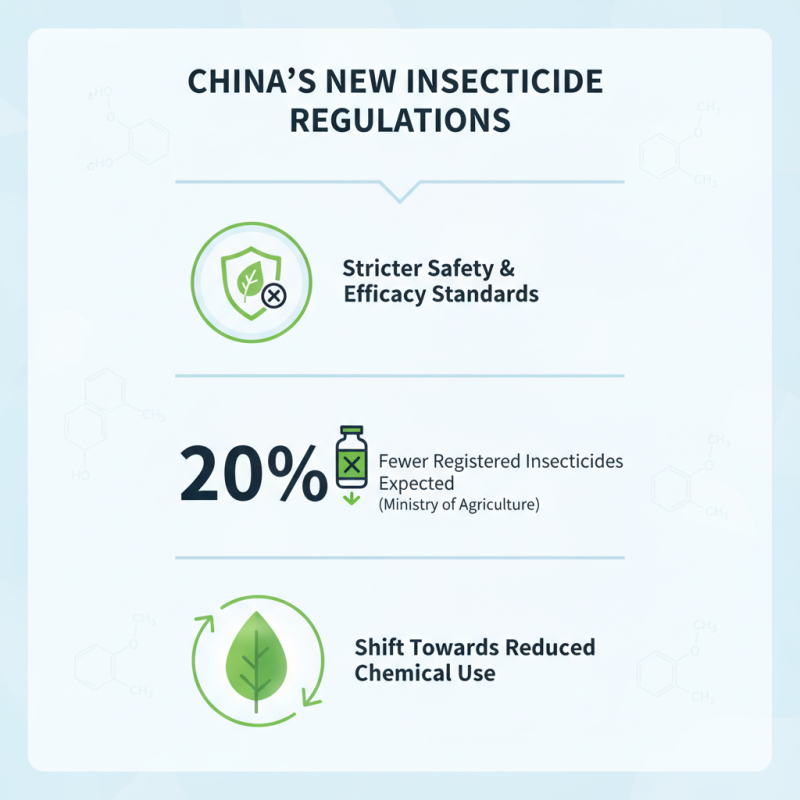
Importantly, regulatory standards play a significant role. China has strict regulations governing pest control products. Companies must comply with these to enter the market. However, navigating these regulations can be challenging for foreign buyers. Understanding local policies is crucial to success.
Market trends also indicate a shift towards biopesticides. These products utilize natural ingredients and are gaining popularity. They appeal to environmentally conscious consumers and reduce chemical dependency. However, their effectiveness compared to traditional options sometimes raises questions. Buyers need to weigh the benefits and drawbacks carefully. The landscape is competitive, with continuous innovation shaping the future.
Criteria for Selecting Top Insecticide Products
When selecting Top Insecticide products in China, certain criteria stand out. Efficacy is critical. Products must demonstrate significant pest control capabilities to be deemed effective. Research indicates that formulations should target specific pest species for optimal results. Market data shows that products with over 80% efficacy in tests tend to gain higher acceptance among global buyers.
Another important aspect is safety. Insecticides should have a favorable safety profile for humans and non-target organisms. Reports indicate that regulatory standards in China focus on acceptable residue levels. Buyers often seek insecticides with clear safety information. Transparency in labeling can enhance buyer confidence, making it a key selection criterion.
Environmental impact cannot be overlooked. Sustainable practices are increasingly vital. Insecticides that break down quickly in the environment show promise. Studies reveal that products with low persistence can significantly reduce ecological risks. However, the challenge lies in balancing effectiveness with environmental responsibility. Companies must continually address this aspect to meet the evolving demands of the market.
Top 10 Insecticide Products: An In-Depth Analysis
In China, the demand for insecticides is rising. Farmers seek effective solutions for pest control. The market features diverse products tailored to various pests. Each product has unique characteristics, catering to specific agricultural needs.
Choosing the right insecticide is critical. Buyers must consider factors such as efficacy and application methods. Many products offer quick results but can harm beneficial insects. Finding a balance can be challenging. A product that works wonders for one pest may be ineffective for another. Relying on user reviews and expert opinions is crucial.
Innovation plays a significant role in product development. New formulations are being introduced regularly. However, not all innovations are practical. Some might require special equipment, increasing costs. Understanding local regulations is also vital, as these can vary greatly. Buyers should stay informed and reflect on their choices to ensure sustainability and effectiveness in pest management.
Top 10 Insecticide Products in China for Global Buyers
| Rank | Product Type | Active Ingredient | Formulation Type | Target Pests | Usage Rate (g/ha) |
| 1 | Insecticide A | Pyrethroid | Emulsifiable Concentrate | Cockroaches, Ants | 150 |
| 2 | Insecticide B | Neonicotinoid | Granule | Beetles, Aphids | 200 |
| 3 | Insecticide C | Organophosphate | Liquid | Mites, Thrips | 100 |
| 4 | Insecticide D | Biopesticide | Wettable Powder | Caterpillars, Leafminers | 250 |
| 5 | Insecticide E | Insect Growth Regulator | Liquid | Fleas, Gnats | 300 |
| 6 | Insecticide F | Chloronicotinyl | Suspension Concentrate | Whiteflies, Ticks | 180 |
| 7 | Insecticide G | Pyrimidine | Emulsion | Grasshoppers, Crickets | 75 |
| 8 | Insecticide H | Acaricide | Granular | Spider mites, Scale insects | 120 |
| 9 | Insecticide I | Biochemical | Liquid | Lice, Bedbugs | 160 |
| 10 | Insecticide J | Mineral Oil | Oil-based | Soft-bodied insects | 220 |
Product Features and Benefits of Each Insecticide
Insecticides play a crucial role in agriculture. They help protect crops from pests. Farmers in China have access to a variety of effective products. Each insecticide has distinct features. Understanding these can aid global buyers in making informed decisions.
One popular type of insecticide is the contact insecticide. It works by directly affecting pests upon contact, leading to quick knockdown. Another type is systemic insecticides. These are absorbed by plants, making them toxic to pests that consume plant tissues. This method offers longer-lasting protection. Integrated pest management strategies increasingly incorporate these products. The goal is both efficacy and safety.
While these products are effective, there are challenges. Some insecticides may impact beneficial insects. This can disrupt local ecosystems. Additionally, resistance development is a significant concern. Over time, pests may become less sensitive to certain chemicals. A reflective approach is essential. Continuous monitoring and innovative methods are necessary to balance productivity and environmental health.
Top 10 Insecticide Products in China for Global Buyers
Export Potential for Chinese Insecticide Products
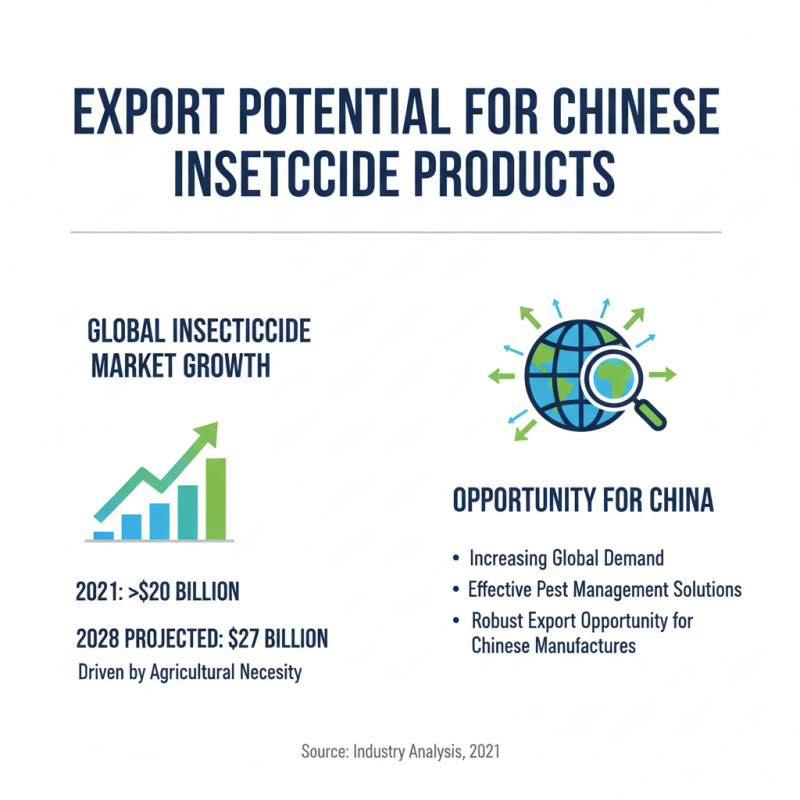
The global demand for insecticides continues to grow. In 2021, the insecticide market was estimated at over $20 billion. This figure is projected to reach $27 billion by 2028, driven largely by agricultural necessity. Countries are increasingly seeking effective pest management solutions, creating a robust opportunity for Chinese insecticide exports.
Chinese manufacturers have the capacity to meet this growing demand. The nation is a leading producer, accounting for over 25% of Global Insecticide sales. Compared to competitors, China's production costs are relatively low. As a result, many global buyers view Chinese products as cost-effective options. However, quality inconsistencies remain a concern. Not all products adhere to international standards. Some buyers hesitate due to potential risks of ineffective formulations.
Recent data highlights that China’s eco-friendly insecticides are gaining traction. Environmental regulations are tightening worldwide. Many countries are now prioritizing sustainable agricultural practices. Chinese companies that focus on developing biopesticides are positioning themselves well in the global market. Yet, they must ensure that their products not only comply with safety regulations but also demonstrate efficacy against pests. This dual focus can enhance their reliability in the eyes of international buyers.
Consumer Trends and Preferences in Insecticide Usage
In recent years, the insecticide market in China has experienced notable shifts. Consumers are increasingly leaning towards environmentally friendly products. According to industry reports, 45% of buyers prefer insecticides derived from natural sources. These preferences reflect a growing consciousness about health and sustainability.
Moreover, the demand for biodegradable options has surged. Nearly 30% of consumers actively seek alternatives that minimize environmental impact. However, despite this trend, there remains a significant segment that opts for traditional chemical-based products. This discrepancy highlights a potential area for improvement within the market.
Recent surveys indicate a 15% increase in consumer awareness regarding the side effects of chemical insecticides. Many buyers express concerns about safety, prompting a shift toward products with transparent ingredient lists. Nevertheless, the challenge remains to educate consumers about the balance between efficacy and safety.
Conclusion
The Insecticide Market in China has experienced significant growth due to increasing agricultural demands and a rising awareness of pest control. This article provides an overview of the current market landscape, highlighting key criteria for selecting top insecticide products. It includes an in-depth analysis of the top 10 insecticides available for global buyers, detailing their unique features and benefits.
Moreover, the article discusses regulatory standards that impact the production and sale of insecticides in China, emphasizing the importance of compliance for exporters. It also examines the export potential of Chinese insecticides and explores consumer trends and preferences, shedding light on how these factors influence product choice in the market. Overall, the insights presented aim to guide global buyers in navigating the diverse offerings in China's insecticide market.

 0551-68500918
  Contact Email
 Contact WhatsApp