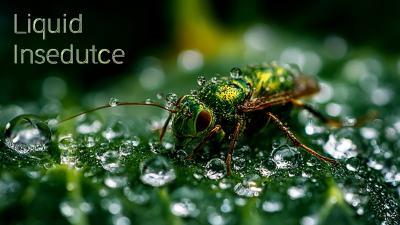
Lately, there's been a real buzz about living healthier, and that has people digging for safer ways to handle pests at home. Did you know that according to the EPA, more than 90% of households are actually using some kind of pesticide indoors? Crazy, right? It just goes to show how much we still rely on chemical solutions to keep pests at bay. But here’s the thing—traditional pesticides can actually be pretty risky, especially for kids and pets wandering around the house. That’s why there’s a rising popularity of eco-friendly, innovative options that are safer for everyone. At Innovation Meiland (Hefei) Co., LTD., we’re really passionate about leading this shift. We’re working hard to develop new pesticide products, formulations, and methods that focus on safety without losing their effectiveness. Our goal is to support sustainable pest control so that your home stays pest-free and, more importantly, safe for all your loved ones.
Understanding the Importance of Safe In-Home Pesticides for Health
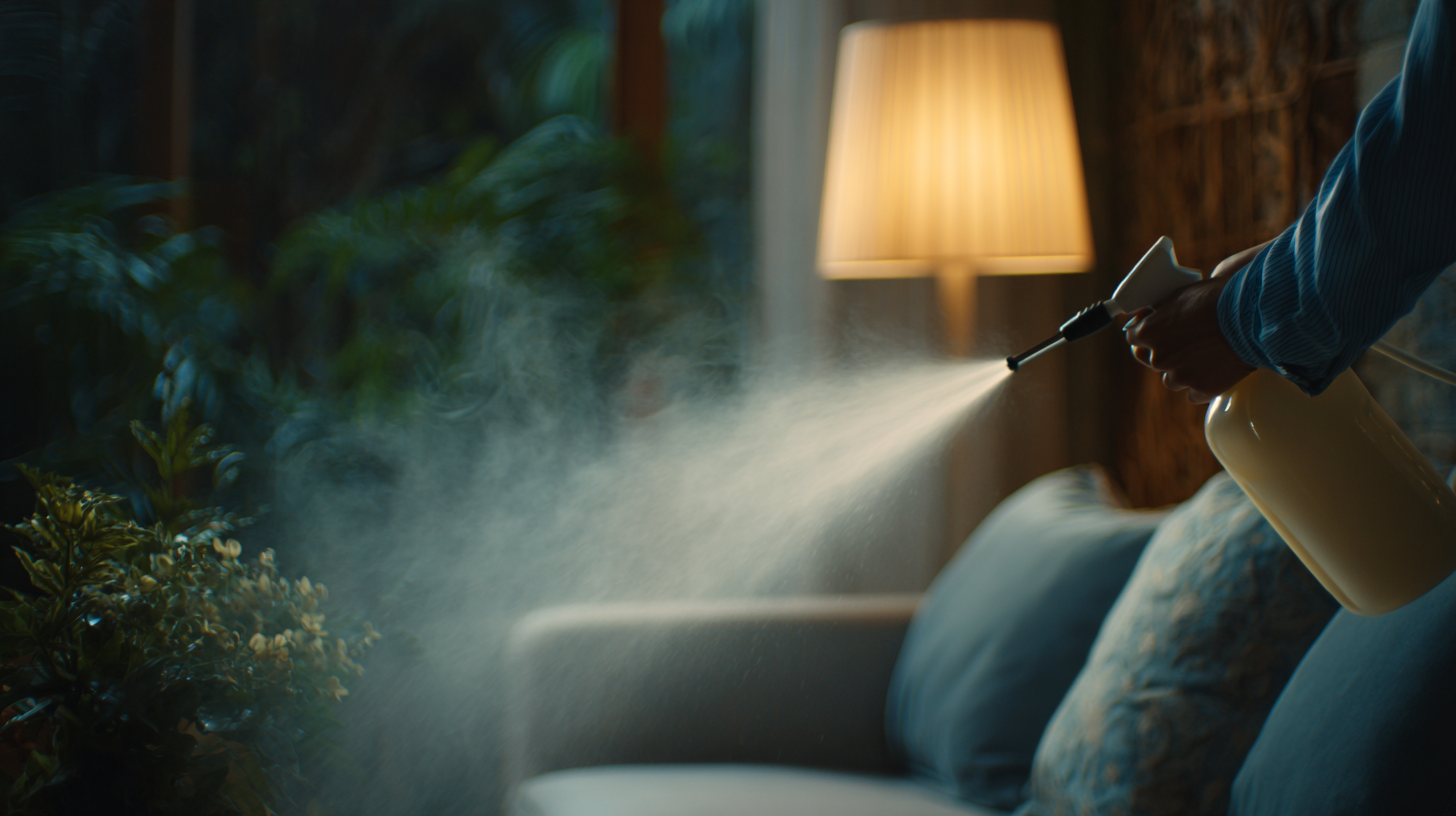
These days, more and more folks are realizing just how important it is to be cautious with pesticides used inside the house. It’s kind of eye-opening to learn that the chemicals we rely on for pest control can actually mess with the air quality indoors. According to the EPA, regular household pesticides can contribute to indoor air pollution that’s up to five times worse than outside—even more reason to think twice about what we’re bringing into our homes. This is especially crucial for vulnerable groups like kids and pets, who are more at risk.
And honestly, a lot of people don’t realize that some of these pest control products might have long-term health consequences. A study in the Journal of Medical Entomology even links exposure to synthetic pesticides with issues like breathing problems and neurological conditions. That’s why choosing safer, more natural options can make a big difference—not just for pest control, but for everyone’s well-being. Things like diatomaceous earth or neem oil work pretty well and are way less risky, which fits in nicely with the whole idea of living greener and more holistic these days. It’s all about protecting your family while keeping those pesky pests at bay, without jeopardizing health in the process.
Transform Your Home: The Ultimate Guide to Safe and Effective In Home Pesticides for Healthy Living
| Pesticide Type | Effectiveness | Safety Rating | Active Ingredients | Application Method |
| Essential Oils | Moderate | High | Lemon, Lavender, Peppermint | Spray |
| Diatomaceous Earth | High | Very High | Silica | Dust Application |
| Vinegar | Moderate | High | Acetic Acid | Spray |
| Soap Solutions | Moderate | High | Fatty Acids | Spray |
| Boric Acid | High | Moderate | Boric Oxide | Powder/Granule |
Top 5 Natural Ingredients for Effective Homemade Pest Control
When it comes to keeping your home pest-free, using natural ingredients can really be both effective and safe for your family. One of my favorite DIY options is diatomaceous earth. It’s this really fine powder made from the fossilized remains of tiny aquatic creatures—sounds odd, but it works! It’s fantastic against pests like ants and cockroaches because it messes up their exoskeletons, leading to dehydration and eventually, they just die off. Just sprinkle it around the areas where you see pests hanging out for the best results.
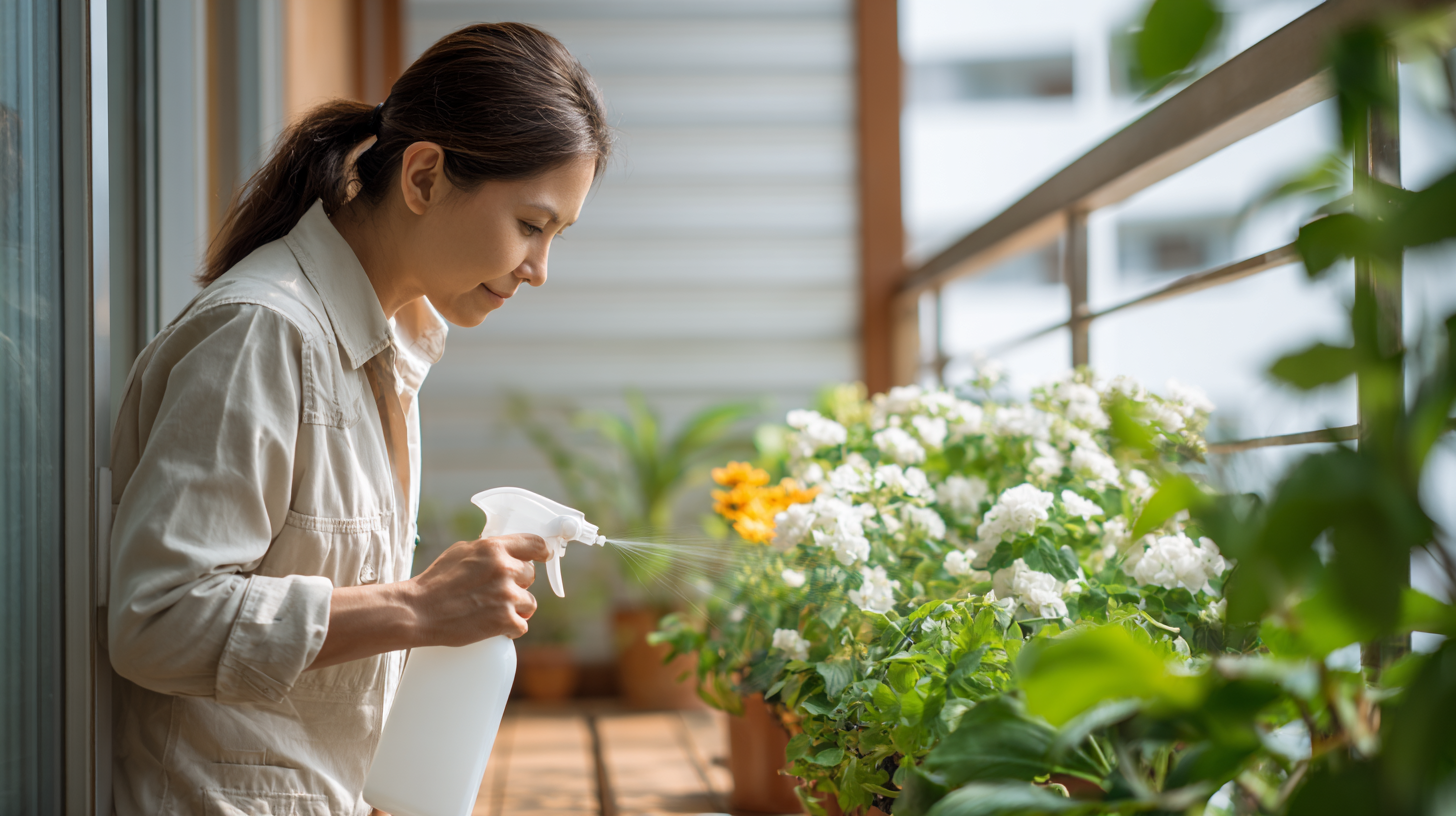
Another great natural remedy is neem oil, which comes from the seeds of the neem tree. It’s pretty amazing because it interrupts the insects’ life cycle, making it a super effective way to ward off pests like aphids and spider mites. Mix a bit of neem oil with water and add a few drops of liquid soap—voila! You’ve got a spray that can protect your indoor plants and is totally safe for your home. And don’t forget about vinegar! It’s a pantry staple that you can use as a natural pest repellent too. Just spray some around entry points—its strong smell usually keeps a lot of insects at bay. Combining these natural solutions can really give you a well-rounded approach to pest control, all while keeping your space healthier and free from harsh chemicals.
7 Essential Tips for Applying Pesticides Safely in Your Home
Whenever you're using pesticides around your house, there are a few key things to keep in mind to do it safely. First off, make sure to read the label really carefully—you want to understand the right amount to use, how to apply it properly, and what safety measures to take. The labels have all the important info on how to reduce risks to your health and the planet, so don’t skip that step.
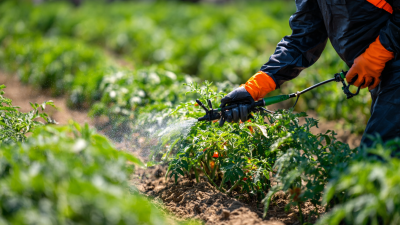
Also, timing is everything. Try to apply pesticides when it’s pretty calm outside—wind can carry the chemicals where you don’t want them—and make sure no pets or kids are around. If you can, it’s always smart to try some natural, non-Chemical Pest control methods first, like sealing up entry points or using natural repellents. And don’t forget to wear protective gear like gloves, masks, and goggles—these little precautions can make a big difference in keeping you safe while tackling those pests. Bottom line, a little preparation goes a long way to keeping everyone safe and your home pest-free.
Effective Home Pesticide Application Tips
The 6 Most Common Household Pests and Their Best Treatment Methods
Keeping a home safe and pest-free is kinda a big deal, right? It all starts with knowing the usual suspects—things like ants, cockroaches, termites, bed bugs, mice or rats, and spiders. Each of these pests comes with its own set of challenges, but knowing how to tackle them can really save you time and keep everyone safe.
For example, ants are usually manageable with some bait traps—these lure them in and kill the colony, pretty straightforward. Cockroaches can be trickier, often needing a mix of good sanitation and targeted sprays to get rid of them. When it comes to termites, prevention is key—stuff like controlling moisture levels and regular inspections can make a huge difference.
Bed bugs? Those little pests are stubborn. Usually, you'll need professional heat treatments or thorough steaming of your bedding and furniture to kick them out. Mice and rats can be discouraged by sealing up entry points and setting humane traps, which is always a good move. And spiders? They’re mostly just a matter of keeping things tidy and maybe using natural repellents around the house.
Using these approaches doesn’t just help keep pests at bay, but also helps you maintain a safer, healthier space. And if you go for natural or low-toxicity options, you’re cutting down on the health risks linked to harsh chemicals—so, it’s better for you and your family overall.
How to Create a Pest-Free Environment with 4 Simple Lifestyle Changes
Keeping pests out of your home isn’t just about spraying pesticides or bug bombs. It’s more about making some simple, everyday lifestyle tweaks that can really cut down on what attracts those unwanted critters. Did you know? According to a study by the National Pest Management Association, about 84% of homeowners in the US agree that preventing pests is pretty much essential for a healthy, comfy living space. So, here are four easy things you can start doing today to make your home less pest-friendly and healthier overall.
 First up, let’s talk about food storage. A lot of pests are attracted to easily accessible snacks and crumbs, so it helps a ton to keep your food in airtight containers and to stay on top of cleaning up spills and crumbs. The CDC even mentions that nearly 2 out of 10 food poisoning cases come from pests, which really drive home why proper food storage is so important.
Next, don’t forget about moisture—pests like cockroaches and others love damp spots. Fixing leaks, making sure your home gets good airflow, and reducing humid areas makes a big difference. The EPA has pointed out that controlling moisture is one of the most effective parts of pest management, especially because pests like termites are especially fond of damp wood and structures. Ticking these boxes not only keeps pests away but also makes for a healthier, more comfortable home.
10 Myths About Home Pesticides: What You Need to Know
Clearing up myths about home pesticides is super important if we want people to use them safely and effectively. A lot of homeowners still think that all pesticides are dangerous to our health, but they often overlook how much safer modern formulations and application methods have become. For example, according to a report from the European Food Safety Authority, over 90% of pesticide products go through thorough safety checks before they’re approved — meaning they can actually be used in our homes without putting residents at risk.
Here in India, where agriculture plays such a key role for food security, busting these myths is even more crucial. The government’s been rolling out programs to teach farmers about responsible pesticide use, stressing that, when used properly, these products can actually help boost crop yields. Some studies even suggest that Applying Pesticides correctly can increase agricultural productivity by20% to 30%, which is huge for a country dealing with food production hurdles. Companies like Innovation Meiland are doing their part too, coming up with new pesticide formulas that are both safe and effective. All of this means consumers can feel more confident about protecting their homes and health while also caring for the environment.
FAQS
: Safe in-home pesticides are important as they help protect indoor air quality and reduce health risks associated with conventional pesticides, particularly for vulnerable populations like children and pets.
Traditional pest control methods can contribute to indoor air pollution and are linked to long-term health effects, including respiratory problems and neurological disorders.
Effective natural alternatives include diatomaceous earth, neem oil, and vinegar. These ingredients are less toxic and can target pests while minimizing health risks.
Diatomaceous earth damages the exoskeletons of pests like ants and cockroaches, causing dehydration and eventually death.
Key lifestyle changes include properly storing food in sealed containers, eliminating moisture by fixing leaks, and ensuring proper ventilation.
Proper food storage is important because accessible food sources attract pests, and nearly 20% of foodborne illnesses are caused by pests according to the CDC.
Moisture creates conducive environments for pests like cockroaches and termites, making it essential to control moisture levels to prevent pest infestations.
Proper ventilation helps reduce moisture levels in the home, which is crucial for managing pests that thrive in damp conditions.
Yes, vinegar can deter pests due to its strong smell, making it effective when used in a spray bottle around entry points.
Homeowners should consider both the effectiveness of pest control methods and their impact on health and indoor air quality when choosing products.
Conclusion
When it comes to creating a healthier living space, understanding how in-home pesticides work is actually pretty important. This guide really highlights why it's so vital to pick safe pesticide options that keep both your family’s health and your home protected. It shares some handy tips on natural ingredients you can use at home for pest control—and how to use them safely without any headaches. Plus, it’s helpful in getting to know common household pests and what really works against them. The advice on simple lifestyle tweaks to keep pests out is pretty practical too. And don’t worry—we also clear up some of the biggest myths about home pesticides, so you can make smarter, more informed choices.
At Innovation Meiland (Hefei) Co., LTD., we’re all about creating innovative, safe pesticide solutions that you can actually trust in your home. Our research is centered on developing new formulas that prioritize your family’s health and safety, perfectly matching the insights shared in this easy-to-follow guide.

 0551-68500918
  Contact Email
 Contact WhatsApp