0551-68500918 


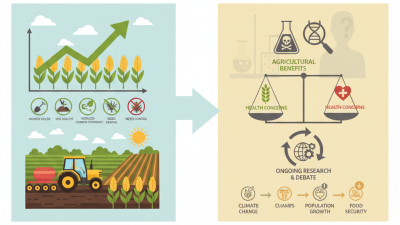
Lately, there's been quite a bit of talk about glyphosate in agriculture, and honestly, it's a pretty controversial subject. You know, this chemical is a go-to herbicide for lots of farmers—helping them keep weeds in check and boosting crop yields. But at the same time, folks are starting to ask, is it really safe? What might be the long-term effects on our environment? It’s definitely something worth taking a closer look at.
Most farmers rely on glyphosate because it makes their lives easier—less labor, more productivity. But recently, new studies have come out raising questions about how it might affect our health and the diverse life in our ecosystems. That concern about potential health risks? It's a big deal for consumers who want to know what they’re really eating. We all need to understand what’s going on so we can make smarter choices.
And then there's the ongoing debate hitting big companies like Monsanto and others that produce glyphosate. They insist it's safe, but critics are calling for more openness and research to back it up. The farming community’s gotta balance the undeniable benefits of using glyphosate with the possible risks it poses. Finding that balance is key if we want sustainable and responsible farming practices in License Agriculture.
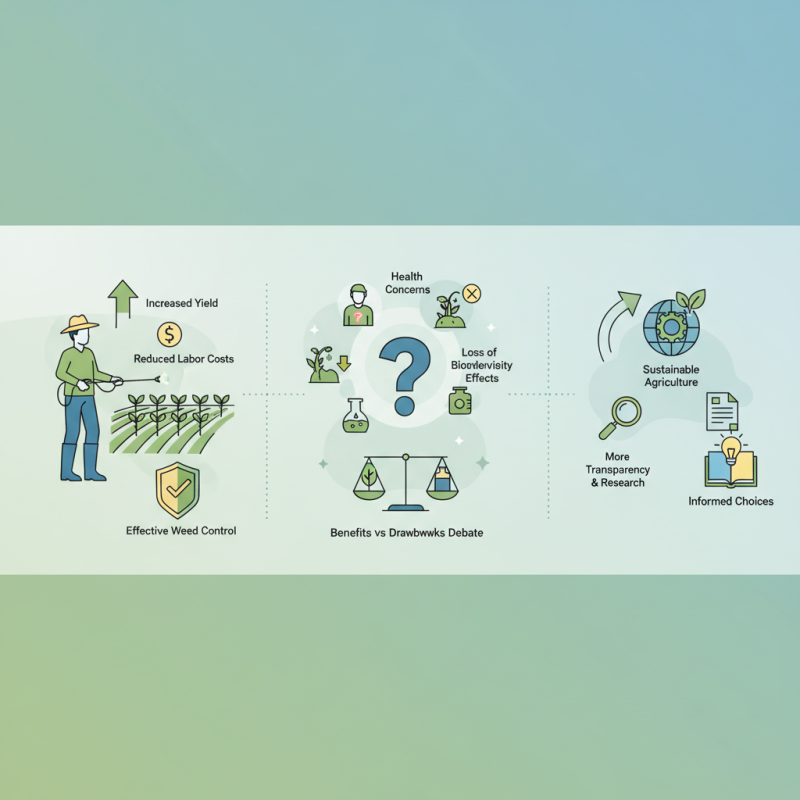
Glyphosate is one of the most widely used herbicides in agriculture. It plays a significant role in weed control, particularly for crops in the Agriculture Kitnashak sector. According to the Food and Agriculture Organization (FAO), glyphosate contributes to increased crop yields and sustainability. It helps farmers manage resistant weed populations effectively. This effectiveness is often reflected in data showing that over 200 million kilograms of glyphosate were applied to crops globally in the last decade.
Despite its benefits, the use of glyphosate raises safety and environmental concerns. Studies from the National Institute of Health (NIH) highlight potential health risks. Some research indicates a possible link to certain cancers, which creates anxiety among consumers and farmers alike. The ongoing debates about glyphosate's safety fuel constant scrutiny in the agricultural community.
Farmers may need to balance effectiveness with safety. Crop diversification and integrated pest management can serve as alternatives to glyphosate. However, these methods might not always achieve the same level of efficiency. While glyphosate enhances agricultural productivity, the conversation about its safety is complex. The Agriculture Kitnashak initiative encourages stakeholders to consider these concerns seriously. The goal is to ensure sustainable practices that benefit both agriculture and public health.
Glyphosate is a widely used herbicide in agriculture. Its mechanism of action is crucial to understand. It works by targeting a specific enzyme pathway, the shikimic acid pathway, which is essential for plant growth. This pathway is absent in animals, making glyphosate selectively toxic to plants. Research indicates that glyphosate effectively inhibits this pathway, disrupting amino acid production. A study from the International Journal of Agricultural Science illustrates that glyphosate can reduce plant biomass by up to 50% in certain species.
However, there are concerns about glyphosate’s environmental impact and safety. Many environmentalists question its long-term effects. Some studies show potential links to reduced biodiversity in agricultural ecosystems. For instance, a report by the Environmental Protection Agency noted a decline in pollinator populations near areas where glyphosate is heavily applied. These details lead to ongoing debates about its use in Herbicide Agriculture.
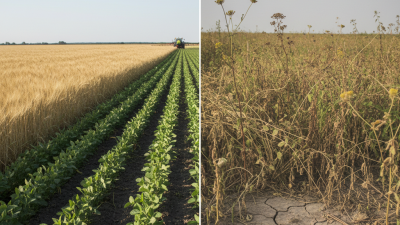
Farmers rely on glyphosate for efficient weed control. Yet, the increasing use raises questions about resistance development in weeds. Some crops are becoming less responsive to glyphosate, demanding alternative management strategies. This situation highlights the need for sustainable practices in agriculture. Understanding glyphosate's impact is essential for future farming decisions.
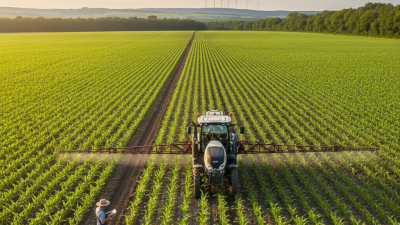
Glyphosate is a key herbicide used in modern farming. It offers several benefits that have transformed agricultural practices. According to the U.S. Department of Agriculture, Glyphosate Use has increased by about 30% over the last decade. This herbicide helps farmers manage weeds more effectively, leading to higher crop yields. Farmers can apply it directly to crops engineered for resistance without damaging the plants. This efficient weed control can reduce competition for resources, allowing crops to grow stronger.
However, the use of glyphosate is not without challenges. Some studies suggest potential risks associated with its long-term use. For instance, a report from the World Health Organization noted some concerns regarding glyphosate's link to health issues. Many farmers argue that despite these concerns, the benefits outweigh the risks. Farmers often note that glyphosate reduces the need for tillage, which can benefit soil health. However, reliance on a single herbicide may lead to weed resistance. This issue raises questions about sustainability in farming practices.
Farmers must weigh these factors carefully. Studies show that diverse weed management strategies are crucial. They can maintain the effectiveness of glyphosate while addressing environmental concerns. It's a complex landscape, and ongoing research is necessary to ensure that the use of glyphosate aligns with safe and effective agricultural practices.
Glyphosate is widely used in agriculture. Farmers rely on it to control weeds. However, it's essential to examine its environmental and health risks. Studies have indicated that glyphosate may affect biodiversity in soil ecosystems. Some organisms could suffer from exposure, leading to imbalances.
Concerns also extend to human health. Ongoing debates around glyphosate's safety continue. Certain studies suggest a link to health issues, while others dispute those claims. This uncertainty leaves many feeling uneasy. How safe is it really? Additionally, Agriculture Adjuvants may interact with glyphosate, potentially altering its effectiveness and safety. The effects of these combinations need thorough investigation. Responsible use is essential for sustainable farming practices.
Glyphosate, widely used as an Agriculture Weed Killer, has a complex regulatory framework surrounding its safety. Regulatory bodies in various countries conduct in-depth assessments to ensure that its use does not pose significant risks. For instance, the European Food Safety Authority (EFSA) and the U.S. Environmental Protection Agency (EPA) have both deemed glyphosate safe when used according to guidelines. Studies indicate that there is no evidence of carcinogenicity in humans at recommended exposure levels.
However, the controversy surrounding glyphosate persists. Recent reports reveal that some assessments could be outdated or influenced by industry data. In 2020, the International Agency for Research on Cancer reconsidered its initial assessment, suggesting further studies are necessary. This has led to public skepticism regarding glyphosate's safety. Additionally, unintended consequences sometimes arise, such as the development of glyphosate-resistant weed species, which challenges sustainable agriculture practices and calls for reflection on long-term usage.
The ongoing debates highlight the importance of transparency. Farmers and consumers deserve access to unbiased information. Regulatory frameworks should evolve with new scientific findings. It is vital to balance agricultural needs with environmental protection. Understanding glyphosate's role in agriculture involves looking at both its benefits and its drawbacks, ensuring informed decisions for the future.
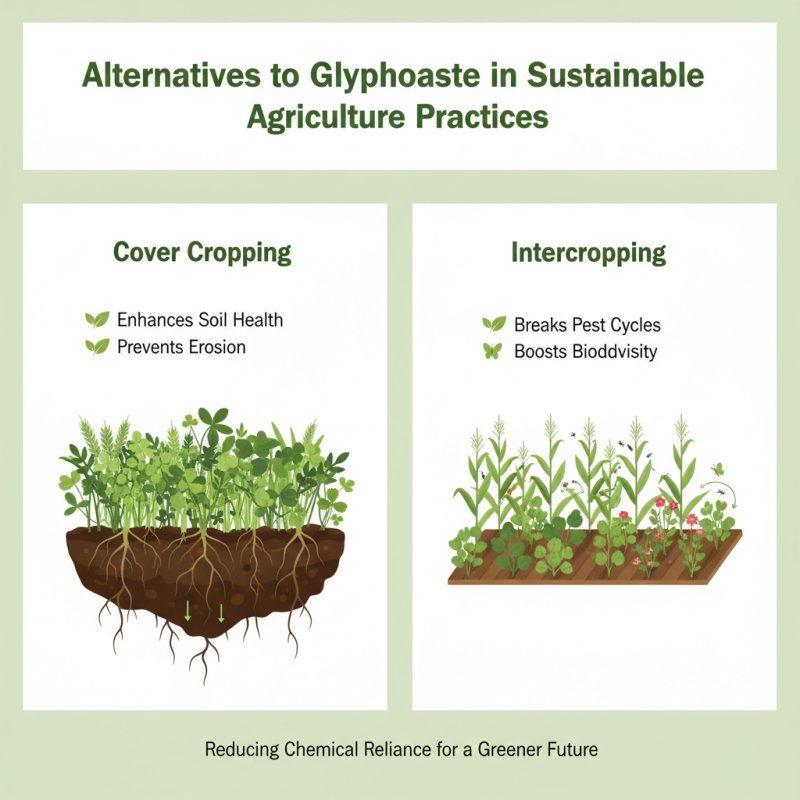
Alternative approaches to glyphosate in sustainable agriculture are gaining traction. Farmers are exploring diverse methods to reduce chemical reliance. Cover cropping is one effective strategy. It enhances soil health and prevents erosion. Additionally, intercropping can break pest cycles and boost biodiversity.
Another promising option is organic herbicides. These products, derived from natural sources, can combat weeds without harming the ecosystem. However, their effectiveness may vary. Proper application techniques are essential for success. Farmers need to experiment cautiously with these alternatives.
Education plays a crucial role in this transition. Workshops can offer practical insights into alternative practices. Collaboration among local farmers fosters knowledge sharing. While the journey may be challenging, exploring new methods can lead to a healthier agricultural system. The path to sustainability is not always clear-cut. It requires ongoing reflection and adaptation.
Glyphosate is a widely used herbicide in agriculture. Its safety and impact on health spark significant public debate. Many claim that glyphosate poses risks to human health and the environment. In fact, a 2022 survey revealed that nearly 70% of consumers worry about pesticides in their food. Reports indicate concerns about glyphosate residues detected in various crops.
Research by various agricultural bodies shows glyphosate's benefits. It is effective in weed control, helping increase crop yields. Farmers using glyphosate often report reduced soil erosion. However, the controversy mainly centers around potential health effects. Some studies suggest links to certain cancers, raising alarm among the public. Yet, regulatory agencies assert that glyphosate is safe when used as directed.
The disparity in perception persists. While scientific reviews generally support glyphosate's safety, activists highlight the uncertainties in long-term studies. Many argue that more comprehensive research is needed. Public trust appears undermined by these inconsistencies. The dialogue surrounding glyphosate illustrates the complexity of agricultural practices and consumer safety.
| Dimension | Data Point |
|---|---|
| Usage in Agriculture (%) | 75% |
| Perceived Safety (Public Survey) | 38% Safe |
| Health Concerns (%) | 62% |
| Environmental Impact Awareness (%) | 52% |
| Support for Regulation Changes (%) | 70% |
| Public Trust in Scientific Research (%) | 45% |
: Glyphosate is primarily used as a herbicide for effective weed control in agriculture.
Glyphosate contributes to increased crop yields by managing resistant weed populations effectively.
Yes, some studies suggest a potential link between glyphosate and certain cancers, raising public anxiety.
Alternatives include cover cropping, intercropping, and organic herbicides which can promote sustainability.
Farmers can attend workshops, share knowledge, and experiment cautiously with alternative methods and techniques.
Many consumers worry about glyphosate's safety, with nearly 70% expressing concerns about pesticide residues in food.
Education helps farmers understand alternative practices and encourages collaboration for knowledge sharing.
The complexities arise from differing scientific reviews and public trust issues related to health safety.
Glyphosate use can help reduce soil erosion, but environmental impacts remain a debated topic.
Organic herbicides can combat weeds, but their effectiveness may vary based on application techniques.
Glyphosate in agriculture has become a pivotal topic, reflecting its significant role in modern farming practices. This herbicide operates by disrupting essential biochemical processes in plants, which helps manage weed populations effectively. The benefits of glyphosate are clear, contributing to increased crop yields and reduced tillage, thereby supporting sustainable farming practices. However, the use of glyphosate is not without controversy, as concerns regarding potential environmental impacts and health risks have emerged.
Regulatory frameworks have been established to assess glyphosate's safety, balancing its agricultural benefits with public health and ecological considerations. Alternatives to glyphosate are also being explored to promote sustainable agriculture, reflecting a growing public interest in safe and eco-friendly farming solutions. The ongoing debate surrounding glyphosate highlights the complexity of agricultural practices and the need for informed discussions about its use and implications.