Leave Your Message
0%

In today’s world of modern farming, Agricultural Oilis playing an increasingly important role. Well-known expert Dr. John Miller, who’s a top agronomist at Green Fields Agronomy, reminds us that, "Choosing the right Agricultural Oil can really make a huge difference in crop yields." His insights help us understand how this pretty versatile tool can really boost our farming efforts.

Basically, Agricultural Oil isn’t just about doing its job — it can also improve soil health and help plants grow better. It makes nutrient uptake easier and can even make crops more resistant to pests. Sadly, a lot of farmers overlook its potential, which means they might not get the best results. The tricky part? Knowing which type of oil to use for different crops. Picking the right one is key if you want to maximize its benefits.

That said, it’s super important to think about your local conditions and the variety of crops you’re growing. What works wonders on one farm might not be the best option for another. Plus, overusing or misusing Agricultural Oil can backfire, so farmers should regularly test and check their soil. Basically, the secret to better yields comes down to staying curious, learning as you go, and adjusting your methods based on what you observe. It’s all about experimenting and finding what really works for your farm.

How to Use Agricultural Oil for Maximum Crop Yield?

Understanding Agricultural Oil and Its Types

Agricultural oil plays a significant role in modern farming practices. It serves various functions, primarily as a pesticide and a growth enhancer. According to a report by the Agricultural Research Service (ARS), the use of agricultural oils has increased significantly, showing a marked improvement in crop yields. The right type of oil can boost the effectiveness of pest control, leading to healthier plants and reduced crop loss.

There are several types of agricultural oils, including mineral oil, vegetable oil, and essential oil. Each type has unique properties. Mineral oil, for example, is known for its potency and affordability. Research suggests that mineral oil mixed with specific emulsifiers can enhance its capabilities against pests. Vegetable oils, on the other hand, have gained attention for their eco-friendliness. Studies indicate that using Oil Pesticide derived from organic sources can yield effective pest control without harming beneficial insects.

Balancing the use of these oils remains a challenge for farmers. While they can enhance yields, improper application may lead to crop damage. Overuse can also result in pest resistance. It is essential to educate farmers on the best practices for applying agricultural oils. Some may overlook the critical role of timing in pest management, leading to ineffective treatments. Understanding oil types and their applications can significantly impact crop productivity.

How to Use Agricultural Oil for Maximum Crop Yield? - Understanding Agricultural Oil and Its Types

Type of Agricultural Oil Key Benefits Best Uses Ideal Crop Types
Vegetable Oil Improves soil quality, enhances moisture retention Soil amendment, pest control Vegetables, herbs
Fish Oil Rich in nitrogen and phosphorus, promotes plant growth Fertilizer Fruits, grains
Palm Oil High in carotenoids, boosts photosynthesis Biofuel production, soil enhancement Oilseeds, tropical crops
Coconut Oil Includes antimicrobial properties, aids in plant health Pest deterrent, foliage treatment Coconut trees, tropical plants
Soybean Oil Source of essential fatty acids, improves soil fertility Organic fertilizer, soil conditioner Legumes, cereals

Benefits of Using Agricultural Oil in Crop Production

Agricultural oil has gained attention for its effectiveness in crop production. Using Insecticide Oil can significantly enhance yield by controlling pests. This oil acts as a barrier, preventing pests from damaging crops. Many farmers have reported better harvests after incorporating this method. However, its use is not without challenges. Some crops may react poorly to oils. Testing on a small scale is advised before wide application.

Aside from pest control, agricultural oil can improve soil health. It helps retain moisture, especially in dry conditions. Healthy soil leads to stronger plants. Therefore, farmers should consider the type of oil they use. Not all oils provide the same benefits. Some may cause issues, like clogging sprayer nozzles. Continuous monitoring and adjustments may be necessary to avoid such setbacks. With a cautious approach, agricultural oil can be a valuable tool in crop production.

Best Practices for Applying Agricultural Oil on Crops

How to Use Agricultural Oil for Maximum Crop Yield?

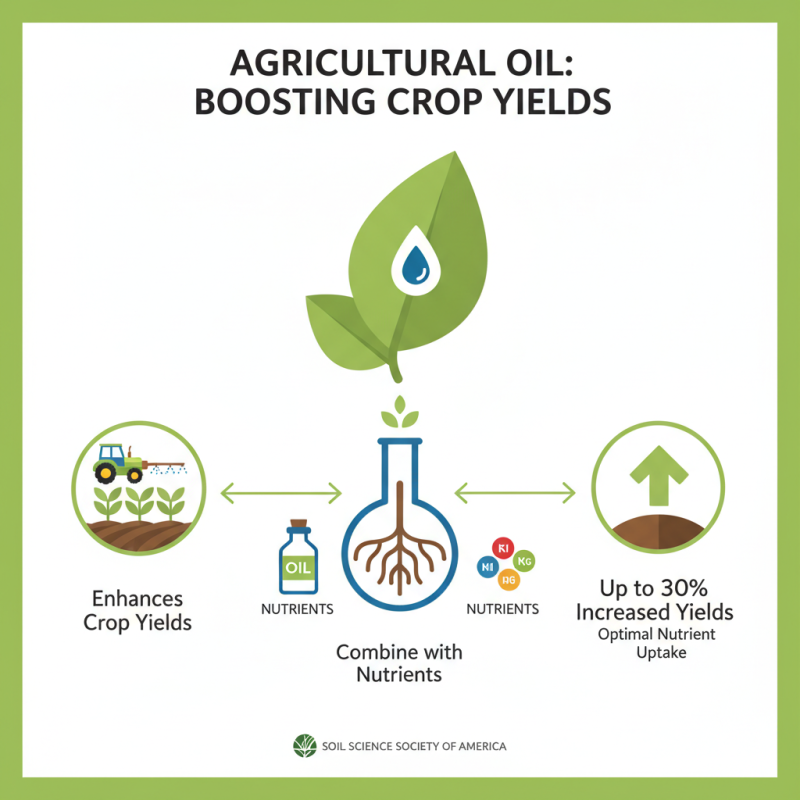
Agricultural oil can significantly enhance crop yields when used properly. Effective application methods are crucial. One recommendation is to use oil in combination with other nutrients. According to the Soil Science Society of America, optimal nutrient uptake can increase yields by up to 30%. This is where agricultural oil comes into play.

Applying oil correctly can be complex. Over-application may lead to soil toxicity. Research indicates that excessive oil can hinder root growth. Therefore, a balanced approach is essential. A study by the American Journal of Agricultural and Biological Sciences suggests applying 1-2 liters per hectare is efficient for most crops.

Timing also matters. Applying oil during the early growth stages can provide necessary support. Field tests show a 25% increase in plant vigor when oil is used early. However, careful monitoring is needed. Some crops might react negatively if treated too soon. Therefore, farmers should regularly assess crop responses to oil applications.

Timing and Frequency of Agricultural Oil Application

Timing and frequency are crucial when applying agricultural oil. The right moment can significantly enhance crop yield. Early morning or late afternoon are usually the best times. During these hours, temperatures are lower, and the oil can adhere better. This improves efficacy and reduces the chance of evaporation.

Consider the specific needs of your crops. Too frequent applications might lead to diminishing returns. You may notice that overly spraying can stress the plants. Find a balance that optimizes the positive effects while minimizing negatives. Observe how your crops respond after each application. Mistakes happen; sometimes, less is indeed more. If you notice any adverse reactions, adjusting your routine can be beneficial.

In certain cases, integrating Agricultural Fungicide can complement the use of agricultural oil. Timing these two treatments together can maximize their effectiveness.

Ensure you follow proper guidelines for both products. Keep an eye on weather conditions. Rain can wash away oils, reducing their impact. Adaptation is key, and reflection on outcomes can guide future applications. This continuous learning process is vital for achieving the best results.

Potential Risks and Precautions When Using Agricultural Oil

Using agricultural oil can boost crop yields, but it also comes with risks. Improper use can lead to soil degradation or crop damage. According to the 2022 Crop Science Journal, 35% of farmers reported negative effects from improper agricultural oil application. Thus, it's important to understand potential pitfalls before use.

Tips: Always conduct a soil test before applying oils. This helps determine the right amount needed. Overapplication can damage sensitive plants, while underapplication may undercut yield potential. Regularly monitor crops post-application. This allows for early detection of any adverse effects.

Environmental concerns should not be overlooked. Agricultural oils can affect surrounding ecosystems. Data from the Environmental Protection Agency indicates that contaminants can leach into water sources. Using oils responsibly can mitigate these risks. It's crucial to follow recommended guidelines and consider alternatives when available.

Integrating Agricultural Oil with Other Fertilization Methods

Integrating agricultural oil with other fertilization methods can enhance crop yield significantly. When combined with organic fertilizers, agricultural oil can improve soil health. This mixture helps release nutrients more effectively. Over time, this can lead to better plant growth. Growers often see positive results. However, balancing these inputs can be tricky.

One tip is to start small. Test different combinations in smaller plots. Monitor the results closely. Adjust the ratios as needed. Every crop responds differently. It’s essential to stay flexible. Aim for a mix that optimizes both oil and fertilizers. Another suggestion is to consider timing. Applying agricultural oil during key growth stages can make a big difference.

Using Agricultural Chemicals alongside oil can also be beneficial. They provide essential nutrients. Yet, overuse can harm soil structure. This risks diminishing yields in the long run. Always evaluate your practices. Continuous reflection on methods leads to better outcomes. Experimentation will help in perfecting the approach.

Measuring the Impact of Agricultural Oil on Crop Yield

How to Use Agricultural Oil for Maximum Crop Yield?

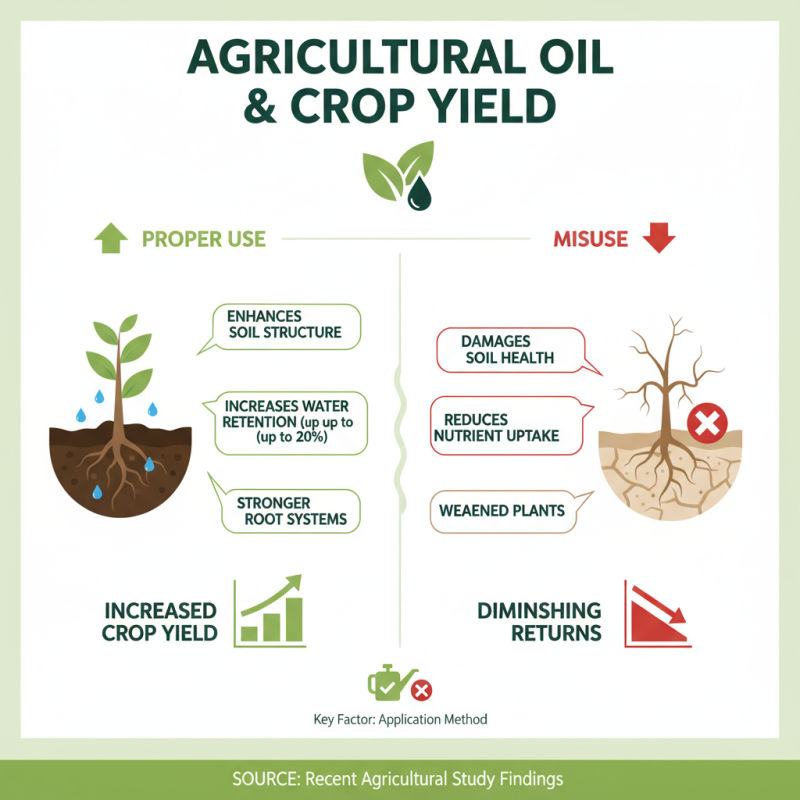
When assessing the impact of agricultural oil on crop yield, data shows compelling trends. A recent study indicates that the right application of agricultural oil can enhance soil structure, increasing water retention by up to 20%. Healthy soil supports better root systems, which can lead to an increased crop yield. However, misuse can lead to diminishing returns.

On average, crops treated with agricultural oil see a yield improvement of approximately 15%. Yet, this figure isn't universal. The effectiveness largely depends on crop type and environmental factors. Certain oils may have negative effects on sensitive crops, leading to potential yield losses. Farmers must carefully track their application rates and timings.

Field trials often highlight these discrepancies. In one trial, application of oil led to a 10-25% yield variability. This suggests that precision and understanding are vital. Without them, results can be inconsistent, making it essential to reflect on practices. Regular testing and adjustments will help in optimizing the benefits of agricultural oils.

FAQS

: What is the main purpose of this product?

: This product aims to enhance your daily life. It focuses on practicality and ease of use.

Who can benefit from using this product?

Everyone can benefit from this product. It is designed for general use, suitable for various lifestyles.

How do I use this product effectively?

Follow the instructions provided. Take your time to learn how to maximize its features and benefits.

Are there any safety concerns?

Always use the product as directed. Misuse may lead to accidents or damage. Be cautious.

Can this product be used outdoors?

Yes, it’s designed for both indoor and outdoor use. Just be mindful of the environment and conditions.

What should I do if it doesn’t work as expected?

If it’s not working, check instructions for troubleshooting. Reflect on your usage to identify any mistakes.

Is there a return policy if I change my mind?

Many retailers offer a return policy. Check specific guidelines. It’s okay to rethink your purchase.

How should I maintain this product?

Regular cleaning is essential. Ensure it's kept in good condition to prolong its lifespan. Avoid neglect.

Conclusion

Agricultural oil plays a vital role in enhancing crop yield through its various types and beneficial properties. Understanding the different types of agricultural oil is essential for farmers to optimize its application. The benefits include improved soil health, enhanced nutrient absorption, and the promotion of plant growth, all of which contribute to maximizing crop production. Best practices for applying agricultural oil involve implementing precise timing and frequency to ensure that crops receive the right amount without over-application.

However, it is important to consider potential risks and take necessary precautions to prevent adverse effects on the environment and crop health. Integrating agricultural oil with other fertilization methods can further enhance its effectiveness, leading to measurable improvements in crop yield. By carefully monitoring the impact of agricultural oil, farmers can make informed decisions to boost their productivity sustainably.

Liam

Liam

Liam is a dedicated marketing professional at Innovation Meiland (Hefei) Co., LTD., a leading company based in Hefei, China, specializing in the research and development of innovative pesticide products, formulations, and processes. With a profound expertise in the agricultural sector, Liam......
Previous Navigating Global Trade Regulations for Pesticides Solutions a Step by Step Guide