Leave Your Message

Blog

Top 10 Benefits and Risks of Glyphosate in Agriculture Explained

Top 10 Benefits and Risks of Glyphosate in Agriculture Explained

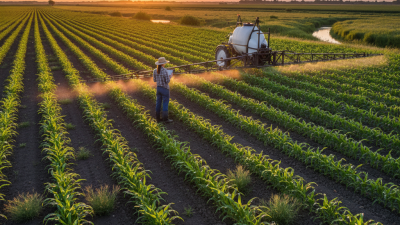
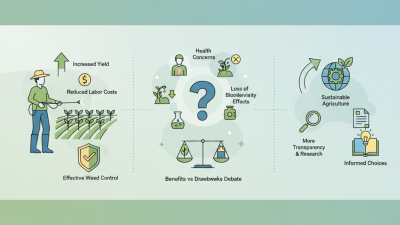
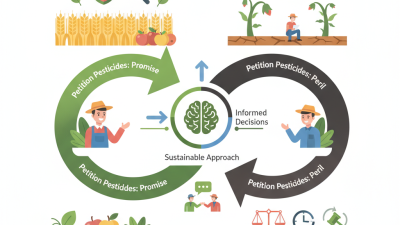
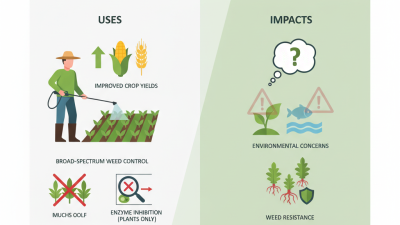
Glyphosate has really become a hot topic in agriculture lately, sparking plenty of debate among farmers, environmentalists, and scientists alike. It’s one of the most commonly used herbicides out there, and folks tend to praise it for how well it helps control weeds and boosts crop yields. But on the flip side, a lot of people are also raising concerns about potential risks—things like health impacts on humans and effects on the environment. Dr. Jane Smith, an agricultural scientist at the International Institute of Crop Improvement, puts it pretty well when she says, “Using glyphosate in farming is a bit of a double-edged sword; sure, it helps increase productivity, but we’ve got to stay alert about what it might mean in the long run.” There’s no denying that the benefits are pretty clear. Farmers often see higher yields and save time and money by reducing the need for manual labor. That’s a big plus, no doubt. But at the same time, there are some pretty serious concerns—like the rise of weeds that are resistant to glyphosate and the potential for harming biodiversity. As everyone involved in farming tries to balance these pros and cons, it’s really important to understand both sides if we want to make informed choices about using this herbicide. This article will break down the top ten advantages and risks associated with glyphosate, giving you a clear, straightforward look at what’s really going on so you can decide where you stand on all this.
Read more »
Liam By:Liam - December 14, 2025
2025 Top Effective Insecticides for Pest Control You Need to Know

2025 Top Effective Insecticides for Pest Control You Need to Know

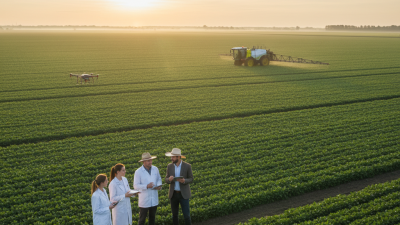
As pest control keeps evolving, it’s clear that the need for really effective solutions has never been more urgent. I mean, just look at the latest report from Research and Markets — it predicts the global insecticide market will grow at an annual rate of about 5.5% from 2021 all the way through 2026, reaching around $16 billion. That’s pretty huge, and honestly, it really highlights how important it is to develop new and smart strategies for managing pests, especially when it comes to using insecticides that can handle both agricultural pests and those pesky urban invaders. A big name in the industry, Dr. Michael C. Kauffman from Pest Management Solutions, stresses how vital innovation is in this field. He’s quoted saying, 'The future of pest control isn’t just about being effective — it’s gotta be sustainable too.' That means any insecticide worth its salt needs to do the job without harming the environment. Looking ahead to 2025, it’s crucial for pest control pros and farmers alike to stay updated on the top insecticides out there. Knowing what works today can mean the difference between quick fixes and long-term success. Getting a handle on which insecticides actually do the job against common pests can really make a difference — whether it’s protecting crops, safeguarding homes, or just improving everyday life. In this article, I’ll walk you through some of the latest breakthroughs and share insights into the most effective insecticides you should be aware of to keep pests at bay in the years to come.
Read more »
Liam By:Liam - December 5, 2025
2025 How to Choose Agro Chemicals for Maximum Crop Yield: Expert Insights & Data

2025 How to Choose Agro Chemicals for Maximum Crop Yield: Expert Insights & Data

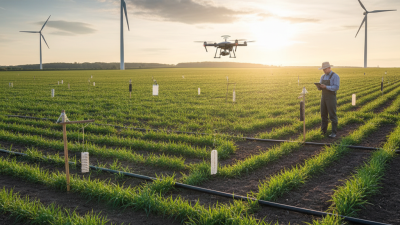
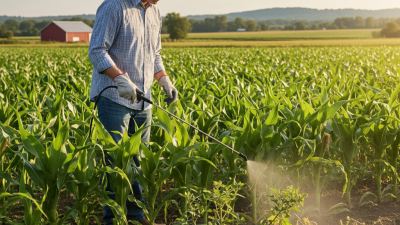
In today’s ever-changing world of farming, choosing the right agrochemicals is more important than ever if you want to get the best crops possible. I mean, as the Food and Agriculture Organization (FAO) points out, the world's food needs are expected to jump by around 70% by 2050. That’s a huge leap, and it really puts pressure on us to improve how we manage our crops. Agro chemicals — think fertilizers, herbicides, and insecticides — are pretty much at the heart of this effort. A recent market report by Mordor Intelligence even predicts that the agrochemical industry will grow at about 3.5% annually from 2021 to 2026. That just shows how vital they’ve become in modern farming. Farmers and agronomists face the tricky task of picking the right products for their specific crops and regional conditions. It’s a bit of a balancing act — getting it right can seriously boost yields, make farming more efficient, and bring in better profits. Several studies suggest that smart use of agro chemicals can bump up yields by, say, 30% to 50%. That’s a pretty big difference, not just for the wallet but also for the environment. So, understanding the basics of how and when to apply these chemicals, along with expert advice and good data, can really help farmers maximize their output without sacrificing sustainability. It’s all about working smarter, not just harder, in this game of agriculture.”
Read more »
Ethan By:Ethan - December 2, 2025
Why You Should Choose In Home Pesticides for Safe and Effective Pest Control Solutions

Why You Should Choose In Home Pesticides for Safe and Effective Pest Control Solutions

Lately, more and more homeowners are really starting to care about safer ways to keep pests under control. It’s no surprise—people want effective solutions that don’t put their health or the environment at risk. I came across a report from the National Pest Management Association (NPMA) that mentioned about 44% of homeowners are now leaning toward eco-friendly pest control methods. That’s quite a jump! In this shift, 'In Home Pesticides' have become a pretty important option. They offer a good balance—they work well when used properly and are much safer than traditional chemicals. A big part of why folks are going this route is because they’re more aware of the dangers tied to older pest control products. Many of those contain harsh chemicals that can pose health issues. The U.S. Environmental Protection Agency (EPA) also warns that improper use of pesticides can mess with indoor air quality and lead to health problems. So naturally, people are looking for other options—solutions that are made specifically for home use, which lower the risk of exposure but still do a good job handling pests. Plus, you can see how this fits into a larger trend of living more sustainably. Lots of new 'In Home Pesticides' now combine natural ingredients with innovative tech—they’re better for keeping pests away, but also safer for people and pets. If you look at the top five options for 2025, it’s clear these products aren’t just meeting the needs of eco-conscious consumers—they’re actually raising the bar for responsible pest control all around.
Read more »
Ethan By:Ethan - November 21, 2025